

Maddy summaryThis bill (A-1950) requires all general and special hospitals in New Jersey to adopt evidence-based protocols for early sepsis recognition and treatment. The protocols must include distinct guidelines for adult and pediatric patients, covering screening, treatment goals, infection source identification, and antibiotic timing, while specifying cases where treatment isn’t appropriate (e.g., palliative care). Hospitals must train relevant staff, submit protocols to the Department of Health for approval within 120 days of enactment, and annually report data to track adherence and mortality rates. These protocols aim to improve outcomes for sepsis patients, a condition that causes over 28% of deaths in New Jersey and is the eighth-leading cause of death in the state.
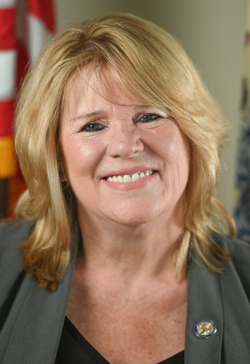
Asm. Carol Murphy
Sponsored bills
Maddy summaryThis bill (A4160) creates a new Chief Executive Nurse position within New Jersey's Department of Health (DOH). The role requires a master's degree in nursing or higher plus significant nursing experience, and the appointee must work full-time for the DOH Commissioner. The Chief Executive Nurse will assist the Commissioner on nursing matters, collect data on nursing practices, consult with nurses and healthcare facilities about regulations affecting patient care, and evaluate nursing trends. The position takes effect immediately upon enactment.
Maddy summaryThis bill creates a new Office of Clean Energy Equity within New Jersey's Board of Public Utilities to oversee clean energy programs specifically for overburdened communities. It mandates the establishment of onsite or community solar projects benefiting low-income households and requires the installation of energy storage systems in public facilities and low-income areas to improve grid resilience. The legislation also directs a minimum of 10 percent of the board's annual clean energy budget to this office, while requiring the integration of workforce training and community outreach into all related programs.
Maddy summaryThis bill increases the percentage of the federal earned income tax credit that New Jersey residents receive, raising the state match to 45% for tax years starting in 2026. It also expands eligibility by allowing adults aged 18 and older who are ineligible for the federal credit due to age requirements to still qualify for the state program. Additionally, the legislation permits married individuals who are victims of domestic abuse to file separately while still receiving the credit, removing the usual requirement to file jointly.
Maddy summaryThis bill establishes rules for how employers and public service providers in New Jersey can use artificial intelligence and electronic monitoring tools to make decisions about hiring, firing, and providing services. It specifically defines these technologies, such as systems that analyze data to predict job performance or determine eligibility for public benefits, and sets requirements for their use. The legislation mandates that these systems must be regularly audited by independent experts to ensure they do not discriminate and that workers have access to information about how these tools affect their employment or services. Additionally, the bill clarifies what constitutes biometric data and outlines protections for employees regarding surveillance and data collection practices.
Maddy summaryThis bill expands New Jersey's existing Senior Citizens and Disabled Residents Transportation Assistance Program to provide transportation services specifically for disabled veterans needing to attend medical appointments for service-connected conditions. It directs the Department of Military and Veterans' Affairs to work with counties to identify veterans' transportation needs and provides funding by redirecting 4% of casino revenue fund allocations (previously used for senior/disabled transport) to cover these new services. The program helps counties pay for expanded transit options, including door-to-door service or subsidized rides, for veterans certified with service-connected disabilities by the U.S. Department of Veterans Affairs. This directly affects disabled veterans in New Jersey who require transportation to VA-approved medical appointments but are not covered by existing travel reimbursement programs.
Maddy summaryThis bill (A 3318) prohibits third-party reservation services (like apps or websites) from advertising, listing, or selling reservations for restaurants without a written agreement with the restaurant. It directly affects restaurants (food service establishments) and third-party reservation platforms, requiring explicit permission before they can list a restaurant’s reservations. Violations carry daily civil penalties up to $500 per restaurant per day, and restaurants can sue for damages, attorney fees, or injunctions against unauthorized services. The law aims to prevent third parties from charging customers for reservations they cannot legally offer.
Maddy summaryThis bill requires businesses in New Jersey that receive financial aid from the Economic Development Authority to stop paying different wages to men and women for similar work. To comply, these companies must follow new rules and submit written proof to the Authority showing they do not discriminate based on sex when setting pay. The law defines gender discrimination as paying one sex less than the other for jobs requiring similar skill, effort, and responsibility. It applies to various business types, including corporations, partnerships, and non-profits, that receive loans, grants, or tax incentives from the state agency.
Maddy summaryThis bill creates a grant program within the Department of Environmental Protection to fund schools that collect plastic waste for upcycling into new furniture. It allocates $5 million to distribute proportional awards to eligible public and private K-12 schools based on the amount of plastic each school collects. The program will operate as a three-year pilot, allowing schools to purchase desks, chairs, and other furnishings made from recycled school-collected plastics.
Maddy summaryThis bill extends the cure period for small businesses facing certain non-criminal violations by 30 days, adding to the existing 60-day period. It applies to businesses with 50 or fewer full-time equivalent employees for first-time violations that don’t threaten public safety, employee income, or the environment. State agencies may grant this additional 30-day extension only if they determine denying it would conflict with equity and good conscience. The bill does not apply to labor law violations, criminal matters, or cases where federal rules require penalties. It also requires agencies to publicly report waived violations annually.