

Issue · Budget & Taxes
Budget & Taxes
Every budget & taxes bill, vote, and legislator stance in New Jersey, automatically classified by Maddy, our AI policy reader.
Total bills
2,000
2026-2027 Regular Session
Top supporter
Maureen Rowan
92% support rate
Top opponent
Erik Simonsen
14% support rate
Ranked legislators
10
5 support · 5 oppose
Key legislators
Who's moving budget & taxes in New Jersey
| Legislator | Party | Stance | Support rate | Decisive votes |
|---|---|---|---|---|
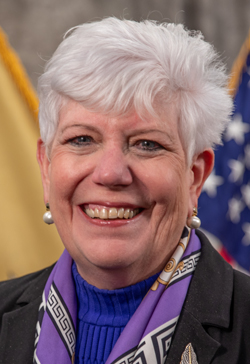 Maureen Rowan
House · District 2 | D | Strong + | 92% | 12 |
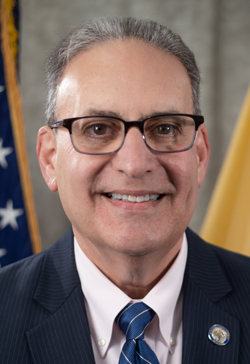 Roy Freiman
House · District 16 | D | Strong + | 91% | 22 |
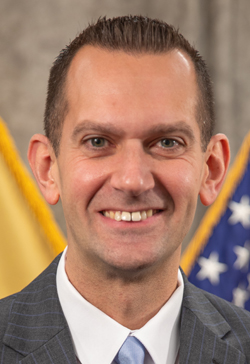 Anthony Angelozzi
House · District 8 | D | Strong + | 91% | 11 |
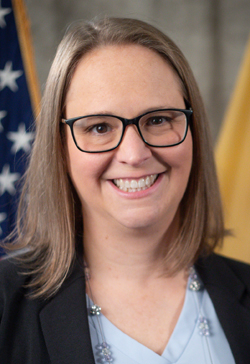 Andrea Katz
House · District 8 | D | Strong + | 89% | 9 |
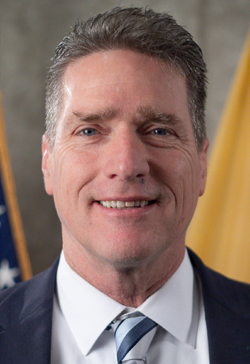 Dan Hutchison
House · District 4 | D | Strong + | 89% | 9 |
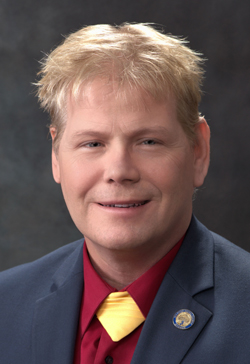 Erik Simonsen
House · District 1 | R | Strong − | 14% | 14 |
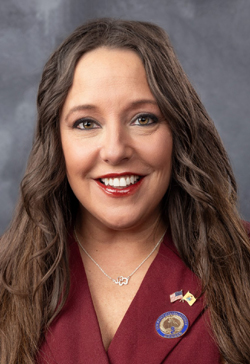 Dawn Fantasia
House · District 24 | R | Strong − | 15% | 20 |
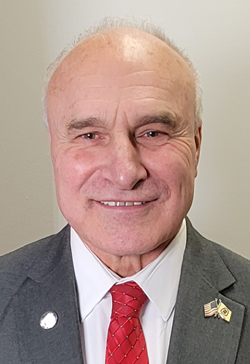 Owen Henry
Senate · District 12 | R | Strong − | 15% | 13 |
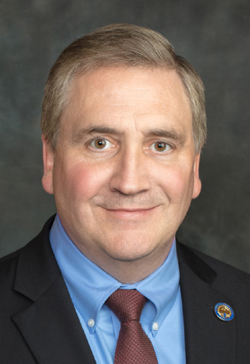 Brian Rumpf
House · District 9 | R | Strong − | 17% | 30 |
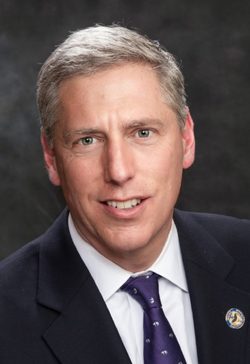 Erik Peterson
House · District 23 | R | Strong − | 17% | 18 |
Showing 1–10 of 2,000
bills
All budget & taxes bills
S 4624: Provides for reduced sales tax imposition on certain sales in certain Highlands Region Preservation Area municipalities.
Topics
✓ Budget & TaxesSupports Budget & TaxesThe bill provides a 50% reduction in state sales and use tax for businesses in specific municipalities, which aims to support economic stability by lowering the tax burden on local retailers.
✗ TechnologyOpposes TechnologyThe bill explicitly excludes digital products from a sales tax reduction, which could be seen as a disincentive or less favorable treatment for the technology sector compared to other goods.
Sub-Topics
Sales Tax
A 5439: Amends Fiscal Year 2027 annual appropriations act to require portion of funding for Working Class Families State Supplement to be used for outreach purposes.
Topics
✓ Budget & TaxesSupports Budget & TaxesThe bill ensures greater awareness and utilization of a program that provides free school breakfast and lunch, directly supporting working-class and middle-income families through state funding.
✓ EducationSupports EducationBill mandates outreach for a program providing free school breakfast and lunch, directly supporting educational access and student well-being by increasing awareness of available benefits.
✓ Labor & EmploymentSupports Labor & EmploymentBill mandates outreach for a state supplement program, increasing awareness and access to benefits (free school meals) for working-class families, which supports their economic well-being.
Sub-Topics
Student Health
A 5546: Establishes pilot program in EDA to provide grants to eligible community investment projects receiving certain investment contributions; appropriates $30 million.
Sub-Topics
State Budget
S 4615: Requires newborn screening for congenital cytomegalovirus; makes an appropriation.
Topics
✓ Budget & TaxesSupports Budget & TaxesThe bill makes an appropriation, directly addressing government spending and fiscal management to fund a new public health program.
✓ HealthcareSupports HealthcareThe bill mandates universal newborn screening for congenital cytomegalovirus, which directly advances public health programs and improves early detection and treatment for infants, thus strengthening healthcare services.
S 4568: Directs certain unclaimed electric and gas utility deposits in Unclaimed Utility Deposits Trust Fund and societal charge revenues be paid to Statewide nonprofit energy assistance organizations designated by BPU.
Topics
✓ Budget & TaxesSupports Budget & TaxesThe bill directs unclaimed utility deposits and societal charge revenues to nonprofit energy assistance organizations to prevent utility service termination, directly funding essential programs and providing financial relief.
✓ EnergySupports EnergyThe bill directs unclaimed utility deposits and societal charge revenues to nonprofit energy assistance organizations to help ratepayers maintain or restore utility service, directly supporting energy access for consumers.
A 5492: Establishes Office of Local Government Efficiency in DCA; appropriates $250,000 for program support.
Topics
✓ Budget & TaxesSupports Budget & TaxesThe bill establishes an office to help local governments reduce costs and lower property tax burdens, which directly supports the Budget & Taxes topic by promoting fiscal responsibility.
✓ EducationSupports EducationThe bill involves Rutgers University in developing guidance, which is a minor support for higher education, but the primary focus is on government efficiency.
✓ TechnologySupports TechnologyThe bill establishes an office to help local governments become more efficient, which could involve the adoption of new technologies. The online resource center also indicates a support for technology use in government efficiency efforts.
A 5508: Allows gross income tax deduction for certain losses for which federal theft loss deduction is allowed and authorizes penalty relief and installment payment agreements for certain victims of financial fraud.
Sub-Topics
Income Tax
A 5551: Provides corporation business tax and gross income tax credits to small businesses for portion of costs paid for advertisements with local news organizations.
S 4687: Establishes Basic Health Program for low-income individuals who are ineligible for Medicaid.
Topics
✓ Budget & TaxesSupports Budget & TaxesThe bill establishes a Basic Health Program, which would require state funding and federal waivers, thus directly impacting the state budget and fiscal management to expand healthcare access.
✓ HealthcareSupports HealthcareThe bill explicitly aims to establish a Basic Health Program for low-income individuals, expanding health coverage and access to healthcare services for those ineligible for Medicaid.