

Maddy summaryThis New Jersey bill (A2303) clarifies that consent to being photographed, filmed, or recorded in an intimate or sexual context does not automatically allow the disclosure of those images. It requires separate, explicit consent for image disclosure - meaning a person’s permission to take a photo isn’t considered consent to share it. The law directly affects individuals in private settings (like dressing rooms) and anyone who might share such images without clear, separate permission. The key change prevents implied consent for disclosure, making it a distinct offense to share images without fresh, specific authorization.
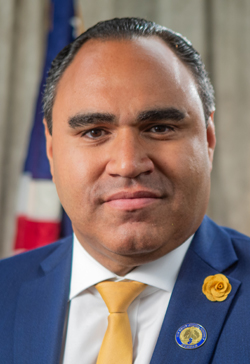
Asm. Gabe Rodriguez
Sponsored bills
Maddy summaryThis bill establishes a domestic violence prevention program within New Jersey's Department of Health to help healthcare providers identify and assist patients who may be victims of domestic violence. It requires the Commissioner of Health to develop mandatory training for all licensed healthcare professionals on screening patients during medical visits, recognizing warning signs, documenting concerns, and connecting patients with community resources. The program also mandates creating educational materials for both providers and patients about domestic violence risks, prevention, and available support services. The Department must collect data on the program's effectiveness and submit annual reports to the Governor and Legislature.
Maddy summaryThis bill (A 1166) requires the New Jersey State Police Superintendent to create a recovery leave policy for troopers who provide proof of pregnancy. It mandates at least eight weeks of continuous paid leave after childbirth, with full pay and benefits (not counted as sick leave or deducted from sick leave balances), and prohibits residency restrictions or integrity checks during this period. The policy must be posted on the State Police intranet, including required forms, FAQs, and contact information for inquiries. The bill was enacted into law (P.L.2025, c.259) and took effect immediately upon passage.
Maddy summaryThis bill allows New Jersey parents and guardians to deduct up to $1,200 from their taxable income for eligible school supply purchases made for students in public or private K-12 schools or higher education institutions. It specifically covers common items like notebooks, pencils, folders, calculators, paper, and other standard classroom materials. The deduction applies to purchases made during the taxable year and takes effect for years beginning after the bill's enactment date. This creates a direct tax benefit for families covering recurring school-related expenses.
Maddy summaryThis bill extends property tax exemptions for veterans with 100% service-connected disabilities retroactively to the date they were officially declared disabled by the U.S. Department of Veterans Affairs. It requires the state to reimburse municipalities for property taxes paid by eligible veterans during the retroactive period. The exemption applies to veterans’ primary residences and covers specific disabilities like paralysis, blindness, or amputations. It directly affects veterans who previously paid taxes they should have been exempt from under existing law.
Maddy summaryThis bill requires new residential buildings with more than two dwelling units using light frame construction (like wood framing) to meet strict fire safety standards. It mandates automatic sprinkler systems throughout the building, fire-resistant walls extending from foundation to attic (with a minimum two-hour rating), and fire-resistant floor assemblies between units. Builders must also implement a fire watch program during construction - either using trained personnel (qualified firefighters or officials) or equivalent technology - to monitor for emergencies after work hours until sprinkler inspections are complete. These rules directly affect developers, contractors, and builders constructing qualifying residential projects in New Jersey.
Maddy summaryThis bill establishes a pilot program in Union City, Trenton, and Camden to address open cockloft spaces between residential buildings. It appropriates $30 million to provide weatherization and fire safety improvements - specifically installing fire-rated separations and optional energy efficiency upgrades like insulation - free of charge to low- and moderate-income homeowners. Property owners not qualifying for free services may pay for the work through a 10-year property tax special assessment. The program directly affects residential building owners in these three cities, aiming to reduce energy costs, improve fire safety, and evaluate the effectiveness of weatherization measures in urban areas.
Maddy summaryThis bill requires pest inspections before demolishing buildings that have other structures within 10 feet on separate properties. Before a demolition permit is issued, owners must obtain certification from a health officer or certified pest control professional confirming no "severe pest presence" (like rats, mice, or roaches) exists that could spread to nearby buildings. If pests are found, they must be eliminated before certification is granted. This requirement does not apply if no nearby buildings exist or if immediate structural danger makes demolition urgent.
Maddy summaryThis bill allocates an additional $1 billion in state funding specifically for after-school recreation programs in urban areas. The funds, managed by the Commissioner of Education, will directly support urban communities by improving playgrounds, pools, and recreational infrastructure; reopening closed parks; and creating mentorship programs with computer science, home economics, and life skills education. The money is designated for physical facility upgrades and educational programming, not for general school operations.
Maddy summaryThis bill transfers the Division of Food and Nutrition from New Jersey's Department of Agriculture to the Department of Human Services, effective immediately. It appropriates $128.241 million from constitutionally dedicated corporation business tax revenues to the State Agriculture Development Committee for farmland preservation. The funds will pay for acquiring development easements or full ownership of farmland, provide grants to counties/municipalities (up to 80% of costs), and support non-profits (up to 50% of costs) for eligible farmland preservation projects under state laws. All preserved farmland acquired with these funds must include agricultural deed restrictions when resold or leased.