Issue · Healthcare

Healthcare

Every healthcare bill, vote, and legislator stance in New Jersey, automatically classified by Maddy, our AI policy reader.

Total bills
1,685
2026-2027 Regular Session
Top supporter
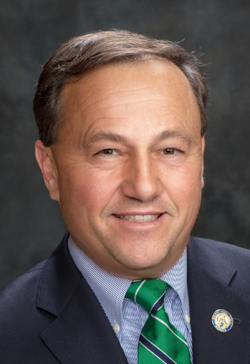
Maureen Rowan
100% support rate
Top opponent
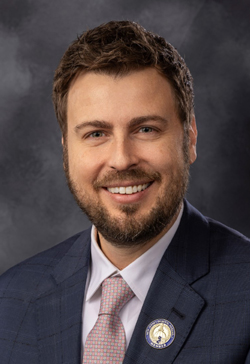
Bob Auth
6% support rate
Ranked legislators
10
5 support · 5 oppose
Key legislators

Who's moving healthcare in New Jersey

Legislators moving healthcare in New Jersey
Legislator Party Stance Support rate Decisive votes
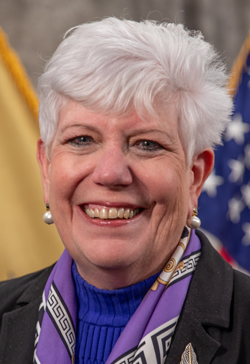
Maureen Rowan
Maureen Rowan House · District 2
D
Strong +
100% 15
Jim Beach
Jim Beach Senate · District 6
D
Strong +
100% 14
Marisa Sweeney
Marisa Sweeney House · District 25
D
Strong +
100% 14
Anthony Angelozzi
Anthony Angelozzi House · District 8
D
Strong +
100% 13
Dave Bailey
Dave Bailey House · District 3
D
Strong +
100% 13
Bob Auth
Bob Auth House · District 39
R
Strong −
6% 18
John DiMaio
John DiMaio House · District 23
R
Strong −
10% 10
Paul Kanitra
Paul Kanitra House · District 10
R
Strong −
10% 10
Erik Peterson
Erik Peterson House · District 23
R
Strong −
12% 17
Joe Pennacchio
Joe Pennacchio Senate · District 26
R
Strong −
13% 15
Showing 891–900 of 1,685 bills

All healthcare bills

in committee · New Jersey · General Assembly Feb 19, 2026

A 4438: Requires health insurance coverage of prenatal genetic test during first trimester of pregnancy.

This bill requires all health insurance plans in New Jersey to cover specific prenatal genetic tests during the first trimester of pregnancy. It applies to hospital service, medical service, health service, individual, and group insurance policies issued in the state. Covered tests include carrier screening (a blood or cheek swab test for inherited disorders), nuchal translucency screening, and chorionic villus sampling. Insurance plans must provide this coverage at the same level as other medical conditions, meaning no additional out-of-pocket costs for patients beyond standard coverage.
Sub-Topics Hospitals Insurance
in committee · New Jersey · General Assembly Feb 19, 2026

A 4178: Requires that certain medical education programs give priority to certain applicants.

This bill requires New Jersey teaching hospitals that receive state Medicaid funding for medical training programs to prioritize applicants who are New Jersey residents or enrolled at state-supported medical schools (Cooper, Rowan, Rutgers NJMS, or Rutgers RWJMS) for residency, fellowship, and third/fourth-year clerkship positions. Hospitals failing to comply face a 20% reduction in their Medicaid funding for these programs. The law applies specifically to hospitals licensed under New Jersey's health regulations that accept state funding for graduate medical education. It aims to increase local training opportunities for New Jersey residents and students at public medical schools.
Sub-Topics Medicaid
in committee · New Jersey · General Assembly Jan 13, 2026

A 2230: Increases income threshold limit for certain Medicaid eligibility groups.

This bill raises the income threshold for Medicaid eligibility under New Jersey's medically needy program from 133.3% to 138% of the federal poverty level. It directly affects pregnant women, children under 21, seniors aged 65+, and blind or disabled individuals who need medical care but have incomes slightly above the previous limit. The key change adjusts the income calculation method used to determine eligibility, allowing more low-income residents to qualify for coverage. This policy update aligns with federal Medicaid guidelines and simplifies the eligibility process for affected groups. The bill amends existing Medicaid statutes without changing program funding or administrative structure.
Sub-Topics Medicaid
in committee · New Jersey · General Assembly Jan 13, 2026

A 2844: Requires regional diagnostic and treatment center for child abuse and neglect to establish mobile team to respond to certain hospital requests to perform forensic child abuse examinations.

This bill requires New Jersey's four regional child abuse and neglect treatment centers to establish 24/7 mobile teams that respond to hospital requests for forensic examinations of pediatric patients under 13. Hospitals must contact their county's center when a child meets specific criteria: (1) referred by a school nurse, pediatrician, or caregiver for suspected abuse, or (2) presenting injuries inconsistent with their explanation or developmental level. The mobile teams will perform examinations at the hospital, and the state will appropriate funds to support this service. Centers must also develop hospital contact protocols and train staff on abuse identification.
in committee · New Jersey · General Assembly Jan 13, 2026

A 3332: Requires Medicaid coverage of social day care services for senior citizens.

This bill requires New Jersey's Medicaid program to cover social adult day care services for seniors aged 60 and older who meet the clinical, income, and asset requirements for the state's Medicaid Managed Long Term Services and Supports (MLTSS) program. It expands current coverage - previously limited to MLTSS enrollees - by mandating Medicaid coverage regardless of MLTSS enrollment. Social adult day care is defined as non-medical, community-based care provided during daytime hours when caregivers are unavailable, designed to support seniors with functional impairments. The bill also requires the state to seek federal Medicaid waivers for funding, with implementation pending federal approval.
Sub-Topics Medicaid
in committee · New Jersey · General Assembly Jan 13, 2026

A 731: Provides gross income tax deduction for senior citizens for certain medical expenses for in-home care or care in assisted living and long-term care facilities and funeral expenses.

This bill allows New Jersey taxpayers aged 62 or older, or who are blind or disabled, to claim a gross income tax deduction for qualified long-term care expenses (up to $50,000 per year) for themselves, their spouse, or disabled dependents. These expenses cover in-home care, assisted living, and long-term care facility services that are medically necessary and prescribed by a licensed health care provider. It also provides a separate deduction (up to $50,000) for unreimbursed funeral expenses of a spouse or disabled dependent who was 62 or older, blind, or disabled at death. The deduction excludes expenses already covered under existing medical expense tax rules and requires the costs to be unreimbursed.
in committee · New Jersey · General Assembly Jan 13, 2026

A 2864: Establishes "New Jersey Right to Try-Plus Act" permitting terminally ill patients access to certain investigational and off-label treatments.

This bill permits terminally ill New Jersey patients (with a 12-month life expectancy) to access investigational drugs, biological products, or devices (post-phase 1 clinical trials) and FDA-approved treatments used off-label for their condition. Patients must consult with a licensed NJ physician, consider all FDA-approved options first, and provide written consent. Manufacturers may supply these treatments without charge or require patient payment for manufacturing costs, but are not required to provide them. Hospitals must administer FDA-approved drugs off-label upon patient request, and participating physicians receive liability protection for adverse outcomes.
in committee · New Jersey · General Assembly Jan 13, 2026

A 996: Requires health insurers to provide coverage for testing for suspected dyslexia.

This bill requires all health insurance plans in New Jersey (including individual, group, and small employer plans) to cover comprehensive neuropsychological testing for suspected dyslexia. It mandates that insurers cannot exclude this coverage, ensuring testing for diagnosis and related psychological/emotional assessments is provided at the same level as other medical conditions. The law applies to all covered health insurance contracts issued or renewed in New Jersey after its effective date, directly affecting patients seeking dyslexia evaluations and insurers offering these plans. It does not create new funding but requires existing insurance policies to include this specific service. The bill is currently pending before the Assembly Financial Institutions and Insurance Committee.
Sub-Topics Insurance
in committee · New Jersey · General Assembly Jan 13, 2026

A 2201: Authorizes health care professionals to engage in the use of remote patient monitoring devices; requires health care insurance coverage by certain insurers for remote patient monitoring devices.

This New Jersey bill (A-2201) requires health insurance companies to cover remote patient monitoring devices - like those tracking vital signs - from patients' homes on the same terms as in-person medical visits. It mandates that insurers pay the same reimbursement rate for remote monitoring as they would for in-person care and cannot charge higher deductibles, copays, or coinsurance for these services. The law also prohibits insurers from restricting how providers use technology (e.g., audio-only calls) or limiting coverage for routine remote check-ins, as long as care standards match in-person services. This directly affects health insurers, patients using remote monitoring, and healthcare providers delivering these services in New Jersey.
Sub-Topics Insurance Telehealth
in committee · New Jersey · General Assembly Jan 13, 2026

A 721: Enacts "Anthony Maruca's Law"; requires law enforcement officers to carry epinephrine.

This bill, "Anthony Maruca's Law," requires New Jersey law enforcement officers to complete training on administering epinephrine auto-injectors and carry one device during official duties. It mandates that police departments provide each officer with a one-dose epinephrine auto-injector device, to be stored in patrol vehicles or medical supply kits per health department guidelines. The law directly affects all sworn law enforcement officers in New Jersey who perform duties requiring emergency response. It creates a concrete policy change by ensuring officers have immediate access to epinephrine for anaphylaxis emergencies during their work.
Showing 891 to 900 of 1,685 bills
Previous 1 … 89 90 91 … 169 Next