

Maddy summaryHB 1415 creates a special veterans license plate for New Hampshire residents, requiring a $60 initial fee (in addition to standard registration costs) and $30 annual renewal fees. Revenue from these plates funds a dedicated veterans' support program, with up to $50,000 annually allocated to promote the plate program through the Department of Military Affairs and Veteran Services. The remaining funds are distributed to initiatives prioritized by the governor and state veterans council to support veterans, service members, and their families. The fund is nonlapsing, meaning it carries over year to year without needing annual reauthorization.
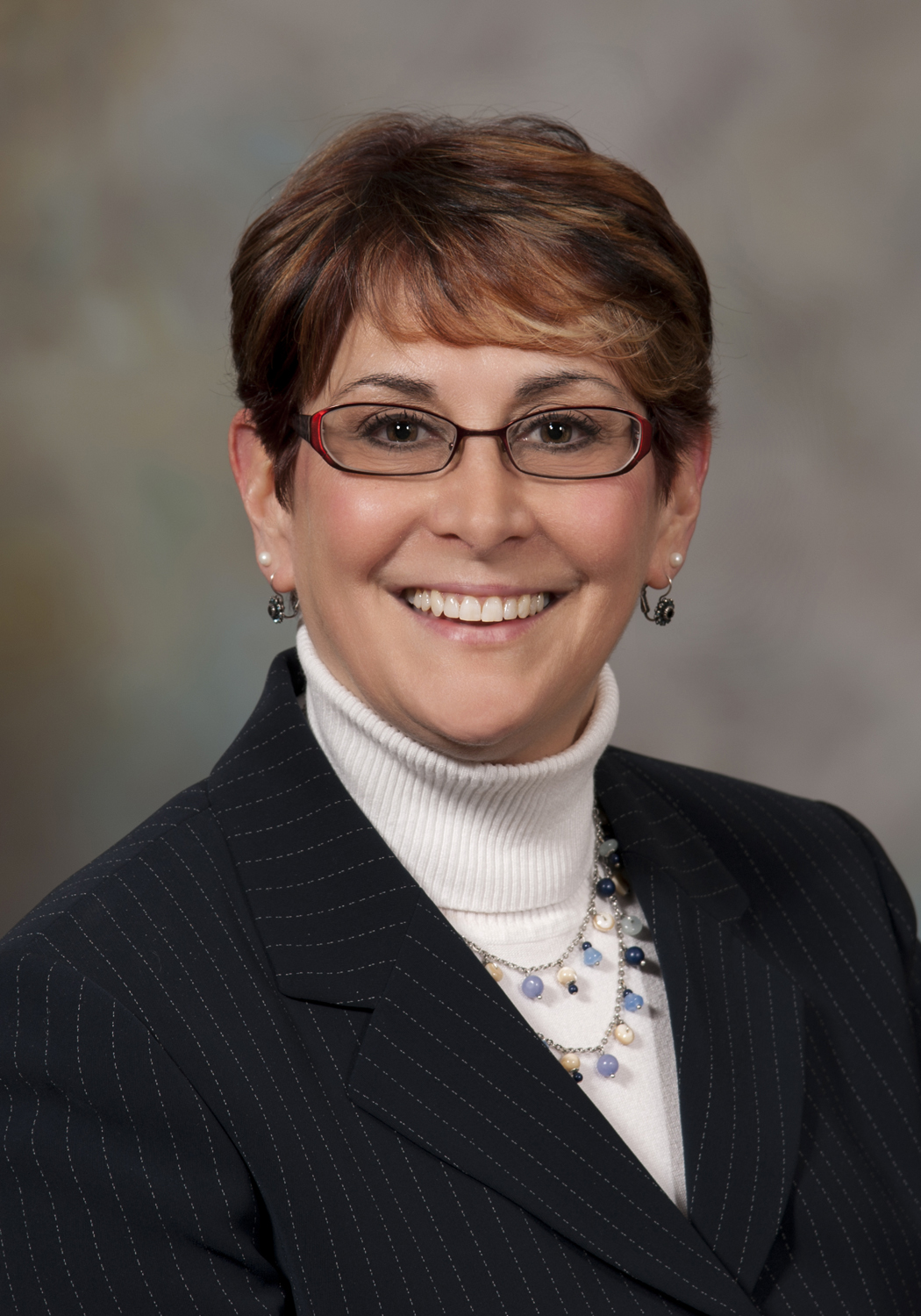
Sen. Regina Birdsell
Sponsored bills
Maddy summaryHB 1348 allows New Hampshire law enforcement agencies to legally possess portions of human remains (such as bone or tissue) for training cadaver detection dogs, but only with written permission from the deceased's next of kin or a prior donation document. The bill requires agencies to document consent, return all remains to funeral homes after training, and follow strict handling protocols. It establishes oversight by the Department of Safety to ensure respectful treatment and compliance, with penalties for violations. The law directly affects law enforcement agencies and funeral homes handling remains, while prioritizing ethical standards in training practices.
Maddy summarySB 534 requires campaign committees supporting constitutional amendments or local ballot questions to certify under penalty of perjury that no foreign national funded their activities or influenced decisions. It mandates that committees return foreign contributions within 10 business days and disgorge funds if violations are found, with committee leaders held personally liable. The bill also prohibits foreign nationals from directing or soliciting contributions for these campaigns. These rules apply to all committees and independent spenders involved in covered ballot measures, with records maintained for four years and certifications published online.
Maddy summaryHB 1384 requires commercial litigation financiers to disclose certain information about their funding agreements for civil lawsuits. The bill defines "commercial litigation financing agreements" as third-party funding arrangements that create a financial interest in case proceeds, while excluding contingency fee agreements between lawyers and clients, health insurance arrangements, and standard loans. It also restricts funding from "foreign entities of concern" as defined by U.S. sanctions lists. The legislation aims to increase transparency around who is financing lawsuits and under what terms. This would affect law firms, claimants, and third-party financiers entering into such agreements.
Maddy summaryHB 1651 establishes sexual assault protective orders, allowing survivors to file civil petitions in circuit court to obtain court-issued orders for their safety. These orders, modeled after existing protective orders under RSA 173-B, can last up to one year initially and be extended for up to five years with court approval, requiring annual safety reviews. The bill also updates survivors' rights by guaranteeing free preservation of sexual assault evidence kits for up to 20 years (or the statute of limitations, whichever is longer), disclosure of kit results without compromising investigations, and written information about kit handling procedures. It directly affects sexual assault survivors and defendants facing these orders, while clarifying that attorneys may contact survivors under strict conditions for legitimate legal purposes.
Maddy summaryHB 1195 requires New Hampshire municipalities to allow child care centers (such as group centers, preschools, and school-age programs) to operate on commercially zoned land without special permits, provided they meet state licensing standards set by the Department of Health and Human Services. The bill defines "child care center" to exclude family day care homes (run from residences) and specifies that municipalities cannot impose additional zoning rules beyond state requirements. It also exempts centers from certain building restrictions when converting existing structures (without altering size) and permits local restrictions in industrial zones if child care conflicts with existing uses. The law takes effect July 1, 2026.
Maddy summaryHB 1433 creates a tax credit for New Hampshire businesses that create or expand child care programs. Businesses can claim a credit equal to 50% of qualifying expenses for building new facilities or expanding existing ones by at least 12 child care seats not available before January 1, 2027. The credit applies against business profits or enterprise taxes and can be carried forward for up to four years if not fully used in a given year. To qualify, businesses must create or expand licensed child care seats (either directly or through third parties) and submit an application to the Department of Revenue Administration.
Maddy summarySB 670 establishes a Developmental Services Oversight Commission to monitor health and safety for individuals receiving home and community-based developmental services in New Hampshire. The commission, composed of 15 members including legislative representatives, agency staff, service providers, parents, and people receiving services, will review data from the Department of Health and Human Services and make recommendations to improve outcomes. Key duties include analyzing satisfaction surveys, training requirements, licensing data, and waiver performance measures, with annual reports due starting November 2026. The bill also creates a new $52,000 position to support the commission and amends related reporting requirements for vulnerable adult fatality reviews and child deaths in residential care.
Maddy summarySB 569 requires hearing officers in New Hampshire's Department of Labor to be licensed attorneys with relevant adjudicative experience. This applies specifically to officers handling workers' compensation cases. The bill mandates that hearing officers must be in good standing with the bar, have experience conducting administrative hearings, and complete 15 hours of annual continuing education plus 15 hours of training with the attorney general's office. It also requires the commissioner to establish a code of ethics for these officers.
Maddy summarySB 453 allows advanced practice registered nurses and physician associates to certify two specific medical needs currently only permitted for physicians. It extends vehicle equipment waivers for people with disabilities from 2 to 4 years when such nurses or associates certify "lasting medical necessity." It also permits these professionals to exempt children from certain immunizations if they certify that a specific vaccine could harm the child’s health. These changes update existing laws (RSA 266:61-a and RSA 141-C:20-c) to expand who can make these certifications, directly affecting disabled drivers seeking vehicle modifications and parents navigating school immunization requirements.