

Maddy summaryThis bill allows New Hampshire school districts to partner with external healthcare providers to create on-site health centers that offer medical services to students beyond what school nurses currently provide. To establish these centers, districts must contract with a separate legal entity while ensuring that school nurses continue to handle first aid and emergency care, and that student participation remains entirely voluntary without any incentives. The legislation also mandates that parents or guardians must give written informed consent for unemancipated minors to receive care, and it requires that parents be present during appointments for these students. Additionally, the bill restricts schools from accessing student health records unless required by law and mandates that all health records be kept in compliance with federal privacy standards.
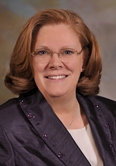
Sen. Sharon Carson
Sponsored bills
Maddy summaryThis bill prohibits the use of dogs to hunt coyotes in New Hampshire. It directly affects hunters by adding a new rule that makes hounding coyotes with dogs illegal. The law takes effect immediately upon passage and requires no significant funding.
Maddy summaryThis bill allocates $3 million to the Lead Paint Hazard Remediation Fund to help address lead paint dangers in homes. The money will come from either leftover federal funds from the American Rescue Plan Act or the state's Drinking Water and Groundwater Trust Fund, depending on what is available by September 2024. The Governor's office for emergency relief and recovery will decide which source to use, and the Housing Finance Authority will manage the spending. This act takes effect on July 1, 2024.
Maddy summarySB 342 establishes a dedicated School Construction Fund to provide annual funding for new school building projects starting in fiscal year 2025. The bill creates a tiered funding schedule that begins at $30 million and increases by $5 million each year until reaching a cap of $80 million, which is then maintained annually. This money is restricted to new construction projects authorized on or after July 1, 2025, and must be used for facilities that serve as instructional spaces for at least 20 years. Additionally, the legislation requires the Department of Education to develop a 10-year plan to prioritize and manage future school facility needs.
Maddy summaryThis bill allocates $250,000 from the state's general fund to the Department of Business and Economic Affairs to hire and train small business development counselors specifically for rural areas of New Hampshire. The funds are designated for the fiscal year ending June 30, 2024, and are authorized to remain available until June 30, 2026, allowing the department to draw on the money over that period. The department will use these resources to support existing small business development centers by expanding their staff with counselors trained to assist rural entrepreneurs.
Maddy summaryThis bill would restrict how alcohol is packaged and marketed in New Hampshire to prevent products from appealing to minors or confusing consumers with non-alcohol items. It prohibits using cartoons, toys, or other child-friendly imagery on alcohol packaging and bans designs that mimic trademarked non-alcohol products like logos or brand sounds. Additionally, the bill requires that coupons for alcohol products clearly state they are only for adults of legal drinking age. The state liquor commission would be responsible for creating rules to enforce these new restrictions, and a specific appeal process has been established for disputes regarding these decisions.
Maddy summaryThis bill updates the rules governing how the Office of Professional Licensure and Certification manages licenses and administrative regulations. It extends the validity of professional licenses to two years and ensures that timely renewal applications keep a license active until the office makes a final decision. The legislation also requires agencies to publish proposed rules online, file interim rules within specific timeframes, and provide detailed reports explaining how public comments were addressed. Additionally, it clarifies the legal process for challenging expired rules in court and mandates that agencies refund any fines or fees collected under invalid regulations.
Maddy summaryHB 1005 proposes creating a new Judicial Training Coordinator position to oversee professional development for judges and court staff. The bill mandates that all new judges and non-judicial employees hired after July 1, 2025, complete an initial orientation covering court procedures, legal skills, and specific topics like ethics and implicit bias. It also establishes annual continuing education requirements, such as 24 hours for supreme and superior court justices and 12 to 16 hours for various clerks and administrative roles. Although the legislation outlines these specific training hours and responsibilities, the bill was ultimately laid on the table and did not become law.
Maddy summaryThis bill proposes adding a new article to the state constitution that grants parents a fundamental right and responsibility to direct the upbringing, education, and care of their minor children. It establishes that the state or local governments cannot interfere with these parental rights unless they prove a compelling interest of the highest order that cannot be served any other way. The measure includes a specific exception stating that this right does not apply to parental actions that would end a child's life or cause physical harm to them. Rather than passing into law directly, the bill sets up a process to put this constitutional amendment to a vote of the qualified voters in November 2024.
Maddy summaryThis bill proposes to double the annual amount of money taken from the real estate transfer tax and sent to the affordable housing fund, increasing the contribution from $5 million to $10 million. The change would directly affect the state's budget by shifting $5 million less from the general fund and education trust fund to the affordable housing fund each year starting July 1, 2025. The legislation does not alter who pays the tax or how the fund is used, but rather changes the specific portion of tax revenue that must be allocated to housing projects.