Issue · Environment

Environment

Every environment bill, vote, and legislator stance in New Hampshire, automatically classified by Maddy, our AI policy reader.

Total bills
67
119th Congress
Top supporter
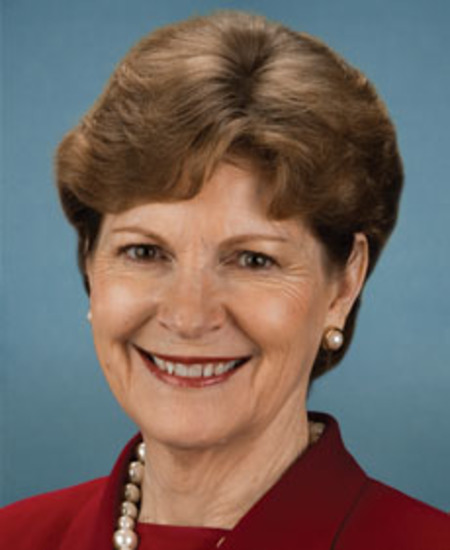
Jeanne Shaheen
78% support rate
Top opponent
-
no data yet
Ranked legislators
4
4 support · 0 oppose
Key legislators

Who's moving environment in New Hampshire

Legislators moving environment in New Hampshire
Legislator Party Stance Support rate Votes
Jeanne Shaheen
Jeanne Shaheen Senate
D
Support
78% 232
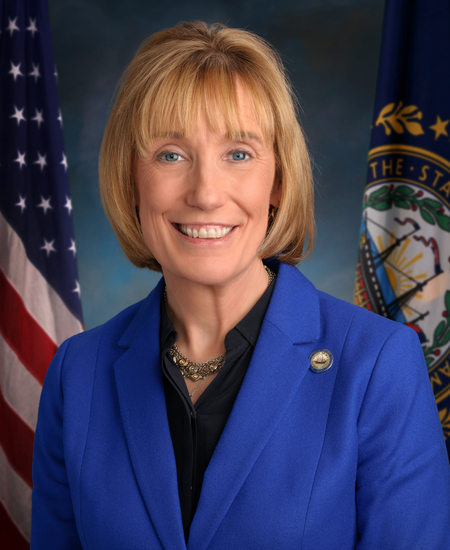
Margaret Wood Hassan
Margaret Wood Hassan Senate
D
Support
76% 231
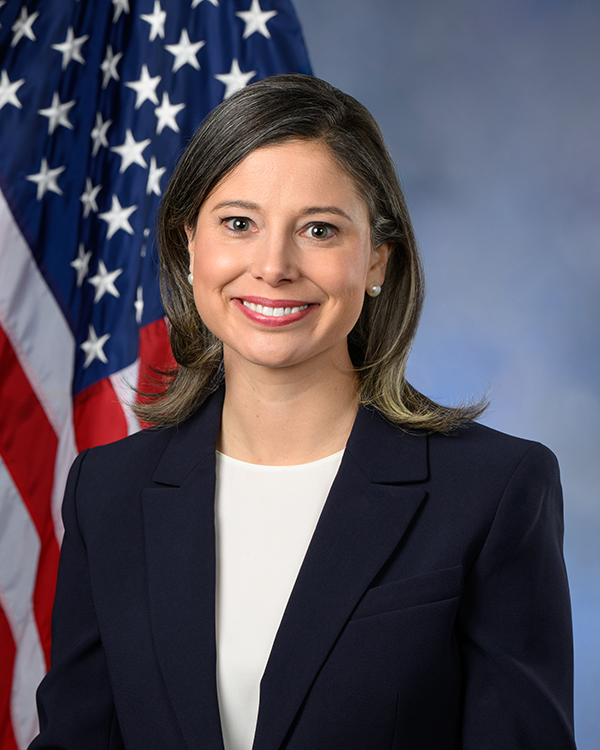
Maggie Goodlander
Maggie Goodlander House · District 2
D
Support
66% 301
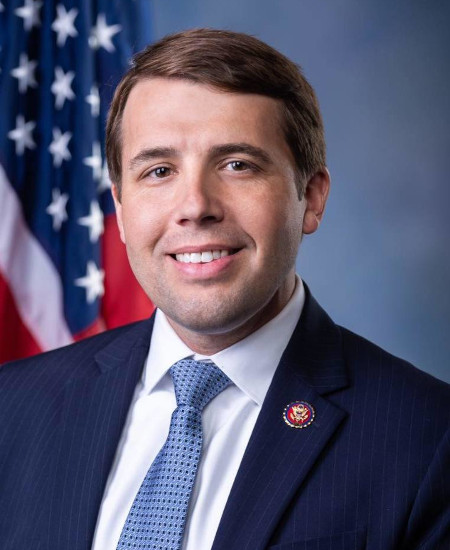
Chris Pappas
Chris Pappas House · District 1
D
Support
66% 304
Showing 1–10 of 67 bills

All environment bills

in committee · United States · House Sep 10, 2026

HRES 1524: Expressing support for the designation of the week of September 19 through September 26, 2026, as "National Estuaries Week".

This House resolution expresses support for designating the week of September 19 through September 26, 2026, as National Estuaries Week to raise public awareness about the importance of these coastal ecosystems. The bill highlights that estuaries support a significant portion of the U.S. population and economy while providing critical services such as flood control, water filtration, and habitat for fish and wildlife. It acknowledges ongoing threats to estuary health, including pollution and sea level changes, and recognizes the efforts of government agencies, organizations, and individuals working to protect and restore these areas.
in committee · United States · House Aug 13, 2026

HR 10083: Water Technology and Resilience Reauthorization Act

The Water Technology and Resilience Reauthorization Act extends the funding authorization for advanced drinking water technologies from 2027 through 2031. This change directly affects federal agencies responsible for implementing these programs by providing continued financial support for five additional years. The bill amends the Safe Drinking Water Act to ensure that resources remain available for developing and deploying new water treatment methods.
Sub-Topics Drinking Water
in committee · United States · Senate Jul 15, 2026

S 4992: A bill to require the Secretary of the Army to issue guidance relating to the review of applications for alteration or temporary or permanent occupation or use of certain hydropower projects, and for other purposes.

This bill requires the Secretary of the Army to create clear guidelines for reviewing applications to alter or use certain non-Federal hydropower projects. The new rules mandate a standardized checklist and specific criteria to determine if an application is complete, focusing only on whether required documents are present and formatted correctly. Under these procedures, reviewers are prohibited from conducting detailed technical analyses or evaluating the engineering design of the projects. The bill aims to streamline the administrative process by separating the initial completeness check from later technical evaluations.
in committee · United States · House Jul 22, 2026

HR 9827: Wildfire Reduction Market Expansion Act of 2026

The Wildfire Reduction Market Expansion Act of 2026 updates the Clean Air Act to broaden the definition of renewable biomass eligible for carbon credits. It specifically allows materials from forest management, such as slash, storm debris, and wood residuals, to be counted as renewable fuel if they come from sustainably managed lands or public forests designated for fuel reduction. The bill also includes vegetation cleared from defensible space around buildings and from wildfire risk reduction projects in the wildland-urban interface. By clarifying these categories and establishing certification requirements, the legislation aims to increase the supply of biomass available for generating renewable energy credits.
in committee · United States · Senate Jul 22, 2026

S 5087: Wildfire Reduction Market Expansion Act of 2026

The Wildfire Reduction Market Expansion Act of 2026 updates the Clean Air Act to broaden the definition of renewable biomass eligible for carbon credits. It specifically includes wood and paper residuals from manufacturing, as well as trees and shrubs from certified non-Federal lands and public forests used for fuel reduction or ecological restoration. The bill also allows vegetation cleared from defensible space around buildings and wildfire risk reduction projects in the wildland-urban interface to be counted. These changes require specific certifications from landowners or federal agencies to verify that the materials come from sustainable sources and are not suitable for use as sawlogs.
Sub-Topics Air Quality Forestry
in committee · United States · House Jul 23, 2026

HR 9894: Investing in State Energy Act of 2026

The Investing in State Energy Act of 2026 requires federal agencies to distribute funds and guidance for energy conservation programs within 30 to 60 days of receiving state plans. It specifically affects States, Indian Tribes, and other direct recipients by mandating faster payment schedules and earlier publication of funding allocations. The bill also authorizes an additional $500 million in funding for these programs over five years, starting in fiscal year 2027. These changes aim to streamline how federal energy assistance is delivered to local governments and tribes.
in committee · United States · House Jul 9, 2026

HR 9631: Bear Poaching Elimination Act

The Bear Poaching Elimination Act prohibits the import, export, and interstate trade of bear internal organs and products, aiming to stop the commercial demand that drives poaching. This law specifically targets items like gallbladders used in traditional medicine and cosmetics, while explicitly excluding blood and brains from the ban. The legislation applies to individuals, businesses, and government entities, with exceptions only for wildlife law enforcement and specific Native American traditional rituals. Violations can result in criminal prison time, civil fines up to $25,000 per offense, and the seizure of the illegal items. The bill also requires the Secretary of the Interior to continue international discussions to reduce the global trade in bear parts.
Sub-Topics Wildlife
in committee · United States · Senate Jun 24, 2026

S 4911: Investing in State Energy Act of 2026

The Investing in State Energy Act of 2026 requires the federal government to provide application guidance and publish funding allocations for state energy programs within 60 days of funds becoming available. Additionally, the bill mandates that financial assistance payments be sent to states and tribes within 30 days after they submit complete conservation plans. This legislation also increases funding for state energy initiatives by adding $100 million for each of the fiscal years from 2027 through 2031. These changes aim to streamline the process for states and tribes to receive and utilize federal energy conservation funds more quickly.
in committee · United States · House Jun 9, 2026

HR 9226: Connecticut River Watershed Partnership Act

This bill establishes a new partnership program to coordinate conservation efforts across the five-state Connecticut River watershed, involving federal, state, tribal, and local groups. It creates a voluntary grant system that provides up to 90 percent federal funding for projects focused on restoring fish and wildlife habitats, improving water quality, and supporting environmental justice communities. The legislation also mandates regular reporting to Congress and authorizes funding from 2026 to 2030 to support these restoration activities.
in committee · United States · House Jun 24, 2026

HR 9250: Great American Outdoors Act 250

This bill redesignates the existing National Parks and Public Land Legacy Restoration Fund as the America's Legacy Restoration Fund to address deferred maintenance on federal lands. It directs revenue from recreation fees and a portion of energy development income into the fund, which must be used primarily for repairing critical infrastructure like roads, trails, and buildings managed by agencies such as the National Park Service and the Forest Service. The legislation establishes strict rules requiring that most funds go toward non-transportation projects, mandates transparency through public dashboards tracking project status, and sets aside a small percentage for matching private donations. Additionally, the bill increases entrance fees for foreign visitors to ensure they contribute to the fund, while prohibiting the use of these specific funds for land acquisition or employee bonuses.
Showing 1 to 10 of 67 bills
1 2 3 7 Next