Issue · Healthcare

Healthcare

Every healthcare bill, vote, and legislator stance in Minnesota, automatically classified by Maddy, our AI policy reader.

Total bills
634
119th Congress
Top supporter
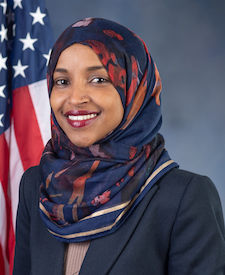
Ilhan Omar
67% support rate
Top opponent
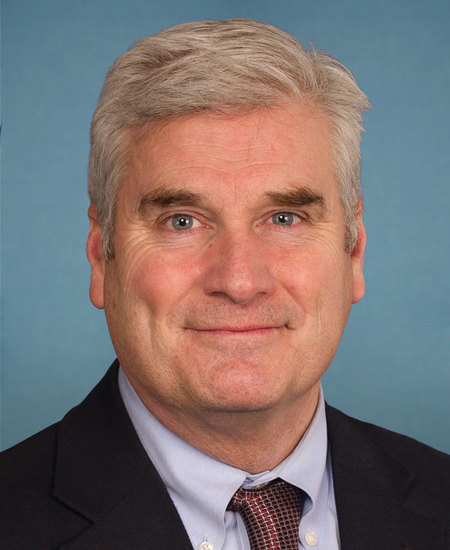
Tom Emmer
33% support rate
Ranked legislators
9
5 support · 4 oppose
Key legislators

Who's moving healthcare in Minnesota

Legislators moving healthcare in Minnesota
Legislator Party Stance Support rate Votes
Ilhan Omar
Ilhan Omar House · District 5
D
Support
67% 207
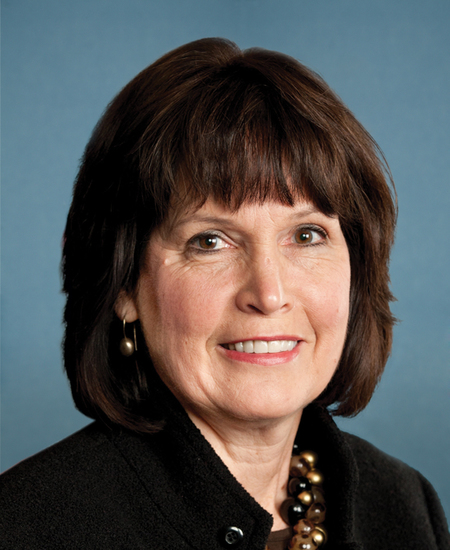
Betty McCollum
Betty McCollum House · District 4
D
Support
61% 210
Amy Klobuchar
Amy Klobuchar Senate
D
Mixed
59% 223
Tina Smith
Tina Smith Senate
D
Mixed
59% 222
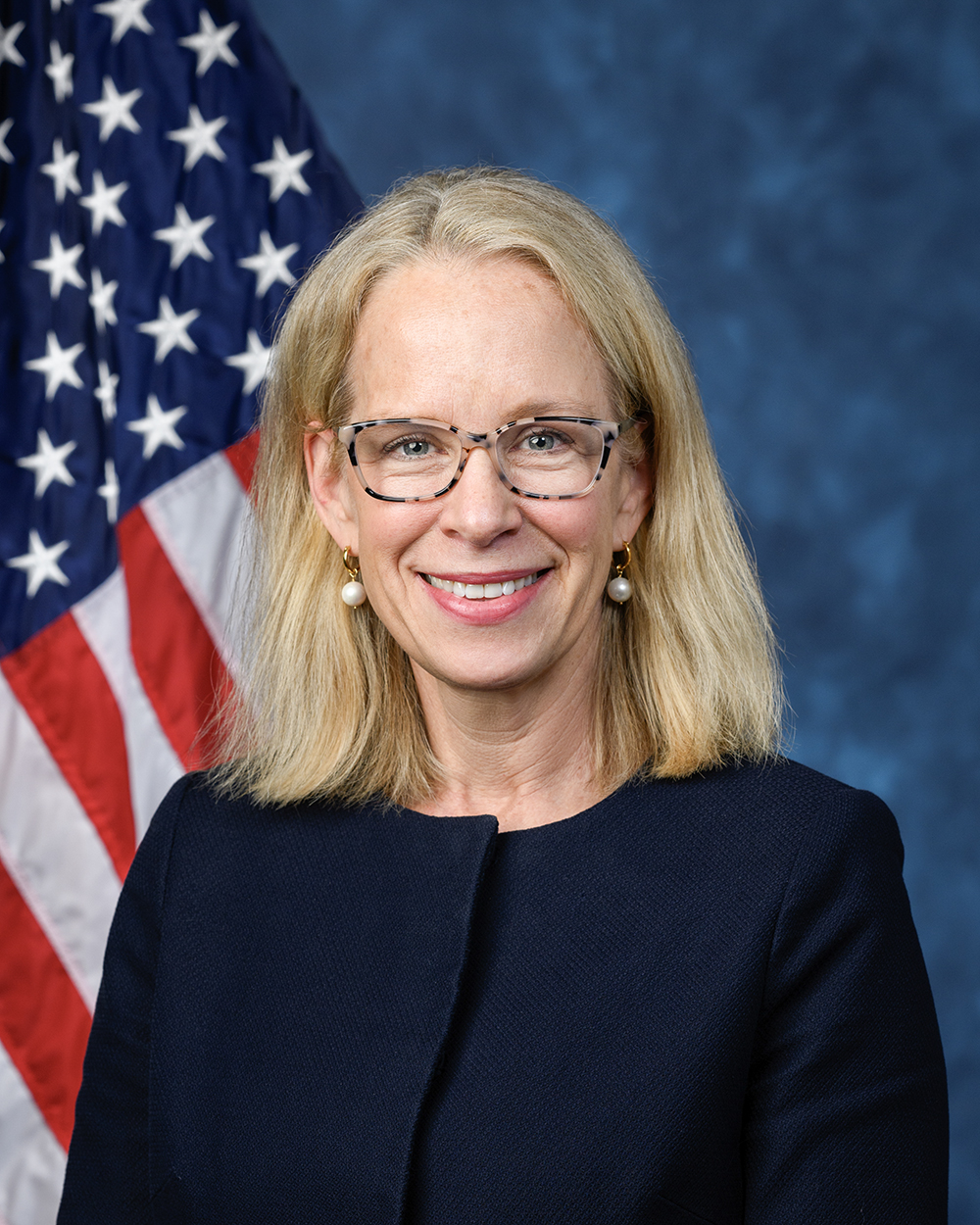
Kelly Morrison
Kelly Morrison House · District 3
D
Mixed
56% 211
Tom Emmer
Tom Emmer House · District 6
R
Oppose
33% 209
Pete Stauber
Pete Stauber House · District 8
R
Oppose
33% 208
Michelle Fischbach
Michelle Fischbach House · District 7
R
Oppose
33% 211
Brad Finstad
Brad Finstad House · District 1
R
Oppose
35% 208
Showing 1–10 of 634 bills

All healthcare bills

in committee · United States · House Sep 10, 2026

HR 10345: EBOLA Act

The EBOLA Act requires the President to rejoin the World Health Organization within 30 days of enactment and immediately coordinate with that body to address an ongoing Ebola outbreak in Central and Eastern Africa. The legislation authorizes necessary funding to cover U.S. membership fees and financial obligations, as well as voluntary contributions to support international disease response efforts. By mandating this rapid re-entry into the global health agency, the bill aims to enhance the nation's ability to monitor emerging infectious diseases and prevent the spread of the virus to American soil.
Sub-Topics Public Health
in committee · United States · House Sep 2, 2026

HR 10227: INSULIN Act of 2026

The INSULIN Act of 2026 mandates that group and individual health insurance plans cap out-of-pocket costs for selected insulin products at $35 per 30-day supply, effective for plan years beginning on or after January 1, 2028. This cost limit applies to a variety of insulin types and delivery devices, with the cap set at the lesser of $35 or 25 percent of the negotiated price net of concessions. The bill also prohibits insurers from imposing deductibles or prior authorization requirements for these covered products unless clinically justified for safety reasons. Additionally, the legislation directs the Department of Health and Human Services to fund a resource center and hotline to help uninsured individuals find affordable insulin assistance programs, while requiring the Government Accountability Office to study the demographics of uninsured insulin users. Finally, it creates an expedited review process for biosimilar insulin applications when the Secretary determines there is inadequate competition in the market.
in committee · United States · House Jul 27, 2026

HR 9959: Green New Deal for Public Schools Act

The Green New Deal for Public Schools Act directs over $700 billion in federal funding to public schools, prioritizing those serving the most vulnerable communities based on CDC social vulnerability rankings. The legislation establishes a new Office of Sustainable Schools and authorizes grants for "healthy green retrofits" that convert school buildings into zero-carbon facilities with clean air, water, and energy systems, while also providing funds to hire additional educators, mental health professionals, and support staff. Additionally, the bill mandates increased federal funding for special education under the Individuals with Disabilities Education Act and creates a climate resiliency program that allows schools to function as community centers during natural disasters. All grant recipients must adhere to strict labor standards, including prevailing wage requirements, Buy American provisions, and local hiring goals that prioritize residents of the surrounding community.
in committee · United States · House Jul 22, 2026

HR 9832: Medicare Dental Benefit Act of 2026

This bill amends Medicare to cover dental and oral health services for the first time, affecting all current and future Medicare beneficiaries. It defines covered services to include routine cleanings, fillings, extractions, root canals, crowns, dentures, and emergency care. For most individuals, federal payment for these services will gradually increase from 0% to 80% over an eight-year period, while low-income individuals eligible for prescription drug subsidies will receive 80% coverage immediately. The legislation also establishes frequency limits, such as two cleanings and exams per year and a five-year limit on full dentures, and requires the U.S. Preventive Services Task Force to include at least one oral health professional.
in committee · United States · House Aug 10, 2026

HR 10072: Hardworking Seniors Act

The Hardworking Seniors Act would allow individuals who are eligible for Medicare Part A hospital insurance based on their age to contribute to Health Savings Accounts (HSAs). Currently, these individuals are generally prohibited from making HSA contributions once they become entitled to any form of Medicare. The bill modifies the Internal Revenue Code to exclude age-based Medicare Part A entitlement from the definition of conditions that disqualify a person from contributing to an HSA. This change would take effect for taxable months beginning after December 31, 2026.
Sub-Topics Hospitals Medicare Tags Seniors
in committee · United States · Senate Aug 4, 2026

S 5231: Equity in Pretrial Health Coverage Act

The Equity in Pretrial Health Coverage Act removes federal restrictions that currently prevent individuals awaiting trial from accessing certain government health benefits. The bill amends laws governing Medicaid, Medicare, the Children's Health Insurance Program (CHIP), and Department of Veterans Affairs services to ensure these programs cover medical care for people in custody while their charges are pending. For children enrolled in CHIP, the legislation also mandates coverage for specific screenings and case management services during the 30 days leading up to their release. These changes take effect shortly after enactment, with the Department of Veterans Affairs provision becoming active immediately upon the bill's passage.
passed · United States · Senate Aug 7, 2026

SRES 843: A resolution expressing support for the designation of the first week of August 2026, as "National Community Health Center Week", encouraging all people of the United States to participate by visiting their local community health center, and celebrating the important partnership between community health centers and the communities they serve.

This Senate resolution designates the first week of August 2026 as "National Community Health Center Week" to recognize the role these facilities play in providing affordable primary care across the United States. The bill highlights that community health centers serve a diverse range of populations, including those in rural and urban areas, by offering integrated services such as mental health, dental, and pharmacy care. It encourages the general public to participate in the observance by visiting local centers and celebrating the partnership between these organizations and their communities.
in committee · United States · Senate Aug 4, 2026

S 5232: Rural Residency Planning and Development Act of 2026

The Rural Residency Planning and Development Act of 2026 authorizes the Secretary of Health and Human Services to provide grants to eligible entities for establishing new physician residency programs in rural areas. These three-year grants support training pathways in general primary care, high-need specialties, and maternal health, with a requirement that residents spend more than half their training time in rural settings. The bill also creates a separate four-year technical assistance program to help organizations apply for and manage these residency initiatives. Eligible recipients include public or private nonprofit and for-profit entities, Indian Tribes, rural hospitals, and medical schools. The legislation authorizes $12.7 million annually for fiscal years 2027 through 2031 to fund these programs.
Sub-Topics Healthcare Workforce Primary Care Women's Health Tags Rural Communities
in committee · United States · Senate Aug 6, 2026

S 5296: Pathways to Health Careers Act

The Pathways to Health Careers Act establishes a federal grant program effective October 1, 2026, to train low-income individuals for careers in health professions such as nursing, emergency medical services, and allied health fields. The legislation allocates $435 million annually from fiscal years 2027 through 2031 to fund these initiatives, with specific requirements ensuring that at least two grants are awarded in each state and the District of Columbia, along with dedicated funding for tribal entities and U.S. territories. Key provisions mandate that grant recipients provide comprehensive support services, including adult basic education, childcare, transportation assistance, and cash stipends, while also requiring rigorous evaluations of demonstration projects focused on individuals with criminal records and maternal health career pathways.
in committee · United States · Senate Aug 5, 2026

S 5260: Stroke Act

The Stroke Act directs the Department of Health and Human Services to conduct research on stroke care delivery and award grants to improve national stroke data collection and quality. The legislation authorizes funding for a national stroke registry that gathers standardized information from various types of hospitals to support quality improvement and benchmarking. Additionally, it provides grants for training emergency medical personnel, expanding telestroke services in underserved areas, and coordinating post-stroke rehabilitation. Finally, the bill funds a national public education campaign aimed at promoting stroke prevention and encouraging individuals to seek immediate treatment for symptoms.
Showing 1 to 10 of 634 bills
1 2 3 64 Next