

Maddy summaryThis bill proposes a constitutional amendment requiring immediate removal from office for any elected public officer convicted of a felony during their term. It would amend Michigan's state constitution to automatically vacate the position upon a felony conviction, bypassing current processes that may allow officers to remain in office pending appeals. The change directly affects elected officials like state legislators, mayors, and county commissioners who face felony convictions while serving. The amendment must be approved by voters at the next general election to take effect.
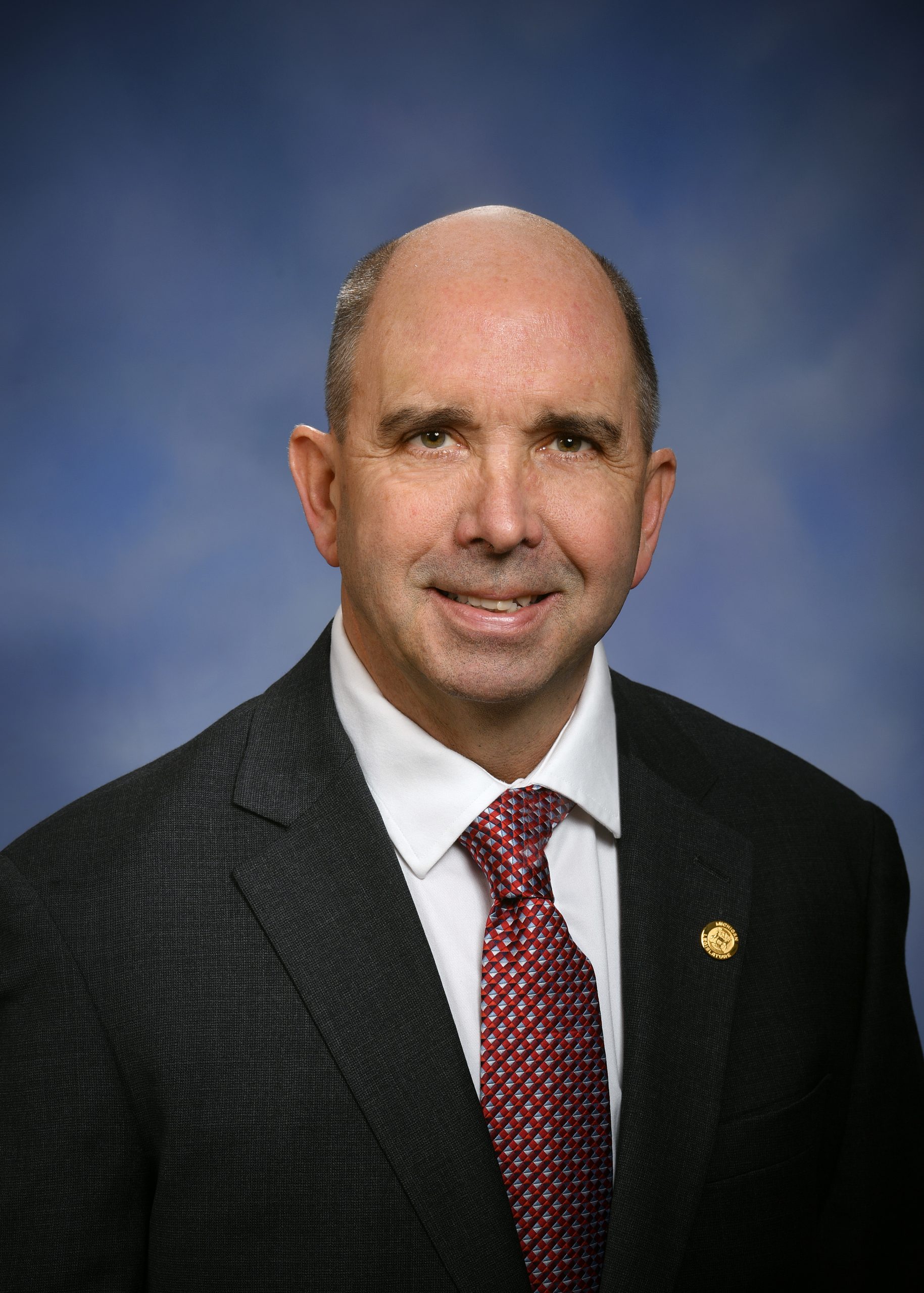
Rep. Jerry Neyer
Sponsored bills
Maddy summaryHB 4048 adds a new sentencing guideline for distributing intimate deepfake sexual images with aggravating circumstances, classifying it as a Class F felony punishable by up to 3 years in prison. This directly affects individuals convicted of disseminating such deepfakes, particularly those with prior offenses under Michigan law. The bill amends sentencing guidelines in Chapter XVII of the Michigan Penal Code to specifically address this crime, establishing a clear penalty framework for courts to apply. It became effective immediately upon the Governor's approval on August 26, 2025.
Maddy summaryHB 4780 designates the second Saturday of September each year as "Michigan's Day of Recovery" to recognize Michiganders living with substance use disorders and the recovery community organizations that support them. The bill acknowledges that approximately 638,000 residents face substance use challenges, with only about 127,600 receiving treatment, while recovery organizations - providing long-term support - remain significantly underfunded. This legislation creates a formal state observance date but does not include new funding or policy changes for treatment programs. It is currently pending in the House Committee on Government Operations after being introduced on August 20, 2025.
Maddy summaryHB 4783 amends Michigan's Natural Resources and Environmental Protection Act to grant the Upper Peninsula Natural Resources Commission authority over fish management decisions in the Upper Peninsula. The bill transfers decision-making power from the state Department of Natural Resources to this regional commission for waters including Lake Superior, the St. Marys River, and all inland waters in the Upper Peninsula. Key provisions revise definitions and processes related to fish classification and management, specifically updating sections that govern trout streams and other water bodies. This change directly affects the commission's role in regulating fishing practices and protecting fish species within the designated Upper Peninsula waters.
Maddy summaryHB 4786 creates the Upper Peninsula Natural Resources Commission under Michigan's Natural Resources and Environmental Protection Act. The commission, appointed by the governor from lists provided by UP legislators, will make rules specifically about game and sport fish management that affect only the Upper Peninsula. Members serve two-year terms without pay but receive expense reimbursement. This bill requires three related bills (HB 4783, 4784, and 4785) to also pass before taking effect.
Maddy summaryHB 4784 gives Michigan's Upper Peninsula Natural Resources Commission (UP Commission) new authority to manage wildlife specifically in the Upper Peninsula. It authorizes the UP Commission to establish the first hunting seasons for moose and wolves in the region, while requiring all decisions to follow scientific wildlife management principles. The bill also grants the UP Commission exclusive authority over game species that primarily affect the Upper Peninsula or have minimal impact outside the region. This change directly affects the UP Commission's management decisions, hunters pursuing moose or wolves in the UP, and wildlife conservation efforts focused on the Upper Peninsula. The law mandates public hearings and scientific review before implementing hunting regulations.
Maddy summaryHB 4785 creates the Upper Peninsula natural resources commission (UP commission) by amending Michigan's Natural Resources and Environmental Protection Act to define it as a new entity. The bill also amends section 40102 to authorize the UP commission to issue orders regarding deer or elk feeding, a specific wildlife management issue. This commission will provide a regional decision-making body for natural resource matters in the Upper Peninsula, particularly concerning wildlife impacts on local ecosystems. The bill is tied to three other related bills (HB 4784, HB 4786, and HB 4783), requiring all to pass together.
Maddy summaryHB 4781 amends Michigan's Whistleblowers' Protection Act to strengthen penalties for employers who retaliate against employees reporting violations. It increases the civil fine for violations from $500 to $2,000 per offense and requires employers to pay triple back wages to affected employees. The bill directly impacts workers who report wrongdoing (whistleblowers) and employers who retaliate, ensuring greater financial accountability. All collected fines must be deposited into the state general fund.
Maddy summaryThis constitutional amendment (HJR K) proposes allowing either Michigan legislative house to suspend a member's salary or expense allowance by a two-thirds vote when the member acts unethically or is excessively absent from regular sessions. It amends Article IV, Sections 12 and 16 of the state constitution to establish this process, requiring the house to document the suspension reason in its journal with voting records. The change directly affects state legislators who face disciplinary action for misconduct or attendance issues. If approved, this would give legislative bodies a formal mechanism to withhold compensation for specific violations, rather than relying solely on expulsion.
Maddy summaryHB 4081 allows counties and municipalities in Michigan to set higher limits than the current state cap on the number of separate land parcels created when dividing a single property. It amends state law (MCL 560.108) that previously limited most land divisions to 12 parcels. The bill directly affects local governments, developers, and property owners by giving communities more flexibility to manage land use and development density. This change removes the state-imposed cap, enabling local authorities to establish their own parcel limits based on community needs.