

Maddy summaryHB 4756 amends Michigan's Capitol Historic Site Act to allow licensed individuals (including those with out-of-state permits) to carry concealed pistols inside the state capitol building. It specifically requires that such individuals present their concealed pistol license to capitol security officers or legislative sergeants at arms upon request. This bill directly affects licensed gun carriers who currently face restrictions within the capitol building. The change removes the existing prohibition on concealed carry in the capitol, aligning with the commission's role in managing the site without restricting licensed carry.
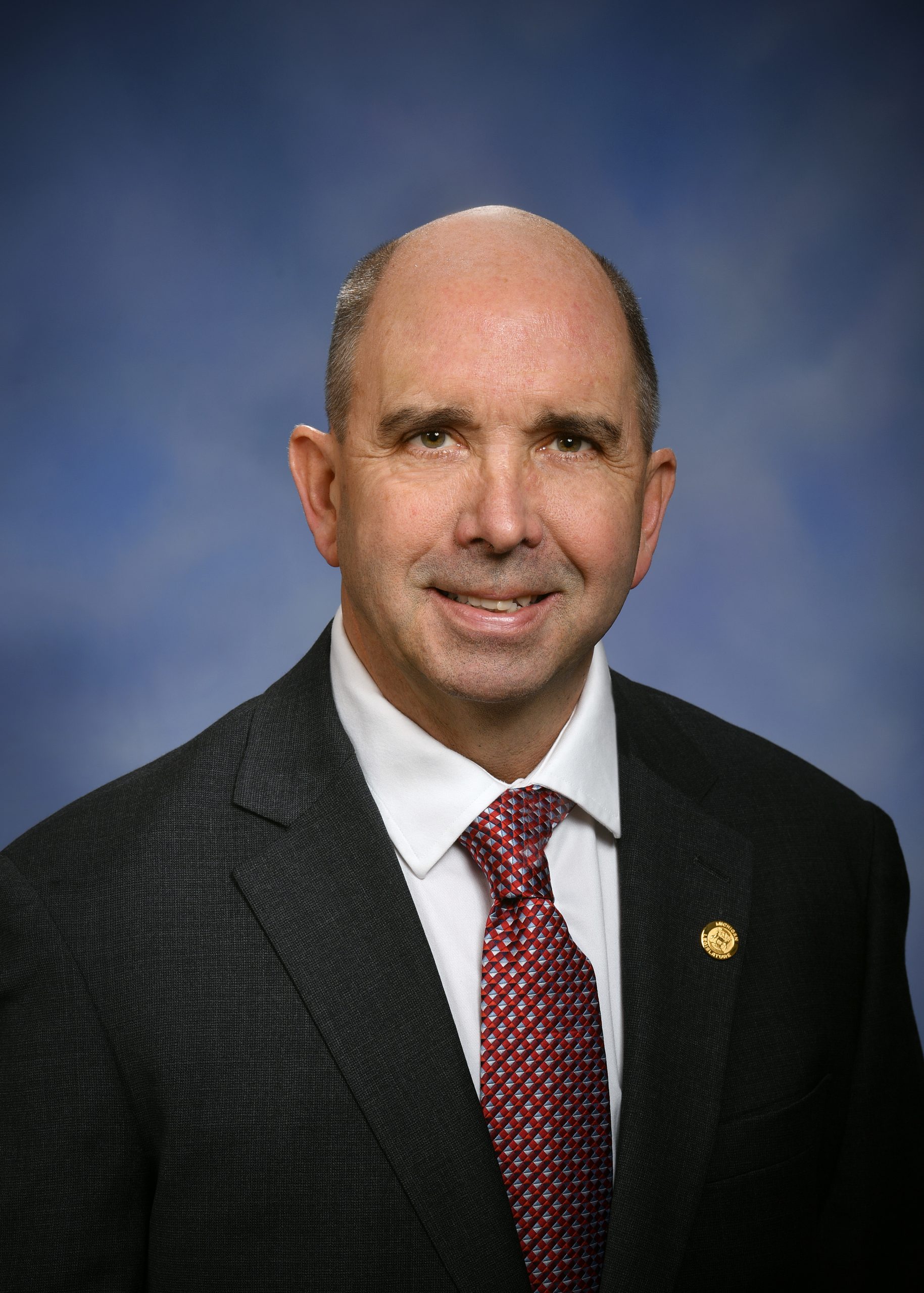
Rep. Jerry Neyer
Sponsored bills
Maddy summaryHB 4390 expands Michigan's vehicle code to allow testing of oral fluid (such as saliva) for controlled substances, alongside blood, breath, or urine, when determining impairment. It directly affects commercial drivers who refuse chemical tests for controlled substances or alcohol while operating commercial vehicles. The bill adds a new definition of "other bodily fluid" to include oral fluid and creates a process for "preliminary oral fluid analysis" conducted by certified experts at the scene. This change updates existing suspension rules for commercial drivers who refuse testing, ensuring consistent enforcement for controlled substances alongside alcohol. The policy change specifically targets commercial motor vehicle operators who decline chemical tests for drugs or alcohol.
Maddy summaryHB 4721 creates tax credits for biodiesel sales and production in Michigan, effective 2025-2030. Retail fuel dealers receive credits of $0.02-$0.07 per gallon for selling biodiesel blends (6-9%, 10-19%, or 20%+), while biodiesel producers get $0.02 per gallon. Total credits are capped at $16 million annually for retailers and $2 million for producers, with excess claims distributed proportionally. The bill directly affects Michigan fuel retailers and biodiesel producers by reducing their income tax liability based on specific blend volumes sold or produced.
Maddy summaryHB 4722 creates tax credits to incentivize biodiesel use in Michigan. Retail fuel dealers selling biodiesel blends (6-9% at $0.02/gal, 10-19% at $0.05/gal, 20%+ at $0.07/gal) can claim credits, while biodiesel producers get $0.02 per gallon produced. Credits apply for tax years 2025-2030, with a $16 million total cap for retailers and a $2 million cap for producers. This directly affects Michigan fuel retailers and biodiesel manufacturers by reducing their income tax liability for qualifying sales and production.
Maddy summaryHB 4426 amends Michigan's Motor Carrier Safety Act (MCL 480.12d) to set a minimum age of 21 for drivers transporting hazardous materials requiring placards under federal rules. It maintains the existing 18-year-old minimum for most commercial driving but specifically raises the age requirement for hazardous materials transport. The bill does not change medical waiver or grandfathered driver provisions. This change directly affects commercial drivers operating in Michigan who transport hazardous materials requiring placards.
Maddy summaryHB 4655 prohibits Michigan state departments or licensing boards from requiring implicit bias training as a condition for health professional licensure or license renewal. The bill directly affects licensed healthcare workers (like nurses, doctors, and therapists) who would otherwise need to complete such training to obtain or maintain their licenses. It achieves this by amending Michigan's Public Health Code to add Section 16149, which bans the enforcement of rules mandating this training, and by rescinding a related section of the Michigan Administrative Code (MCL 338.7004). The bill removes a potential requirement for healthcare professionals seeking initial licensure or renewal.
Maddy summaryHB 4257 defines key terms related to waste management, specifically for anaerobic digestion byproducts (digestate) and their "beneficial use" in agriculture or construction. It creates five distinct categories of beneficial use (e.g., soil application at agronomic rates, road base, or construction fill) with specific environmental safeguards like runoff prevention and groundwater protection. The bill directly affects waste management facilities, farmers, and construction entities handling digestate or ash by clarifying legal standards for its use. These definitions ensure consistent application under existing environmental rules, requiring materials to meet soil-nutrient balance and pollution prevention criteria.
Maddy summaryHB 4265 modifies reporting and compliance rules for facilities using anaerobic digesters, which process organic waste (like food scraps or manure) to create biogas. It updates existing requirements under Michigan's Solid Waste Act (specifically sections 11506 and 11568) to clarify what data these facilities must report to regulators. The bill directly affects waste processing facilities operating anaerobic digesters, requiring them to follow updated reporting standards. This change streamlines regulatory oversight without altering the core function of these systems.
Maddy summaryHR 131 is a ceremonial resolution introduced by Rep. Bruck and adopted on June 12, 2025, to honor the 250th anniversary of the U.S. Army's founding on June 14, 2025 (marking the 1775 establishment of the Continental Army). It recognizes the Army's historical role in the Revolutionary War, its mission, and its current status as a key military force. The resolution has no legal effect or policy changes - it is purely symbolic, expressing congressional admiration without impacting any laws, funding, or specific groups.
Maddy summaryHB 4345 creates an exception allowing Michigan school districts to skip required instructional days without facing penalties when closing due to a declared state of emergency. This directly affects school districts and students by providing flexibility during emergencies like natural disasters or public health crises. The bill amends existing law to remove the penalty for missing minimum instructional days during such closures, ensuring districts aren't financially punished for following emergency protocols. The law took effect immediately upon the Governor's approval on June 2, 2025.