

Maddy summaryHB 4857 amends Michigan’s Public Health Code to strengthen confidentiality protections for emergency service providers receiving critical incident stress management (CISM) services. The bill ensures conversations between first responders (such as police, firefighters, EMTs, and dispatchers) and CISM teams remain private, preventing disclosure in court, investigations, or other proceedings. Exceptions include situations where a provider poses an imminent threat to themselves or others, reports abuse, or explicitly waives confidentiality. This change directly affects emergency workers accessing mental health support after traumatic incidents, ensuring they can seek help without fear of their disclosures being used against them. The law applies to all CISM services provided under the existing framework, including peer support, debriefings, and referrals.
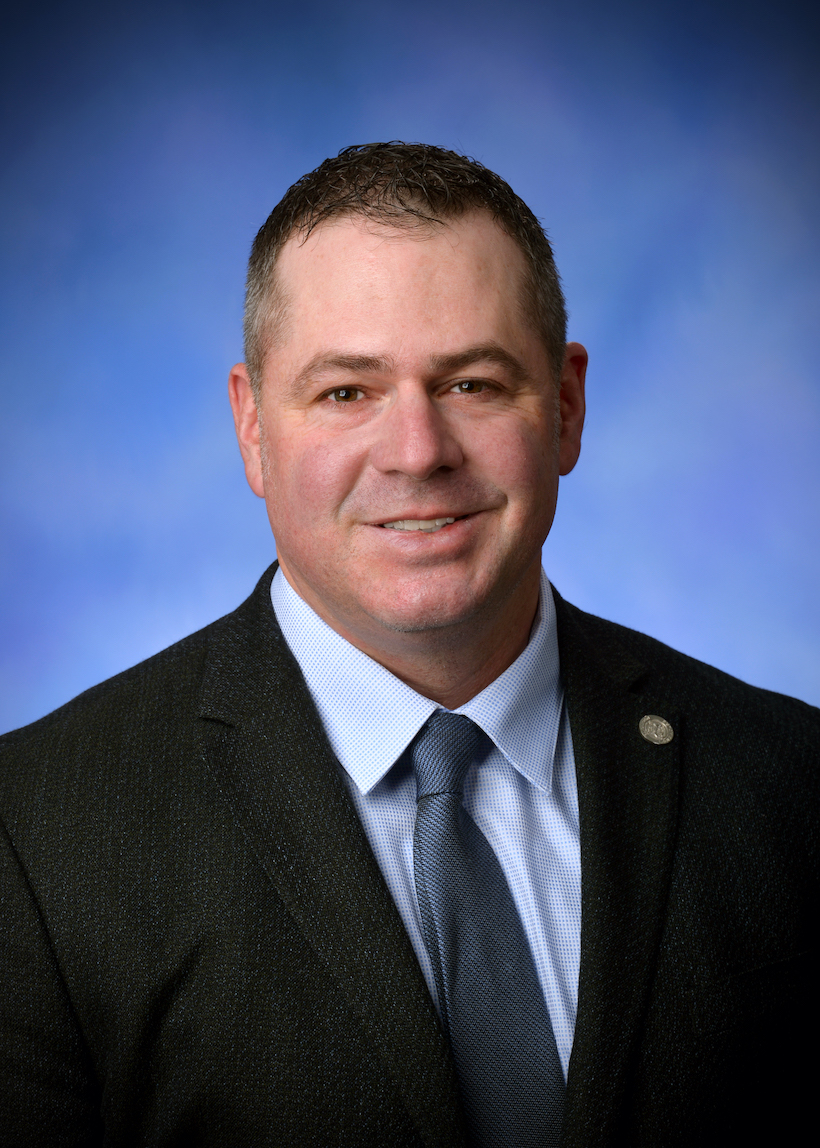
Rep. Mike Mueller
Sponsored bills
Maddy summaryHB 4843 amends exceptions allowing law enforcement to use electrical current weapons (such as tasers) without violating state law. It modifies when these devices can be deployed, affecting officers who rely on them during encounters. However, the specific changes to the exceptions are not detailed in the provided context, so the exact policy mechanisms cannot be described. The bill passed the House with strong support but the summary is limited by available information.
Maddy summaryHB 4481 requires Michigan's Attorney General to create and maintain a website listing states that recognize Michigan concealed pistol licenses and detailing each state's specific rules for out-of-state license holders. This website will help Michigan license holders understand where they can legally carry concealed firearms and what restrictions apply when traveling. The bill directly affects Michigan residents with concealed carry permits who travel to other states. It is a procedural measure focused on providing clear, accessible information to license holders, not changing gun laws or restrictions.
Maddy summaryHB 5231 designates the "Honor and Remember flag" (created by Honor and Remember, Inc.) as Michigan's official state emblem for honoring military members who died in service. This procedural bill directly affects Michigan's official symbols by replacing the current emblem with this specific flag for remembrance purposes. It does not create new programs or alter existing laws, only formally adopting the flag as the state's designated symbol of remembrance. The bill is currently in committee referral after its introduction on November 6, 2025.
Maddy summaryHB 5079 increases penalties for individuals who disarm a law enforcement officer using force or cause injury to the officer during such an incident. It amends existing law (MCL 750.479b) to raise criminal penalties for these specific acts against police. The bill directly affects people who physically interfere with officers' weapons, making the offense a more serious crime. This change applies to any situation where an officer is disarmed through force or injured while resisting disarming.
Maddy summaryThis bill amends Michigan's sentencing guidelines to specifically increase penalties for individuals who take a police officer's firearm by force or cause injury to the officer during such an incident. It directly affects people convicted of assaulting officers to seize their weapons, making this a more severe offense under state law. The key change adds these circumstances as a factor for judges to consider when determining sentences, requiring harsher penalties for disarming officers through violence or causing harm. The amendment modifies Section 16x of the Code of Criminal Procedure (MCL 777.16x) to reflect these updated sentencing standards.
Maddy summaryHB 4930 amends Michigan's health licensing law to require all licensed health professionals (such as doctors, nurses, and therapists) to use their full legal names on official licensure records and practice documents. The bill changes existing rules (MCL 333.16177) to mandate that licensees provide and maintain their complete legal names with the licensing board. This policy change directly affects current and future health professionals seeking or renewing their licenses in Michigan. The law takes immediate effect upon passage, ensuring consistent name identification for patient safety and regulatory clarity.
Maddy summaryHB 4073 modifies Michigan's criminal procedure law to require specific warrant procedures for investigations involving the Department of Natural Resources (DNR). It amends Section 1602 of the Michigan Compiled Laws (MCL 324.1602) and adds a new Section 1507 to clarify warrant requirements for DNR officers conducting searches or seizures under environmental enforcement. This change directly affects DNR law enforcement actions, ensuring they follow defined judicial authorization processes for certain investigations. The bill passed the House on November 4, 2025, with 63 yeas and 37 nays.
Maddy summaryThis resolution (HR 212) requests that the U.S. Congress adopt Section 143 from H.R. 3838 (the 2026 National Defense Authorization Act). Section 143 would require the Air Force to maintain at least 162 A-10 aircraft until 2029 and mandate reports to Congress about transition plans before retiring the fleet. It specifically aims to prevent an operational gap at Michigan's Selfridge Air National Guard Base, where A-10s were scheduled for retirement in 2026 but replacement F-15EX fighters won't arrive until 2028. The resolution does not change policy itself but urges Congress to incorporate these protections into law.
Maddy summaryHB 4691 amends Michigan's Vehicle Code to increase penalties for drivers who flee or elude police officers. It creates four tiers of felony sentencing based on the severity of the violation: fourth-degree (up to 2 years for basic evasion), third-degree (1-5 years if collision occurs or in low-speed zones), second-degree (2-10 years for serious injury or prior convictions), and first-degree (5-15 years if death results). The bill specifically defines "serious injury" to include loss of limbs, brain damage, or coma. This directly affects drivers who fail to stop for police in uniform with marked vehicles, with penalties escalating based on outcomes like collisions, injuries, or prior offenses.