

Maddy summaryHB 4664 prohibits blocking state highways during assemblies of individuals, amending Michigan's existing traffic law (MCL 257.676b). It directly affects protesters or assembly participants who obstruct highway traffic, making such obstruction a misdemeanor offense. The key provision adds a specific penalty for blocking highways while engaging in group assemblies, moving beyond general traffic violations. This law clarifies that highway obstruction during protests is a criminal act, not merely a traffic infraction.
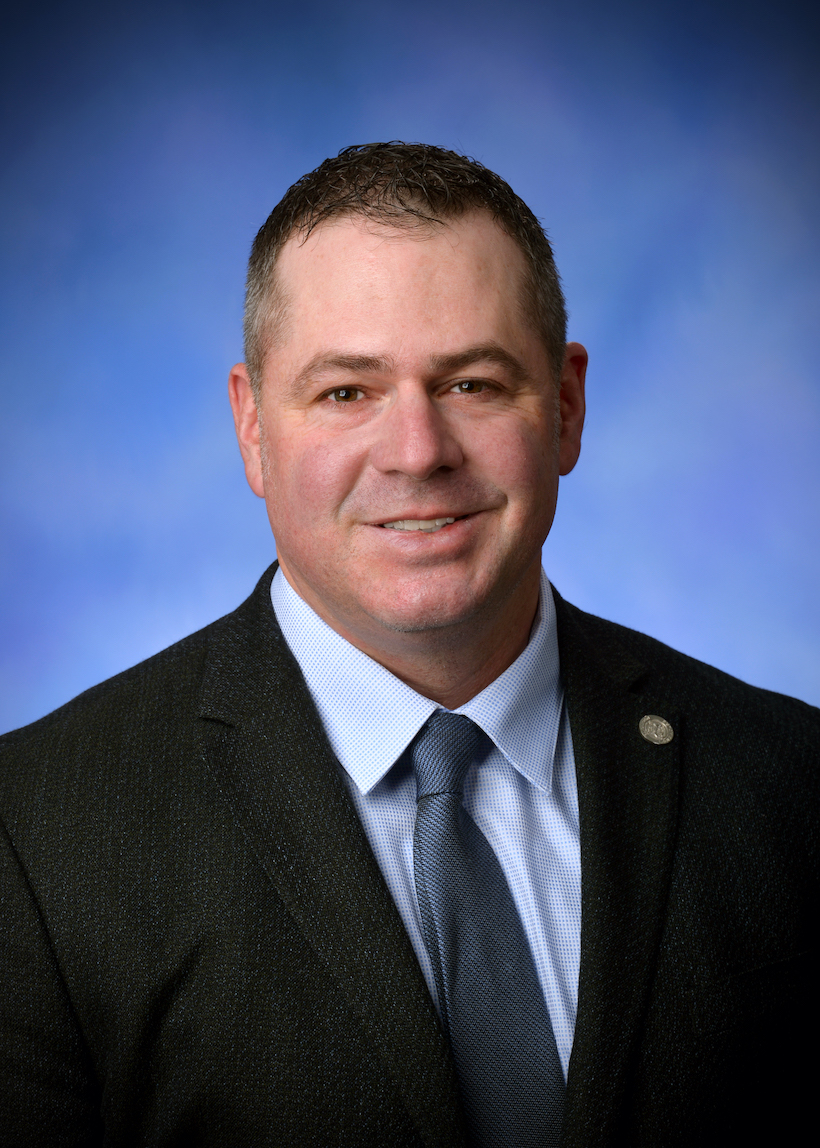
Rep. Mike Mueller
Sponsored bills
Maddy summaryHB 4889 amends Michigan's 1981 debt collection law (1981 PA 70) to clarify definitions and strengthen restrictions on deceptive practices by debt collectors. It directly affects collection agencies and creditors who use third-party collectors, by adding specific prohibitions such as simulating judicial process, using government seals, making false claims about legal actions, or misleading debtors about arrest or property seizure. Key provisions include requiring accurate disclosure of caller identity, banning deceptive forms or communications, and clarifying exemptions for certain entities like banks or attorneys handling their own claims. The bill aims to prevent misleading tactics during debt collection while maintaining existing legal frameworks.
Maddy summaryHB 4936 limits late fees charged by privately owned toll bridge operators for unpaid tolls in Michigan. It prohibits these operators from charging late fees exceeding five times the original toll amount. The law applies specifically to privately owned toll bridges and excludes international crossings and publicly owned bridges. This change directly affects drivers who miss toll payments and privately operated bridge operators, setting a clear cap on additional charges.
Maddy summaryHB 4856 requires Michigan public school districts and intermediate school districts to allow homeschooled or nonpublic school students to participate in extracurricular activities like sports teams, theater, band, and debate. It prohibits school boards from blocking these students' participation and mandates that districts avoid joining athletic conferences or associations with exclusionary policies. The bill defines an "eligible child" as one residing within the district, homeschooled or attending a nonpublic school, and meeting standard eligibility requirements. This directly affects homeschooled and nonpublic school students seeking access to school-run activities. The law amends the Revised School Code (MCL 380.1 et seq.) by adding Section 1290.
Maddy summaryThis resolution (HR 169) designates September 11-17, 2025, as "Patriot Week" in Michigan. It does not create new laws or policies but encourages Michigan residents, schools, and government agencies to honor American history, founding documents, and symbols during this week. The resolution specifically urges participation in activities that promote studying the nation's history and values, including recognition of the September 11, 2001, attacks and key historical figures and events. As a commemorative resolution, it has no direct legal or financial impact on individuals or entities.
Maddy summaryHB 4846 creates a new, faster process for property owners to remove squatters (unlawful occupants) from residential properties without a court hearing. Owners or their agents must submit a verified complaint to the sheriff detailing that the occupant is not a tenant, family member, or owner and has been asked to leave. The sheriff then serves an immediate notice to vacate, removes occupants (possibly arresting them for trespass), and allows owners to change locks with sheriff assistance (at owner cost). Wrongfully removed occupants can sue for triple the fair market rent of the dwelling, plus attorney fees, with courts prioritizing these cases. This procedure does not replace standard eviction processes for lease violations.
Maddy summaryHB 4046 designates a specific segment of US-31 in Grand Traverse County (between Three Mile Road and Bunker Hill Road) as the "Trooper James E. Boland Memorial Highway." This procedural bill amends Michigan's highway naming statute to honor Trooper James E. Boland through a permanent memorial designation. It has no policy or funding mechanisms - only renaming a public roadway. The bill took immediate effect upon approval by the Governor on August 15, 2025.
Maddy summaryThis constitutional amendment (HJR K) proposes allowing either Michigan legislative house to suspend a member's salary or expense allowance by a two-thirds vote when the member acts unethically or is excessively absent from regular sessions. It amends Article IV, Sections 12 and 16 of the state constitution to establish this process, requiring the house to document the suspension reason in its journal with voting records. The change directly affects state legislators who face disciplinary action for misconduct or attendance issues. If approved, this would give legislative bodies a formal mechanism to withhold compensation for specific violations, rather than relying solely on expulsion.
Maddy summaryThis is a ceremonial resolution, not a substantive bill. It declares July 26, 2025, as "National Disability Independence Day" in Michigan to commemorate 35 years since key federal disability rights progress. The resolution encourages all Michigan residents to recognize and celebrate the contributions and achievements of people with disabilities. It directly affects Michigan residents by symbolically acknowledging the state's disability community and their ongoing journey toward accessibility and inclusion. The resolution has no binding policy changes or funding provisions.
Maddy summaryHB 4738 amends Michigan's sentencing guidelines to increase penalties for harming specific working animals used by law enforcement. The bill directly affects individuals who kill or cause serious physical harm to police dogs, police horses, or search and rescue dogs. It would modify existing sentencing guidelines (MCL 777.16b) to establish stricter penalties for these offenses, treating them as more severe crimes. This change would apply to all such incidents occurring in Michigan, with sentencing adjustments to reflect the heightened risk to public safety and law enforcement operations. The bill was introduced on July 15, 2025, and referred to the Judiciary Committee.