

Maddy summaryHB 4390 expands Michigan's vehicle code to allow testing of oral fluid (such as saliva) for controlled substances, alongside blood, breath, or urine, when determining impairment. It directly affects commercial drivers who refuse chemical tests for controlled substances or alcohol while operating commercial vehicles. The bill adds a new definition of "other bodily fluid" to include oral fluid and creates a process for "preliminary oral fluid analysis" conducted by certified experts at the scene. This change updates existing suspension rules for commercial drivers who refuse testing, ensuring consistent enforcement for controlled substances alongside alcohol. The policy change specifically targets commercial motor vehicle operators who decline chemical tests for drugs or alcohol.
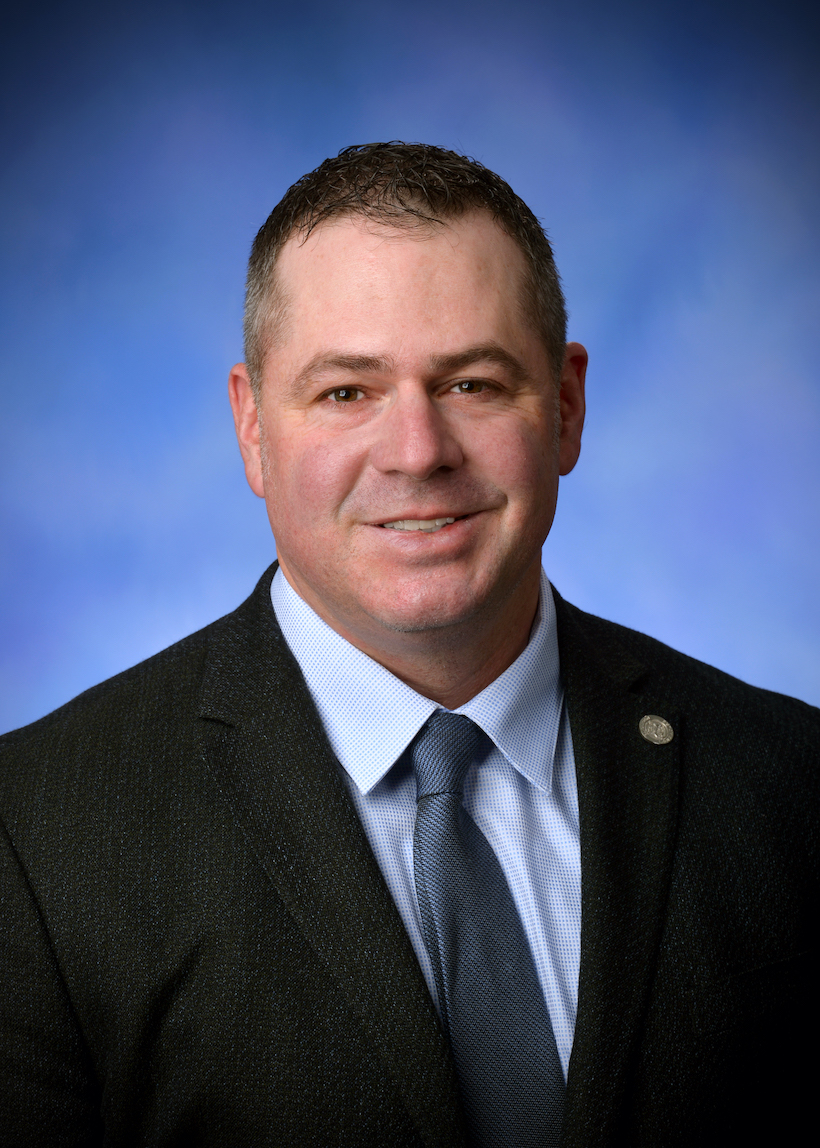
Rep. Mike Mueller
Sponsored bills
Maddy summaryHB 4391 expands Michigan's vehicle code to allow law enforcement to test for intoxication using other bodily fluids beyond blood or breath, such as urine or saliva. It directly affects drivers suspected of operating a vehicle while impaired, updating sections 625a, 625c, and 625g of the 1949 Michigan Vehicle Code (MCL 257.625a et seq.). The bill amends existing testing methods to include these additional fluids, providing more flexibility for officers during DUI investigations. The bill passed the Michigan House on July 17, 2025, with immediate effect.
Maddy summaryHB 4417 requires Michigan's state department to provide opioid antagonists (like naloxone) at no cost to life support agencies - such as ambulance services - when requested. This directly affects emergency medical services (EMS) providers operating life support vehicles, ensuring these vehicles are equipped to respond to opioid overdoses. The bill amends Michigan's Public Health Code to mandate this free distribution, streamlining access for first responders. It focuses on concrete policy change: making overdose-reversal medications readily available in emergency vehicles without cost to EMS agencies.
Maddy summaryHB 4426 amends Michigan's Motor Carrier Safety Act (MCL 480.12d) to set a minimum age of 21 for drivers transporting hazardous materials requiring placards under federal rules. It maintains the existing 18-year-old minimum for most commercial driving but specifically raises the age requirement for hazardous materials transport. The bill does not change medical waiver or grandfathered driver provisions. This change directly affects commercial drivers operating in Michigan who transport hazardous materials requiring placards.
Maddy summaryThis resolution officially designates June 27, 2025, as National PTSD Awareness Day in Michigan. It encourages Michigan residents to learn about PTSD, reduce stigma, and support those affected - including veterans, first responders, and trauma survivors - while aligning with the existing U.S. Senate observance honoring Staff Sergeant Joe Biel. The bill has no new funding or legal requirements; it is a symbolic gesture to promote awareness and compassion.
Maddy summaryHB 4669 requires Michigan correctional facilities to allow unannounced, immediate inspections by state legislators upon request. It directly affects all correctional facilities under the Department of Corrections and state legislators (senators and representatives). The key provision mandates that facility staff must grant legislators access to inspect any premises without prior notice. This bill enhances legislative oversight by providing direct, on-the-ground access to correctional facilities for lawmakers.
Maddy summaryHB 4655 prohibits Michigan state departments or licensing boards from requiring implicit bias training as a condition for health professional licensure or license renewal. The bill directly affects licensed healthcare workers (like nurses, doctors, and therapists) who would otherwise need to complete such training to obtain or maintain their licenses. It achieves this by amending Michigan's Public Health Code to add Section 16149, which bans the enforcement of rules mandating this training, and by rescinding a related section of the Michigan Administrative Code (MCL 338.7004). The bill removes a potential requirement for healthcare professionals seeking initial licensure or renewal.
Maddy summaryThis bill amends Michigan's Natural Resources and Environmental Protection Act to clarify that fur harvester license holders may hunt coyotes year-round. It directly affects licensed hunters who hold a fur harvester's license, removing ambiguity about year-round coyote hunting eligibility. The key change updates Section 43531(4) to explicitly permit year-round coyote hunting under the existing license framework, without altering fees or other license requirements.
Maddy summaryHB 4571 allocates funding for the Michigan Department of State Police for the fiscal year ending September 30, 2026. It establishes the specific appropriations needed to cover the department's operational expenses during that period. This procedural bill directly affects the State Police by providing the financial resources required to carry out its duties in the 2025-2026 budget cycle. No policy changes or new requirements are created by this bill.
Maddy summaryHB 4531 requires all mandated reporters of child abuse or neglect (such as teachers, healthcare workers, and social workers) to complete department-developed training every three years on recognizing abuse/neglect and fulfilling reporting duties. This amendment to Michigan’s Child Protection Law updates Section 9 of the 1975 law, replacing the prior training requirement with a specific 3-year cycle. The bill directly affects professionals legally obligated to report suspected child abuse or neglect. It focuses on ensuring consistent, updated knowledge about detection and reporting procedures through mandatory, recurring training.