

Maddy summaryThis bill amends Michigan's Guardianship Assistance Act to clarify eligibility for state-funded guardianship payments. It specifies that relatives or licensed foster parents caring for a child for at least six months may qualify, requiring background checks and fingerprinting for all adults in the home. The bill distinguishes between federal IV-E funding (for children meeting specific federal criteria) and state funding for other eligible children. It also ensures siblings placed together in a relative guardianship can each receive payments if they meet the criteria. The policy directly affects guardians caring for children in relative or foster care arrangements.
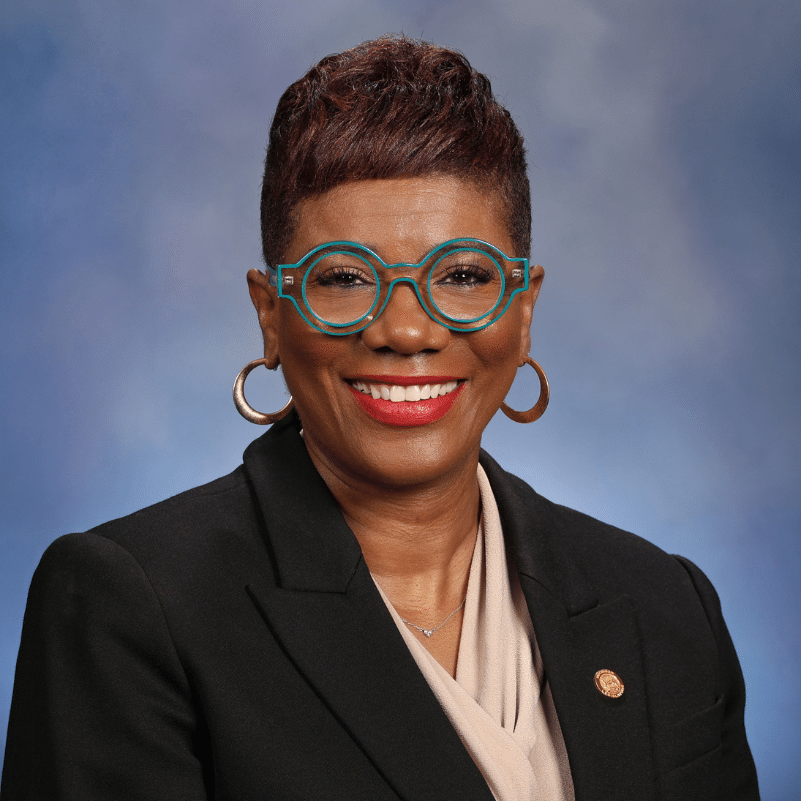
Rep. Cynthia Neeley
Sponsored bills
Maddy summaryThis bill, known as Messiah's Law, creates a new felony offense for intentionally firing a gun at a motor vehicle that the shooter knows or should know is occupied. The law directly affects individuals who commit this act by establishing criminal penalties that include up to 10 years in prison and a fine of up to $10,000. If the vehicle contains a minor, the penalties increase to a maximum of 20 years in prison and a fine of up to $20,000. The legislation amends Michigan's penal code by adding a new section to address this specific type of firearm discharge.
Maddy summaryThis bill proposes to amend Michigan's sentencing guidelines to address specific firearm-related offenses. It would establish sentencing recommendations for individuals who intentionally discharge a firearm from a vehicle or at a dwelling or potentially occupied structure. The changes would apply to judges and prosecutors handling cases involving these specific types of gun discharges. The legislation aims to provide clearer guidance on sentencing for these particular circumstances.
Maddy summaryHB 5971 establishes the Language Assistance for Elections Act, which requires Michigan local governments to provide election materials in languages other than English if their voting-eligible population meets specific thresholds based on the number and percentage of residents with limited English proficiency. The bill mandates that these materials, including ballots and signage, be translated by certified translators rather than relying solely on automatic translation services, and it outlines requirements for updating voting technology to display translated ballots. Additionally, the legislation creates a Language Access Advisory Council to guide these efforts and instructs the Secretary of State to publish annual lists of local governments and languages requiring assistance.
Maddy summaryHB 5969 creates a new State Voting Rights Act in Michigan designed to protect the voting rights of racial, color, and language minority groups. The bill prohibits local governments and officials from implementing election rules or policies that result in disparities in voter participation or impair the ability of minority groups to elect their preferred candidates. Key provisions include defining terms like 'protected class' and 'racially polarized voting,' establishing a legal standard to challenge discriminatory election practices, and creating a fund to support remedies for violations.
Maddy summaryThis resolution officially designates May 2026 as Asian Pacific American Heritage Month throughout the state of Michigan. It directly affects state government entities and encourages all citizens to recognize and celebrate the contributions of Asian Pacific American residents. The measure serves as a formal acknowledgment of the community's cultural diversity and historical impact on the state, rather than implementing new laws or funding.
Maddy summaryHB 5972 requires local governments in Michigan to notify the Secretary of State about specific election-related changes, such as modifications to how winners are determined, shifts between at-large and district-based elections, and plans to remove voters from registration lists. The bill mandates that these notices be submitted within set timeframes and must be posted on the state's website in an accessible format. If a local government fails to provide the required notifications, the Secretary of State must publicly list the violation on the website for at least one year. These new requirements are scheduled to take effect on January 1, 2028, after the Secretary of State consults with relevant organizations and voting rights advocates.
Maddy summaryThis bill designates May 14, 2026, as Hmong Special Guerrilla Units Veterans Remembrance Day in Michigan. It honors Hmong veterans who fought alongside U.S. forces during the Vietnam War and later fled Laos as refugees. The resolution aims to recognize their historical contributions and sacrifices while promoting public awareness of their role in American history.
Maddy summaryThis bill establishes the Michigan Voting and Elections Database and Institute by repealing an older act and creating a new entity to manage election data. The institute will be a partnership between the Secretary of State and public research universities, with the university selecting the director and funding most operations while the state covers initial setup costs. Its primary functions include collecting, archiving, and providing free public access to a wide range of nonpartisan election data, such as precinct-level results, voter registration lists, polling place locations, and district maps. The database must maintain this information for at least 12 years before public release and permanently for archival purposes, while also offering research, training, and technical assistance to local governments and scholars. Additionally, the bill mandates that the institute implement cybersecurity standards comparable to those used by the state's technology department.
Maddy summaryHB 5581 sets a 500-square-foot minimum size requirement for new homes in Michigan, preventing local governments from imposing larger minimums through zoning ordinances. This directly affects homeowners, developers, and local municipalities that create zoning rules for residential construction. The bill amends Michigan’s zoning law by adding Section 205e, which explicitly prohibits zoning ordinances from requiring dwelling sizes greater than 500 square feet. It does not change other zoning regulations like land use types, building heights, or lot coverage. The bill is currently pending in the House Government Operations Committee.