

Maddy summaryHB 4841 requires medical facilities and funeral directors to obtain written parental authorization before disposing of fetal remains from pregnancies ending before 20 weeks gestation or weighing under 400 grams. It directly affects parents of early miscarriages or stillbirths, as well as hospitals, clinics, and funeral professionals handling such remains. The bill mandates that parents may choose burial, cremation, or donation, and specifies that facilities violating this must pay fines up to $50,000 for repeated offenses. This amendment to Michigan's Public Health Code updates existing procedures for final disposition of early fetal remains without altering abortion laws.
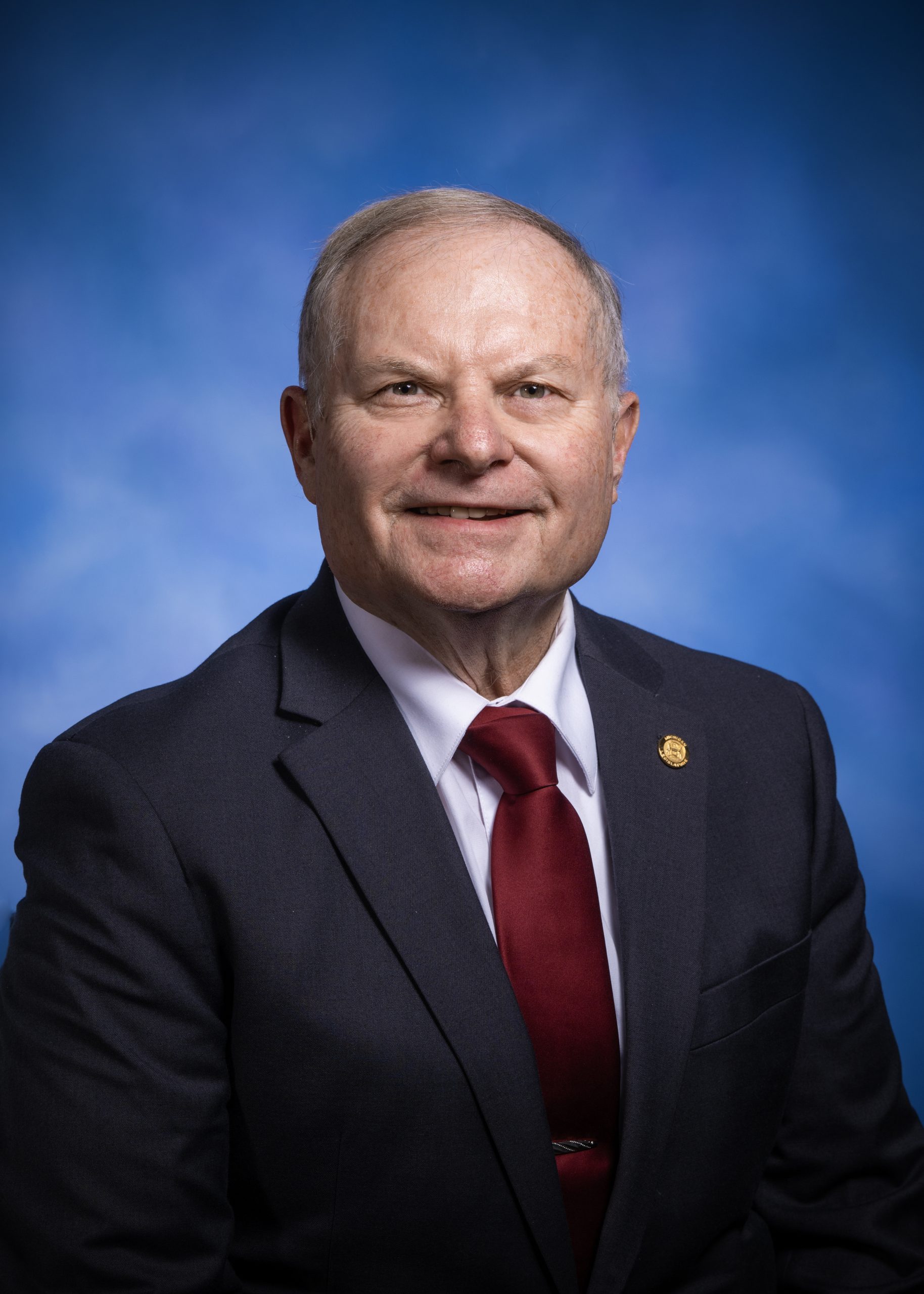
Rep. Joe Pavlov
Sponsored bills
Maddy summaryHB 4017 modifies workplace safety reporting rules by reducing the maximum penalty for failing to report a death if the death occurs on a family farm. It specifically lowers the penalty amount for employers who don't report fatalities involving certain individuals (like family members) working on their own farm. The bill affects employers in Michigan who operate family farms and are subject to workplace safety laws under MCL 408.1035. This change directly alters the penalty structure for reporting requirements related to farm-related workplace deaths.
Maddy summaryHR 160 is a ceremonial House resolution congratulating Pope Leo XIV on his election as the 267th pontiff of the Catholic Church and the first American-born pope. It recognizes his historic significance for American Catholics and commends his lifetime of service, humility, and commitment to pastoral care. The resolution does not enact policy or affect any individuals or groups; it is purely symbolic. It was introduced and adopted by the House on September 3, 2025, with no further legislative action required.
Maddy summaryHB 4832 amends Michigan's Public Health Code to establish a new licensure process for anesthesiologist assistants (AAs), directly affecting AAs seeking to practice in the state and the Michigan Board of Medicine. The bill adds new sections defining AA qualifications, supervision requirements, and scope of practice, while updating existing licensing statutes to include AAs as a distinct licensed profession. Key provisions require AAs to complete state-approved education programs and work under physician supervision, with specific standards for training and clinical responsibilities. This bill is procedural in nature, creating the regulatory framework for AA licensure rather than changing patient care standards. It was introduced on August 27, 2025, and referred to the Health Policy Committee.
Maddy summaryHB 4819 amends Michigan's election law to clarify that the secretary of state's office becomes vacant if they file for or are nominated for another elected or appointed public office. This directly affects the secretary of state, preventing them from holding that position while pursuing another office. The key provision adds a new reason for vacancy under section 82, requiring the secretary of state (or attorney general if the secretary's office is vacant) to notify the governor of the vacancy within 10 days. The bill makes no changes to existing vacancy reasons like death, resignation, or conviction.
Maddy summaryHB 4803 amends Michigan's concealed carry law to expand exemptions from license requirements for specific military personnel. It waives the need for a concealed pistol license for active-duty members of the U.S. Army, Air Force, Navy, or Marine Corps while on duty, National Guard members during duty or drills, and Canadian law enforcement officers. The bill also adds exemptions for National Guard military police in "title 32 status" and clarifies existing exemptions for military-related activities. These changes directly affect eligible military personnel, law enforcement, and security personnel who carry concealed weapons during official duties. The bill modifies existing law (MCL 28.432a) without altering the core licensing system for the general public.
Maddy summaryHB 4812 requires Michigan's Department of Corrections to provide prisoners with written materials about voter registration and election processes before their release on parole or after completing their sentences. Specifically, it mandates that the department include details on how to register to vote, vote in person, or request absentee ballots, along with regular election dates. The bill also directs the department to assist prisoners in obtaining essential identification documents (like those needed for driver's licenses or state ID cards) and creates a "reentry success fund" to cover related costs. This applies to all prisoners transitioning from incarceration to community life who are eligible for such identification.
Maddy summaryHB 4707 prohibits Michigan cities, townships, and the state from using ranked choice voting in any election. The bill amends Michigan's election law to explicitly ban this voting method, which allows voters to rank candidates in order of preference, and voids any existing local ordinances permitting it. It applies to all elections, including those for local offices, and defines "ranked choice voting" as any system where voters can select more than one candidate for a single position. The bill passed the House on August 20, 2025, with 57 votes in favor, and now awaits further action in the committee on Elections and Ethics.
Maddy summaryHB 4048 adds a new sentencing guideline for distributing intimate deepfake sexual images with aggravating circumstances, classifying it as a Class F felony punishable by up to 3 years in prison. This directly affects individuals convicted of disseminating such deepfakes, particularly those with prior offenses under Michigan law. The bill amends sentencing guidelines in Chapter XVII of the Michigan Penal Code to specifically address this crime, establishing a clear penalty framework for courts to apply. It became effective immediately upon the Governor's approval on August 26, 2025.
Maddy summaryHB 4780 designates the second Saturday of September each year as "Michigan's Day of Recovery" to recognize Michiganders living with substance use disorders and the recovery community organizations that support them. The bill acknowledges that approximately 638,000 residents face substance use challenges, with only about 127,600 receiving treatment, while recovery organizations - providing long-term support - remain significantly underfunded. This legislation creates a formal state observance date but does not include new funding or policy changes for treatment programs. It is currently pending in the House Committee on Government Operations after being introduced on August 20, 2025.