

Maddy summaryMichigan House Bill 6284 updates the state's sentencing guidelines by amending Section 16m of the Code of Criminal Procedure to include specific firearm-related felonies. The bill creates a comprehensive list of offenses, ranging from selling firearms to minors and prohibited persons to discharging guns in vehicles or at dwellings, assigning each a specific classification level and maximum prison sentence. These classifications determine how judges calculate sentences for these crimes, with penalties varying based on the severity of the act and any resulting injuries or deaths. The legislation is tied to House Bill 6285 and will not take effect unless that companion bill is also enacted into law.

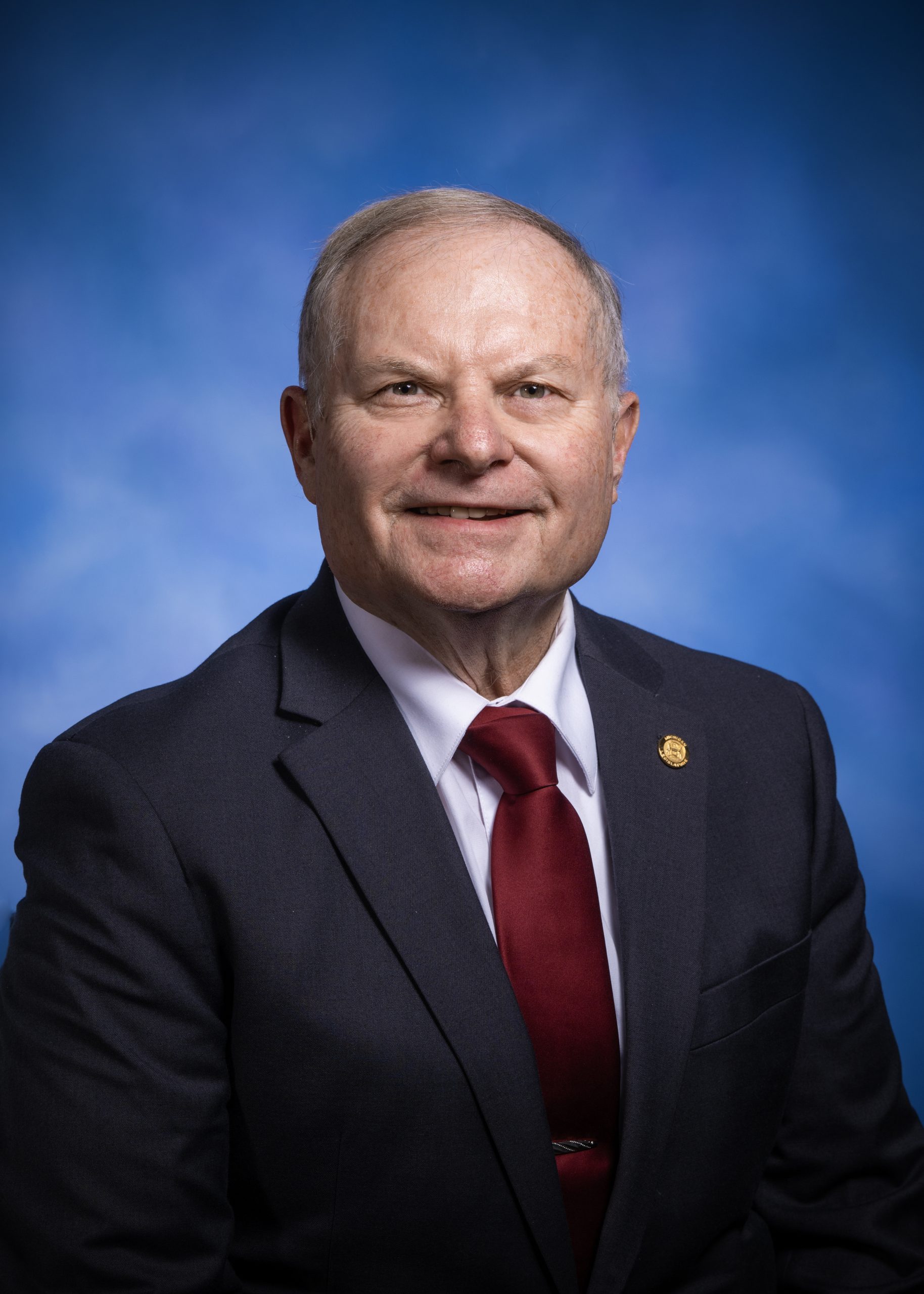
Rep. Joe Pavlov
Sponsored bills
Maddy summaryThis bill designates euchre as the official game of the state of Michigan. It creates a new act to formally establish this title in state law. The legislation does not impose any regulations or restrictions on how the game is played, but rather serves as a symbolic designation for the state.
Maddy summaryMichigan House Bill 6281 amends the Motor Fuels Quality Act to update regulations for gasoline and diesel fuel sold in the state. The bill directs the director of the Department of Environment, Great Lakes, and Energy to establish specific standards for fuel purity, additives, and octane ratings, while mandating a vapor pressure limit of 9.0 psi for most retail outlets during the summer months from June 1 to September 15. It also clarifies that certain counties with stricter air quality requirements must continue using lower vapor pressure fuels of 7.0 or 7.8 psi unless federal and state agencies determine those standards are no longer necessary. Additionally, the legislation permits the year-round sale of E15 fuel, which contains 10.5% to 15% ethanol, provided that dispensing pumps are clearly labeled in accordance with federal law.
Maddy summaryMichigan House Bill 6285 removes state-level restrictions on the manufacture, sale, and possession of silencers, shotguns with barrels shorter than 18 inches, and rifles with barrels shorter than 16 inches. The bill amends the Michigan penal code to eliminate these specific items from the list of prohibited weapons, effectively legalizing them for private citizens while maintaining existing federal regulations. It also repeals a separate section of the law that previously addressed short-barreled shotguns, ensuring consistency in the state's firearm statutes.
Maddy summaryMichigan employers licensed to sell alcohol, such as bars and restaurants, can claim a $250 tax credit for each employee who completes required training on preventing positional asphyxiation. This training is specifically designed for staff members, including bouncers, whose job duties involve the potential restraint of other individuals. The bill mandates that employers cover the costs of this instruction to qualify for the credit against their state income tax withholdings. These provisions are set to take effect for tax years beginning on or after January 1, 2027, provided two related bills from the current legislative session are also enacted into law.
Maddy summaryHB 6268 amends Michigan's Revised Judicature Act to establish a clearer, tiered system for determining the proper county where civil lawsuits must be filed. The bill prioritizes counties where a defendant resides, has a place of business, or conducts business, and expands the definition of conducting business to include locations where a defendant's products are sold at retail. If no such county exists for a defendant, the law allows cases to be filed in a county connected to the plaintiff, provided that specific conditions regarding both parties' presence in that county are met. Additionally, the legislation requires actions against court-appointed fiduciaries to be filed in the county of their appointment and permits parties to request venue changes based on hardship or inconvenience.
Maddy summaryMichigan House Bill 6270 creates a temporary sales tax exemption for the purchase of building materials used to construct new single-family homes or small multi-family dwellings with up to four units. This two-year benefit applies to both homeowners and construction companies, provided that a valid building permit is in place at the time of the material sale. The bill requires state officials to submit annual reports to the legislature detailing how many new homes were built, jobs created, and the impact on state tax revenue due to this exemption.
Maddy summaryMichigan House Bill 6269 amends the state's use tax act to exempt qualified building materials from taxation when purchased for the construction of new single-family residences or small multi-family homes with up to four units. This exemption applies to both home owners and developers, as well as contractors building for others, provided a valid building permit is in place at the time of purchase. The bill includes safeguards that require taxpayers to pay back any exempted taxes if the materials are not used for the intended residence, if the project is abandoned within 15 months, or if the building permit expires before a certificate of occupancy is issued. Additionally, the state Department of Treasury must submit annual reports to the legislature detailing how this tax break affects housing construction, job creation, and state revenue.
Maddy summaryMichigan House Bill 6271 creates a new individual income tax credit for taxpayers who pay local building permit fees to construct a new single-family home. Starting with the 2027 tax year, eligible individuals can claim a credit equal to their actual permit costs, up to a maximum of $2,500 per year. The bill requires taxpayers to provide reasonable proof of these expenses to the state department if requested. If the total credit amount is greater than the taxpayer's annual income tax liability, the excess portion must be refunded to the taxpayer rather than being lost.
Maddy summaryThis resolution declares September 12, 2026, as Recovery Day in Michigan to honor individuals working toward long-term sobriety and the organizations that support them. It highlights the gap between the number of residents with substance use disorders and those receiving treatment, emphasizing the role of recovery community groups in providing ongoing assistance at a lower cost than clinical care. The measure also directs that a copy of the resolution be sent to the Blue Water Recovery and Outreach Center as a gesture of appreciation.