

Maddy summaryHB 5214 creates a new tax credit for Michigan family caregivers, allowing eligible taxpayers to claim up to $2,000 (30% of qualified expenses, whichever is less) against their state income tax for care provided to qualifying family members. It directly affects Michigan residents who provide unpaid care for family members living at home (not in facilities) with specific health needs, such as inability to perform two or more daily activities or requiring supervision due to cognitive impairment. Qualified expenses include respite care, assistive devices, home modifications, and transportation, but exclude general household maintenance. To claim the credit, caregivers must document expenses, provide family member details, and meet income limits ($50,000 single / $100,000 joint). The credit applies to tax years beginning January 1, 2026.
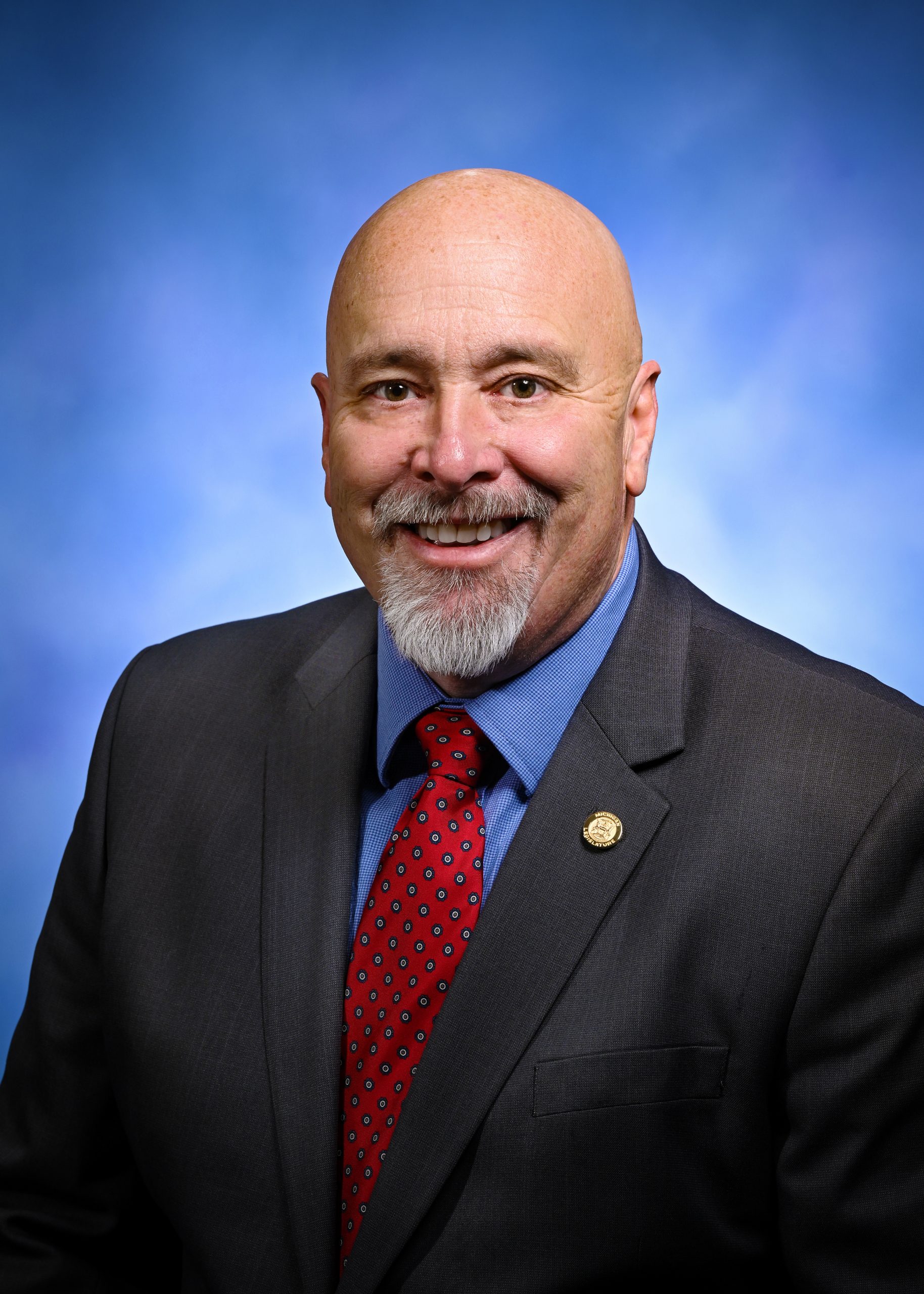
Rep. Steve Frisbie
Sponsored bills
Maddy summaryThis resolution designates June 11, 2026, as Sleep Deprivation Awareness Day throughout Michigan to highlight the importance of adequate rest. The bill does not alter laws or funding but serves as a symbolic gesture to encourage residents to reflect on their sleep habits and recognize the associated health and safety risks. By formally acknowledging the issue, the measure aims to raise public awareness about the dangers of insufficient sleep, particularly among adolescents and drivers.
Maddy summaryHB 5574 prohibits approaching within 25 feet of a first responder who is lawfully performing their duties after being verbally warned not to approach, if the person intends to interfere, threaten, or harass them. It directly affects individuals who target first responders (like police, firefighters, or EMTs) during emergency operations. Violations are misdemeanors punishable by up to 60 days in jail or $500 fines, but become felonies causing injury (up to 2 years) or death (up to 15 years), with fines up to $7,500. The law focuses on preventing direct obstruction or harm during critical incidents, not general public behavior.
Maddy summaryHB 5576 amends Michigan's sentencing guidelines to specifically address crimes targeting first responders. It adds intimidation or harassment of individuals based on their actual or perceived employment as a first responder (like police, firefighters, or EMTs) to the list of offenses that warrant enhanced sentencing. The bill changes Section 16t of the Michigan Code of Criminal Procedure (MCL 777.16t) to require courts to consider this factor when determining sentences for such crimes. This directly affects individuals convicted of threatening or harassing first responders, ensuring their actions are treated with greater severity under sentencing rules.
Maddy summaryHB 5575 defines specific terms related to harassment of first responders in Michigan law. It adds a new section to the penal code clarifying that "first responder" includes law enforcement officers, corrections officers, firefighters, and emergency medical personnel. The bill defines "harass" as intentionally causing substantial emotional distress through a course of conduct with no legitimate purpose. This creates a clear legal standard for prosecuting harassment against these public safety workers, directly affecting their protection under state law.
Maddy summaryHB 5387 amends Michigan's "Mozelle senior or vulnerable adult medical alert act" to specifically include "missing veterans at risk" in the definition of persons eligible for emergency alerts. The bill defines a "missing veteran at risk" as an active-duty service member or veteran reported missing with a documented physical or mental health condition. This change directly affects veterans who go missing and have health conditions, ensuring they are covered under the same alert protocols as seniors and vulnerable adults. The law does not create new procedures but clarifies who qualifies for existing emergency reporting mechanisms.
Maddy summaryHB 5536 updates Michigan's legal definition of "wetland" under the Natural Resources and Environmental Protection Act. It expands the definition to include features that are contiguous to the Great Lakes, over 5 acres in size, contain endangered species, or are designated as rare wetland types (like Great Lakes marshes or coastal fens). This change directly affects landowners, developers, and conservation groups by altering which areas require environmental review or mitigation for development. The bill also clarifies terms like "altered wetland" and "voluntary restoration projects" to guide land management practices.
Maddy summaryThis resolution officially designates June 2026 as Dairy Month in Michigan to recognize the state's significant dairy industry. The measure highlights the sector's economic contributions, including its role in food production, job creation, and public health through nutritious dairy products. By adopting this symbolic declaration, the legislature aims to celebrate the achievements of local dairy farmers and processors while promoting awareness of the nutritional benefits of dairy consumption.
Maddy summaryThis bill proposes renaming a specific section of Interstate 75 in Wayne County to honor Motor Carrier Officer Daniel M. Kerstetter. The designated stretch of road runs from Northline Road northward to London Avenue. By amending the Michigan Memorial Highway Act, the legislation formally establishes this new name for the roadway. The change directly affects the state's transportation records and signage along that portion of the highway.
Maddy summaryThis bill amends Michigan's tax administration laws to update procedures following the repeal of the state real estate transfer tax. It primarily affects taxpayers and the Department of Treasury by establishing a formal, step-by-step process for resolving tax disputes before an assessment is finalized. Key provisions require the department to send a non-intimidating inquiry letter before assessing taxes, offer taxpayers an informal conference to discuss contested amounts, and allow for a written settlement negotiation between the taxpayer and the state treasurer. Additionally, the legislation mandates that all tax audits be conducted according to specific professional standards, including confidentiality, technical training, and independence.