

Maddy summaryThis bill modifies Michigan's property tax rules to clarify how taxable values are calculated when property ownership transfers. It establishes that a property's taxable value resets to its current market value upon transfer, but then limits future annual increases to the lesser of 5% or the inflation rate until another transfer occurs. The legislation also defines specific scenarios where a transfer does not trigger a reset, such as when property is moved into a trust by a parent for their own children or grandchildren, provided the home remains residential. Additionally, it allows local tax officials to correct past valuation errors related to missed transfers for up to three years and clarifies rules for land contracts and certain bond-funded properties.
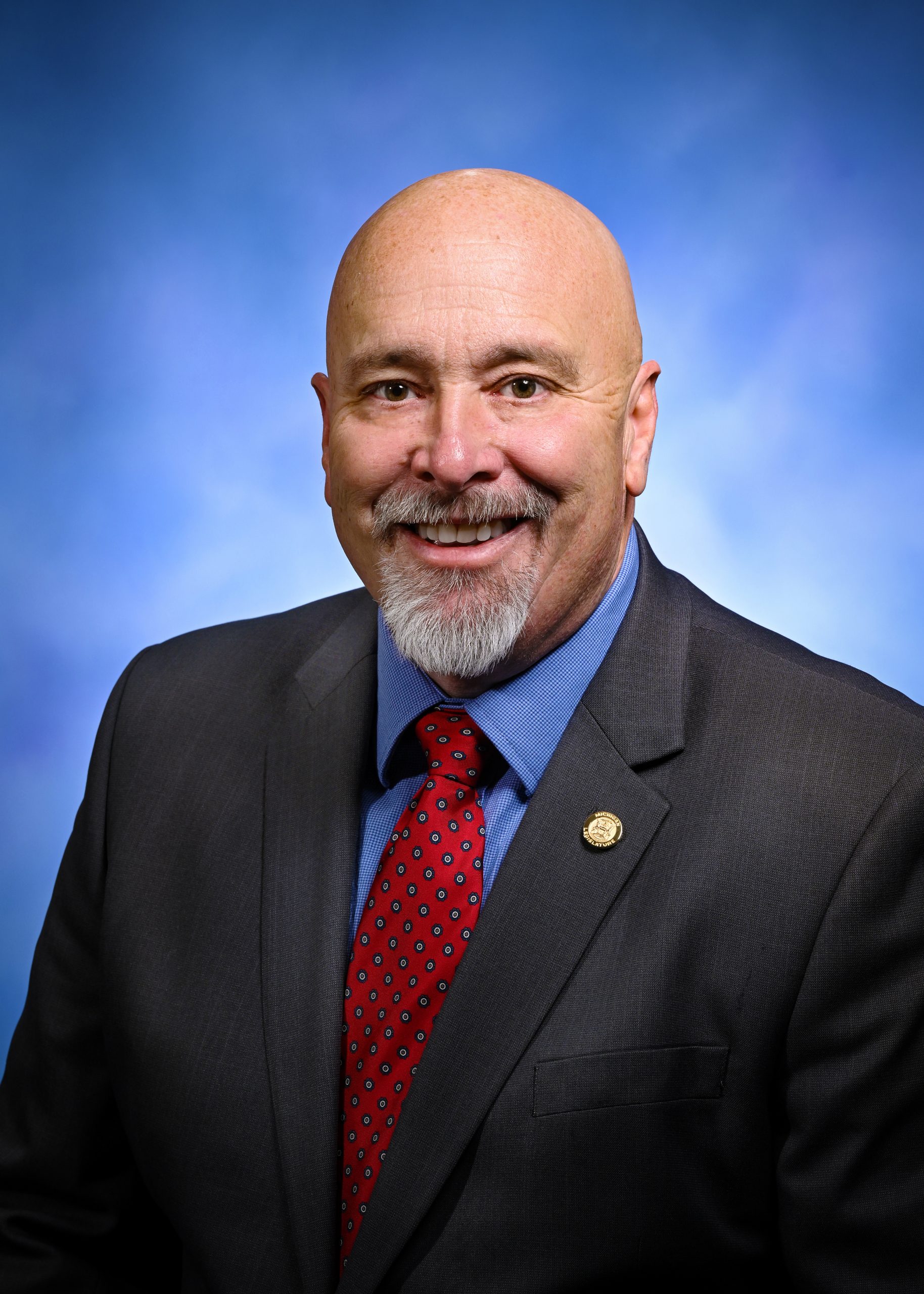
Rep. Steve Frisbie
Sponsored bills
Maddy summaryThis bill amends state law to update tax exemption rules for downtown development authorities in Michigan. It clarifies that these entities remain exempt from real estate transfer taxes even after the state real estate transfer tax act was repealed. The changes will only take effect if two other related bills are also enacted into law. Ultimately, the measure ensures these local economic development organizations do not face new transfer tax obligations on property instruments.
Maddy summaryHB 5878 eliminates the personal property tax in Michigan for all items that do not qualify for an existing specific exemption, effective for taxes levied after December 31, 2026. Owners of such property must annually file a statement with their local tax collector to claim this new exemption, while property that already has a designated exemption cannot be claimed under this new rule. The bill also requires local tax units to send summary data to the state Department of Treasury by April 1 each year to track the revenue impact of these new exemptions. This legislation directly affects business owners and individuals holding personal property by removing a tax burden on eligible assets, provided they complete the necessary filing requirements.
Maddy summaryThis bill repeals Michigan's state real estate transfer tax, which previously applied to the sale of property. It includes a provision to ensure that any resulting loss in state revenue is compensated by transferring funds from the state general fund to the school aid fund. The law will only take effect if a separate companion bill, HB 5880, is also passed.
Maddy summaryThis bill repeals Michigan's 1993 State Education Tax Act, which previously imposed a tax on property owners to fund public schools. The legislation is contingent upon the simultaneous passage of a companion bill (HB 5880) that mandates the state to use general funds to fully replace any revenue lost from eliminating the tax. If enacted, the change would remove the specific tax requirement while ensuring that school funding levels remain unchanged through state appropriation. The law is scheduled to take effect 90 days after it is signed into law.
Maddy summaryHB 5505 creates Michigan's Office of Digital Oversight within the legislature to improve state agency technology projects. The office investigates IT projects, services, and purchases by state agencies (like departments and commissions) that risk cost overruns or failure, and can collaborate on or take over such projects. It requires state agencies to provide necessary information for investigations and mandates the adoption of modern IT practices like agile development, open-source software, and user-centered design. The office must also study innovative procurement methods to deliver better digital services while protecting data privacy and accessibility. The bill is currently in committee referral after its initial introduction.
Maddy summaryHB 5504 proposes creating a State Digital Service Office within Michigan's Department of Technology, Management, and Budget. The office would review software projects costing $1 million or more, advise state agencies on modern development practices (like user-centered design and agile methods), and require annual reports on progress and cost savings. It directly affects state departments and agencies developing digital services, mandating collaboration with the new office for projects over $500,000 and requiring transparency through public reporting on outcomes like time saved and error reduction. The bill aims to improve digital service efficiency and user experience across state government.
Maddy summaryHB 5150 amends Michigan's Public Health Code to update licensing requirements for respiratory therapists. It modifies existing sections and adds new provisions (18710 and 18712) related to licensure eligibility, education standards, and scope of practice. The bill directly affects respiratory therapists seeking or maintaining their licenses in Michigan by changing specific regulatory requirements. These changes aim to modernize the licensure process within the state's healthcare framework. The bill was introduced on October 28, 2025, and referred to the Health Policy Committee.
Maddy summaryThis resolution designates May 21, 2026, as Stop the Bleed Day throughout Michigan to raise awareness about bleeding control. The bill encourages citizens to learn how to use tourniquets and apply direct pressure to stop life-threatening bleeding before emergency responders arrive. By officially recognizing this date, the state aims to promote a national campaign that trains bystanders to act quickly during traumatic injuries. The measure does not create new laws or funding but serves as a symbolic declaration to highlight the importance of immediate hemorrhage control.
Maddy summaryHB 5636 designates a specific segment of Telegraph Road (US-24 between 9 Mile Road and 14 Mile Road) as the "Deputy Claude Wilson Memorial Highway." This bill is purely commemorative, naming a roadway section in honor of Deputy Claude Wilson without altering any traffic laws, funding, or infrastructure. It amends Michigan's Memorial Highway Act by adding Section 123 to formally establish the highway name. The bill has been introduced but not yet acted upon by the Transportation and Infrastructure Committee.