

Maddy summaryHB 5331 prohibits state agencies, local governments, universities, community colleges, and other entities receiving state funds from purchasing certain drones. It extends the same drone purchase restrictions that apply to the federal government to these Michigan entities. The bill amends Michigan's Management and Budget Act to require these organizations to follow federal guidelines when acquiring drones with state money. This directly affects any state-funded organization that might otherwise buy drones for operations.
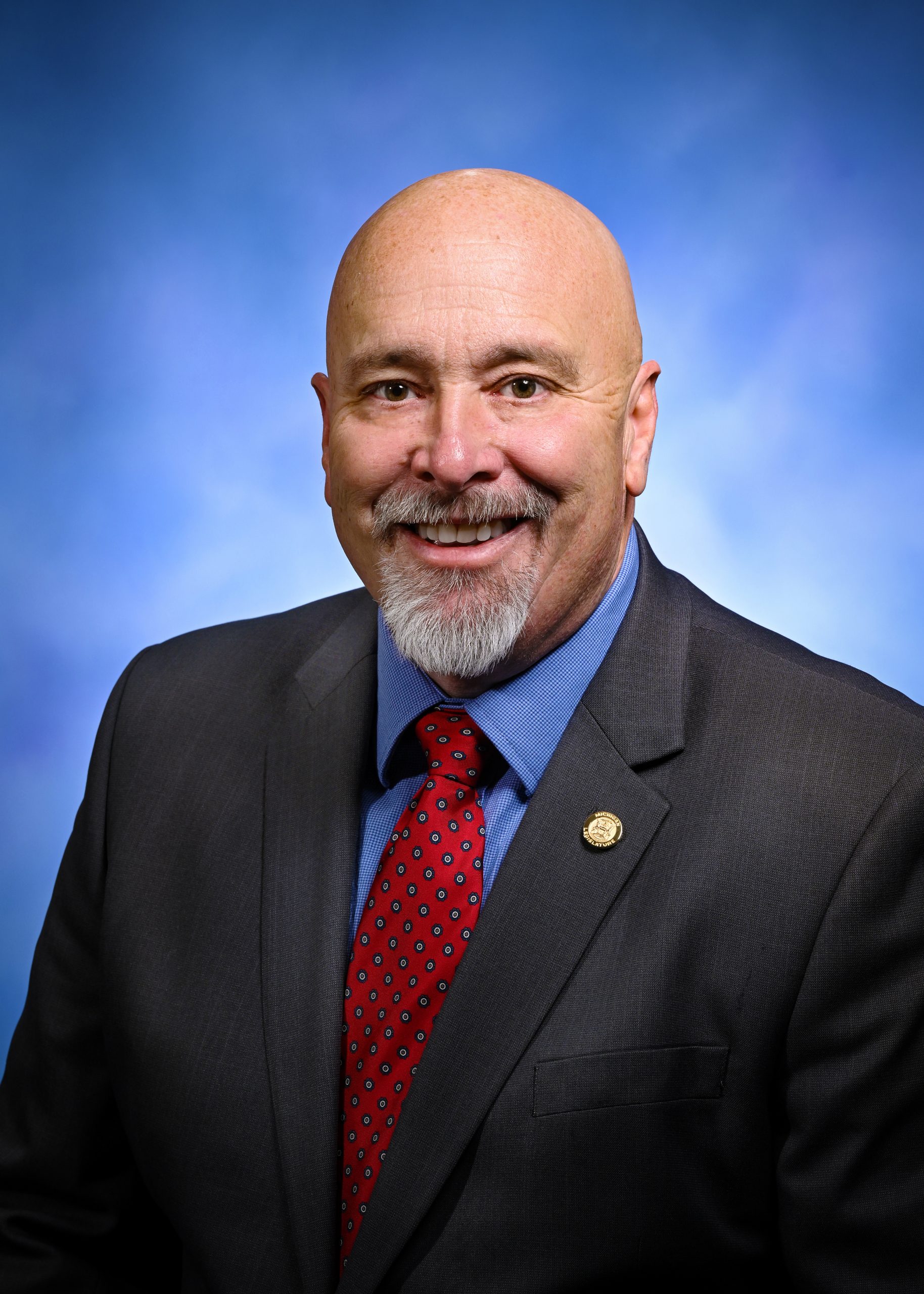
Rep. Steve Frisbie
Sponsored bills
Maddy summaryHB 5329 prohibits Michigan public entities (like state agencies, cities, schools, and counties) from purchasing or acquiring drones that include software developed by entities on three specific federal sanction lists. These lists include companies designated under the 2021 National Defense Authorization Act, the Chinese Military-Industrial Complex Sanctions List, and certain Commerce Department restrictions. The ban takes effect one year after the bill passes, with an exception for entities complying with existing Michigan drone regulations (2016 PA 436). This bill directly affects all government drone procurement decisions in Michigan by restricting purchases from targeted foreign manufacturers.
Maddy summaryThis bill requires the deputy secretary of state to take over as the chief election officer if the current secretary of state runs for another elected office. Under this change, the incumbent secretary would be barred from supervising or administering the election in which they are a candidate, though they would keep other duties like managing election audits. The deputy secretary would assume full supervisory control over local election officials during that specific election cycle.
Maddy summaryThis bill amends Michigan's Clean and Renewable Energy and Energy Waste Reduction Act to update definitions and requirements for renewable energy programs. It directly affects electric and natural gas providers, state agencies, and energy consumers by modifying how clean energy standards are calculated and how costs are recovered from customers. Key changes include redefining clean energy systems to include natural gas plants with carbon capture technology, establishing a wind energy resource zone board, and adjusting rules for customer generation and net metering. The legislation also updates provisions related to energy waste reduction programs and authorizes new residential energy improvement initiatives.
Maddy summaryThis bill requires electric, gas, and steam utilities in Michigan to consider all available energy sources when planning their integrated resource portfolios. It amends existing state laws governing utility rate-setting and planning processes to ensure comprehensive evaluation of different energy options. The legislation also establishes specific timelines for utility rate applications and includes provisions for partial rate relief motions for smaller gas utilities. Additionally, the bill repeals a specific section of the Public Service Commission Act related to stranded costs.
Maddy summaryHB 5074 changes renewal rules for temporary licenses held by mental health professionals (like marriage and family therapists and counselors) who are gaining supervised experience toward full licensure. It replaces the previous 6-year maximum renewal limit with a 3-year cycle, allowing up to three renewals (for a total of 12 years). The bill also adds a new provision (18111a) that lets licensees request a temporary pause ("toll") of their license cycle for up to 1 year due to hardships like health issues or family crises, with a maximum of three such requests per license cycle. This directly affects individuals working under supervision to meet full licensure requirements, providing flexibility for personal challenges while maintaining oversight.
Maddy summaryHB 5281, the "Third-Party Litigation Funding Transparency Act," regulates third-party funding of civil lawsuits by requiring funding companies to register with the state, disclose all terms to clients, and cap fees at 36% annually. It directly affects litigation funding companies and attorneys who use these services, mandating clear disclosure of costs and prohibiting hidden fees. The bill excludes pro bono nonprofits, health insurers, and traditional loans from its rules, focusing specifically on commercial funding arrangements where funders share in lawsuit proceeds. It establishes civil penalties for violations and gives state officials authority to enforce these requirements.
Maddy summaryThis bill creates a new Post-Traumatic Stress Injury Fund to provide disability benefits to specific first responders and public safety workers who develop PTSD from work-related traumatic events. It allows eligible individuals, such as firefighters, police officers, and 911 dispatchers with at least five years of service, to suspend claims against their employers and instead seek compensation from the fund if they meet the criteria. The legislation establishes a legal presumption that the PTSD arose from employment, which can only be overturned by clear and convincing medical evidence proving non-work-related causes or an incorrect diagnosis. Additionally, the bill sets strict timelines for processing claims, requiring hearings within 90 days and decisions within 30 days, while also defining which high-stress situations qualify as traumatic events.
Maddy summaryThis bill creates a new Post-Traumatic Stress Injury Fund within the state treasury to provide financial support for workers' compensation claims related to PTSD. The legislation establishes the fund's management structure, allowing the state treasurer to invest assets and the director to oversee audits and expenditures for approved claims and administrative costs. It mandates that any unpaid claims be prioritized for payment if the fund runs low and requires the director to notify the legislature if the money is projected to be insufficient within 60 days. Additionally, the bill mandates annual and quarterly reports to the legislature detailing claim statistics, payment amounts, and future cost estimates.
Maddy summaryThis bill removes the legal requirement for hunters and dealers in Michigan to report the number of deer pelts they possess or trade. While the law currently mandates that individuals holding licenses must submit notarized reports on all other fur-bearing animals and game birds, this legislation specifically exempts deer pelts from those reporting obligations. The change affects both hunters who keep pelts after the season and businesses that buy or sell them, allowing them to exclude deer pelts from their monthly and seasonal filings to the state department.