

Maddy summaryHB 4261 creates the Public Safety and Violence Prevention Fund within Michigan's trust fund system. It establishes the fund using money from the general sales tax (Section 25 of 1933 PA 167), donations, and investment earnings, with funds permanently staying in the account instead of lapsing to the general fund. Starting September 30, 2026, the state treasurer will distribute the fund’s revenues: 2% to health services for community violence intervention grants, 2% to crime victim funds, and the remainder based on each city/village/township’s violent crime rate (with a 5% reduction for areas not meeting crime reduction targets). This directly affects local governments receiving funds, the Department of Health and Human Services (administering grants), and crime victim programs.
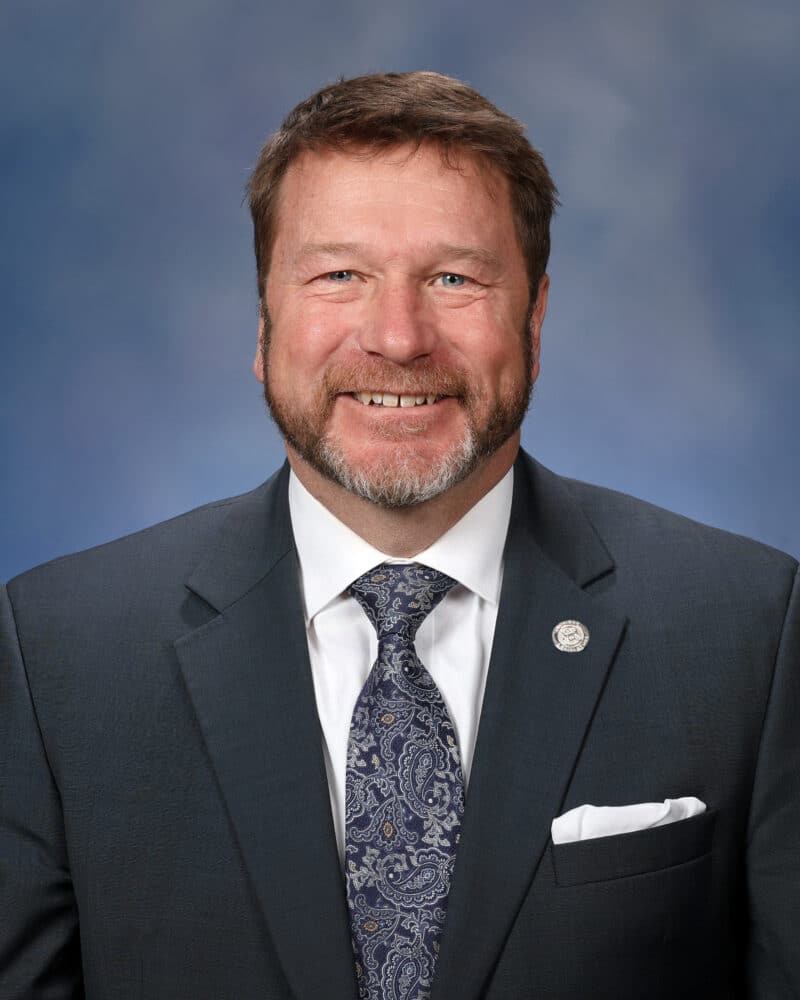
Rep. Matt Longjohn
Sponsored bills
Maddy summaryHouse Bill 4357 amends Michigan's election law concerning township officers. The bill modifies the official start date for the terms of office for these elected officials. Specifically, for township officers elected after December 31, 2024, their terms will commence at 12 noon on December 1 following their election, rather than the current November 20 start date. This change affects township officers and the administrative timing of their transition into office.
Maddy summaryHB 4360 modifies the start dates for terms of office for elected officials in Michigan's home rule villages. For village officers elected after December 31, 2024, their terms will begin at 12 noon on December 1 following their election, overriding any conflicting village charter provisions. The bill also specifies that individuals elected to fill a vacancy cannot take the oath of office until the election results have been certified.
Maddy summaryHouse Bill 4371, known as the "Safe Youth Sports Act," aims to establish safety standards for youth sports programs in Michigan, directly affecting youth athletes, coaches, and organizations that run these programs. It tasks the Institute for the Study of Youth Sports at Michigan State University, under the oversight of the Department of Health and Human Services, to approve and promote these safety standards and associated training programs. The bill outlines "basic standards" that mandate annual criminal background checks for adults with significant contact with youth, and requires coaches to complete training in CPR, AED, and concussion protocols. Additionally, it details "advanced standards" that include designating a safety manager and further training for coaches on topics like inclusivity, and establishes grant programs to help organizations, especially those serving low-income families, meet these safety requirements.
Maddy summaryHouse Bill 4329, titled the "medical debt act," aims to regulate how medical debt information is handled for Michigan residents. The bill prohibits consumer reporting agencies from including adverse medical debt information in consumer reports, with an exception for large credit transactions exceeding a specified principal amount. It also requires collection agencies to avoid misrepresenting that medical debt will be reported and to include a specific disclosure statement about these reporting limitations in their initial communications. Individuals can bring a civil action to seek remedies for alleged violations of the act.
Maddy summaryHB 4335 aims to increase the penalties for drivers who commit moving violations that cause physical injury or death to a "vulnerable roadway user." This legislation amends a section of the state's code of criminal procedure. The bill seeks to enhance legal consequences for drivers involved in such incidents, thereby affecting individuals found responsible for these violations and aiming to provide greater protection for vulnerable individuals using roadways.
Maddy summaryHouse Bill 4334 proposes to enhance penalties for drivers who commit moving violations that result in physical injury or death to vulnerable roadway users. The bill amends several sections of the Michigan Vehicle Code (1949 PA 300) and adds new sections to implement these stricter consequences. Its aim is to increase accountability for drivers whose actions lead to harm for pedestrians, bicyclists, or other vulnerable individuals on the road.
Maddy summaryHB 4325 proposes to adjust and supplement state appropriations for various state departments and agencies for the fiscal year ending September 30, 2025. A key provision within this bill is to provide specific funding for the purpose of marketing the attorney general's payroll fraud division. The bill also establishes conditions on how these appropriations can be used and spent.
Maddy summaryHouse Bill 4318 increases the penalties for employers who intentionally fail to pay wages and fringe benefits owed to their employees. It establishes a tiered system where the severity of the punishment depends on the total value of the unpaid wages and benefits. For smaller amounts, employers could face misdemeanor charges with fines and imprisonment. However, for larger unpaid amounts or repeat offenses, employers could face felony charges, with significantly higher fines up to three times the unpaid amount and potential imprisonment for up to 20 years. This bill directly affects employers and their employees and will take effect 90 days after enactment.
Maddy summaryHB 4319 proposes to amend Michigan's code of criminal procedure. The bill aims to establish new sentencing guidelines specifically for violations related to the payment of wages and fringe benefits. If enacted, this would provide courts with specific guidance when sentencing individuals or entities found guilty of these types of offenses. The bill is tied to HB 4318'25, indicating it is part of a broader legislative package.