

Maddy summaryHB 4320 amends Michigan's Improved Workforce Opportunity Wage Act, which addresses employee hours and wages. The bill primarily affects employees who file claims alleging wage violations and the state agency responsible for investigating these claims. It adds a new provision stating that if an employee requests it, the state director (or their designee) investigating a wage claim must not disclose the employee's identity to the employer, to the extent allowed by law. This aims to protect the anonymity of employees reporting potential wage violations.
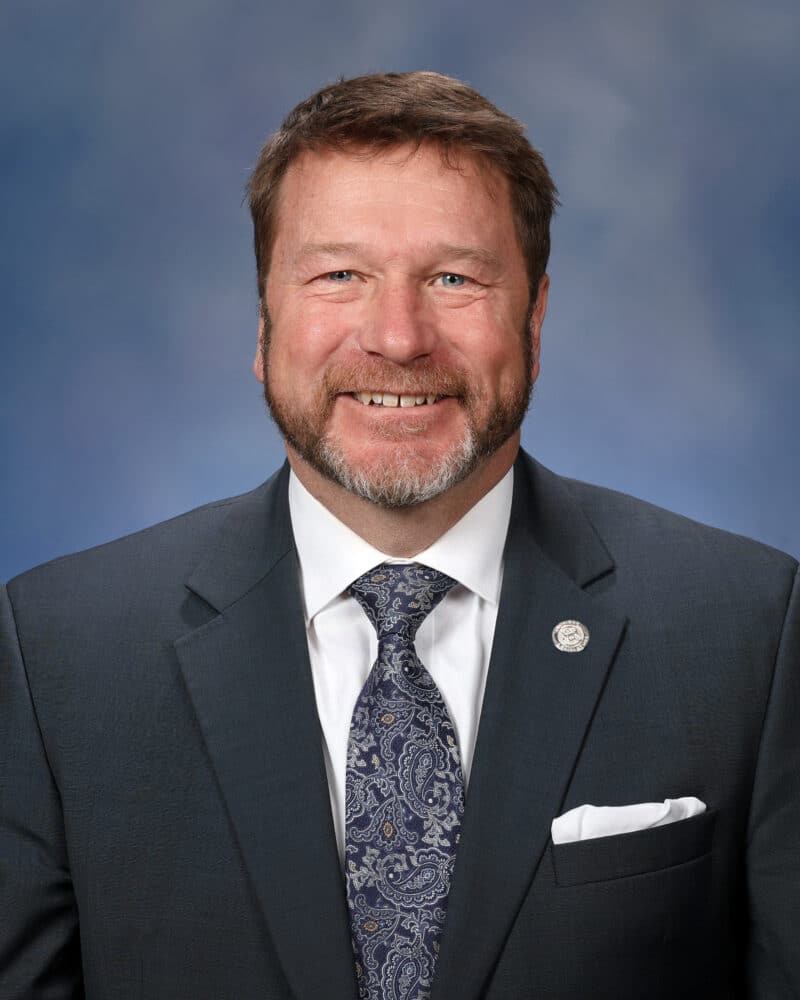
Rep. Matt Longjohn
Sponsored bills
Maddy summaryHouse Bill 4321 proposes an amendment to the existing law governing the payment of wages and fringe benefits to employees. This bill introduces a new provision that allows employees to request that their identity be withheld from their employer when filing a complaint about alleged wage or benefit violations. If such a request is made, the Department of Labor is prohibited from disclosing the employee's identity to the employer, to the extent allowed by law. This change directly affects employees who file complaints by offering them potential anonymity, and employers who will receive complaints without knowing the specific employee's identity if requested.
Maddy summaryHB 4323 proposes amendments to Michigan's Whistleblowers' Protection Act, aiming to expand protections for individuals reporting violations of state, local, or federal law. The bill broadens the definition of "employee" to include independent contractors and certain prospective employees, and adds refusing to participate in a violation as a protected activity. It extends the time limit for filing a civil action to two years and increases the civil fine for employers who violate the act from $500 to $10,000. Additionally, the bill introduces a mechanism to award the first reporting employee 30% of any money the state recovers as a result of their report.
Maddy summaryHB 4317 increases the financial penalties for Michigan employers who violate laws regarding the payment of wages and fringe benefits to their employees. It raises the annual penalty rate on unpaid wages and benefits from 10% to 100% once a complaint is filed. For flagrant or repeated violations, the bill increases the maximum exemplary damages an employer could be ordered to pay from twice to three times the amount owed. Additionally, the maximum civil fine that can be assessed against an employer for violating the act would increase from $1,000 to $10,000.
Maddy summaryHouse Bill 4324 requires the Michigan Department of Treasury to provide taxpayers with information regarding the classification of individuals as employees or independent contractors. Starting with the 2025 tax year, the annual income tax instruction booklet must include a page explaining the rules and factors for this classification. This page will also provide contact information for reporting suspected payroll fraud to the Department of Labor and Economic Opportunity and the Attorney General. Additionally, the department will send a direct notice containing this information to each individual reported on a Form 1099-MISC filed with the state. The bill aims to inform individual taxpayers about worker classification and provide resources for reporting potential misclassification.
Maddy summaryHouse Bill 4316 creates the Office of the State Employee Ombudsman within the legislative council. This new office is tasked with investigating complaints from state employees regarding suspected violations of law, conduct endangering public health or safety, or gross mismanagement of public funds by state departments and agencies. The ombudsman can initiate investigations or respond to complaints, accessing agency records and holding informal hearings. The bill establishes procedures for complaint processing, confidentiality, and requires the ombudsman to issue reports with findings and recommendations to both complainants and the legislative council.
Maddy summaryHouse Bill 4322 amends Michigan's wage and fringe benefits act, primarily addressing the misclassification of employees as independent contractors, which affects both employers and individuals performing work. The bill establishes a new legal definition for "independent contractor" and explicitly prohibits employers from classifying, reporting, or treating an employee as an independent contractor, placing the burden of proof on the alleged violator. It significantly increases penalties for misclassification, including a 100% annual penalty on unpaid wages and benefits, up to triple exemplary damages, and a civil fine up to $10,000. For misclassification violations, 50% of collected penalties and damages will be paid to the affected employee, and a new "wages and fringe benefits fund" is created to support enforcement.
Maddy summaryHouse Bill 4327 proposes a new "false claims act" to establish civil penalties and remedies against individuals or entities that knowingly present false or fraudulent claims to obtain money, property, or services from the state or local governments. The bill defines what constitutes a false claim and outlines specific prohibited acts, such as making false records or conspiring to defraud. It imposes civil penalties ranging from $6,000 to $12,000, plus up to three times the damages sustained by the government. The bill also includes provisions to protect individuals who report such false claims and allows private citizens to initiate actions under certain circumstances.
Maddy summaryHouse Bill 4326 amends Michigan's Whistleblowers' Protection Act to expand the types of disclosures protected from employer retaliation. It prohibits employers from discharging or discriminating against employees who report a violation or suspected violation of law to "the press" or "the state employee ombudsman." The bill also protects employees who are asked to participate in investigations by a public body or the state employee ombudsman. It clarifies that "employee" includes state employees (excluding the state classified civil service) and outlines civil action procedures for alleged violations.
Maddy summaryHouse Resolution No. 59 declares April 11-17, 2025, as Black Maternal Health Week in the state of Michigan. This resolution encourages Michigan residents to observe the week with programs and activities that promote awareness, education, and action in support of Black maternal health.