

Maddy summaryHB 4390 expands Michigan's vehicle code to allow testing of oral fluid (such as saliva) for controlled substances, alongside blood, breath, or urine, when determining impairment. It directly affects commercial drivers who refuse chemical tests for controlled substances or alcohol while operating commercial vehicles. The bill adds a new definition of "other bodily fluid" to include oral fluid and creates a process for "preliminary oral fluid analysis" conducted by certified experts at the scene. This change updates existing suspension rules for commercial drivers who refuse testing, ensuring consistent enforcement for controlled substances alongside alcohol. The policy change specifically targets commercial motor vehicle operators who decline chemical tests for drugs or alcohol.
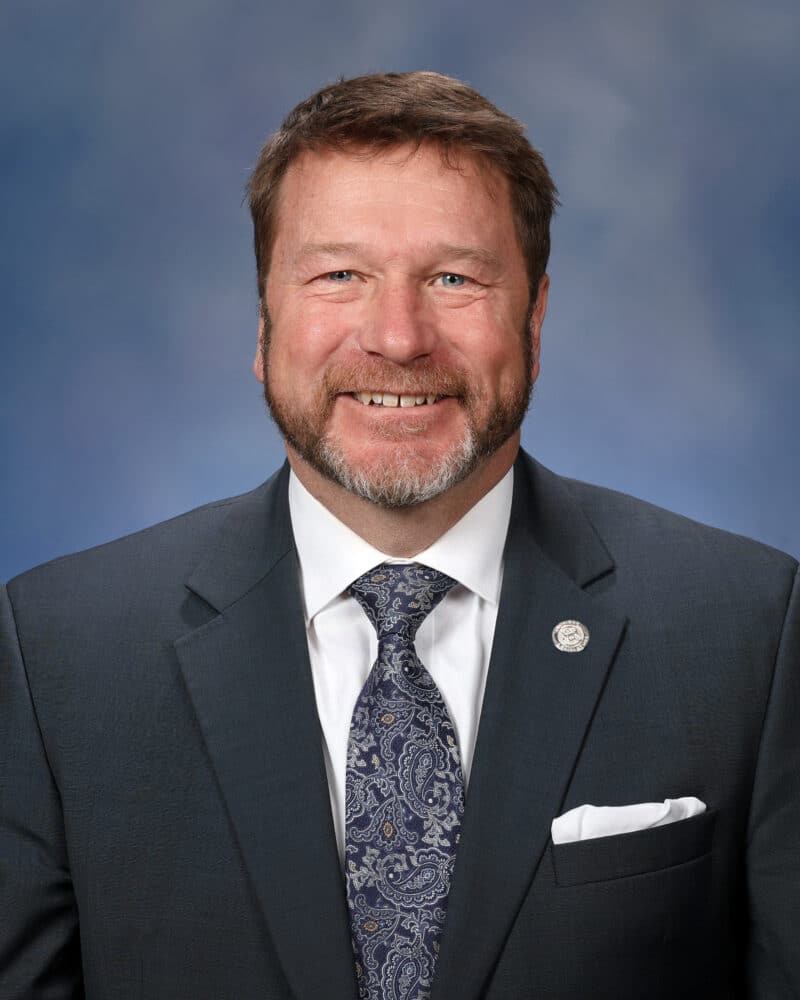
Rep. Matt Longjohn
Sponsored bills
Maddy summaryHB 4391 expands Michigan's vehicle code to allow law enforcement to test for intoxication using other bodily fluids beyond blood or breath, such as urine or saliva. It directly affects drivers suspected of operating a vehicle while impaired, updating sections 625a, 625c, and 625g of the 1949 Michigan Vehicle Code (MCL 257.625a et seq.). The bill amends existing testing methods to include these additional fluids, providing more flexibility for officers during DUI investigations. The bill passed the Michigan House on July 17, 2025, with immediate effect.
Maddy summaryHB 4685 requires Michigan health insurers to cover specific mental health services delivered through the psychiatric collaborative care model, directly affecting insurers offering mental health benefits and patients seeking these services. The bill mandates reimbursement for services using five designated billing codes (90844, 99492, 99493, 99494, G2214), which represent evidence-based integrated care for mental health and substance use disorders. Insurers may still deny coverage based on medical necessity only if they follow federal parity laws and utilization review rules. The law defines the "psychiatric collaborative care model" as an evidence-based service delivery method described in federal regulations (81 FR 80230). The bill does not alter existing coverage requirements beyond these specific codes.
Maddy summaryHB 4683 requires Michigan health insurers to cover medically necessary mental health and substance use disorder treatments (including inpatient, intermediate, and outpatient care) without restrictive prior authorization practices. It mandates that insurers use clinical review criteria aligned with generally accepted medical standards, rather than arbitrary rules, when evaluating these services. The bill also prohibits insurers from making mental health coverage terms less favorable than those for other medical treatments. This directly affects health insurers operating in Michigan and patients seeking mental health or substance use disorder care through their insurance plans.
Maddy summaryHB 4684 requires Michigan health insurers to create and submit a plan ensuring coverage for a broad range of pain management services, including nonopioid medications and nonmedication alternatives to opioids. The plan must be filed with the state insurance department for approval, which will review whether the plan adequately covers alternatives to opioids without unduly favoring opioid prescriptions. Insurers must also distribute educational materials to network providers and post the plan on their public website. This bill directly affects all health insurers operating in Michigan who issue, deliver, or renew health insurance policies in the state.
Maddy summaryHB 4675 requires Michigan's education department to develop and share a list of optional cursive handwriting instruction programs for public schools by June 2027. Starting in the 2026-2027 or 2027-2028 school year, school districts and public school academies are encouraged - but not required - to incorporate one of these model programs into their curriculum. The bill aims to support schools in meeting existing credit requirements under Michigan’s merit standards by offering cursive instruction as a voluntary option. It directly affects Michigan public schools by providing resources for optional handwriting education, without mandating changes to current standards.
Maddy summaryHB 4686 would allow adults with a diagnosed PTSD to legally create, possess, or use psilocybin or psilocin under strict conditions. It directly affects individuals aged 18+ who have a medical record confirming a PTSD diagnosis. The bill permits possession of up to 2 ounces for personal use only, exempting these activities from existing prohibitions under Michigan’s Public Health Code (sections 7401, 7403, and 7404). This is limited to medical use for PTSD and does not permit commercial activity or broader access.
Maddy summaryHR 138 is a symbolic resolution introduced by Michigan House representatives to declare June 2025 as Lesbian, Gay, Bisexual, Transgender, and Queer Pride Month in the state. It does not create new laws or policies but formally recognizes the historical significance of LGBTQ+ rights movements, including the Stonewall Riots and key legal victories like Obergefell and Bostock. The resolution aims to affirm Michigan's support for LGBTQ+ communities and their contributions to the state's cultural and economic vitality. This declaration directly affects all Michiganders by officially honoring Pride Month through state-level recognition.
Maddy summaryThis resolution officially designates June 27, 2025, as National PTSD Awareness Day in Michigan. It encourages Michigan residents to learn about PTSD, reduce stigma, and support those affected - including veterans, first responders, and trauma survivors - while aligning with the existing U.S. Senate observance honoring Staff Sergeant Joe Biel. The bill has no new funding or legal requirements; it is a symbolic gesture to promote awareness and compassion.
Maddy summaryHB 4661 creates a grant program to help Michigan law enforcement agencies modernize communication with crime victims using text messages, emails, and multilingual support. It requires agencies to provide automated updates (like arrest notifications or case status changes) without requiring victims to download apps or create accounts. The bill establishes a fund to distribute grant money to state/local agencies, law enforcement, or local governments that meet specific standards for transparent, efficient communication. These standards include real-time notifications, community feedback tools, and multilingual messaging options accessible through simple email or text. The law directly affects crime victims receiving updates and agencies managing victim communication systems.