

Maddy summaryThis bill establishes the Michigan Voting and Elections Database and Institute by repealing an older act and creating a new entity to manage election data. The institute will be a partnership between the Secretary of State and public research universities, with the university selecting the director and funding most operations while the state covers initial setup costs. Its primary functions include collecting, archiving, and providing free public access to a wide range of nonpartisan election data, such as precinct-level results, voter registration lists, polling place locations, and district maps. The database must maintain this information for at least 12 years before public release and permanently for archival purposes, while also offering research, training, and technical assistance to local governments and scholars. Additionally, the bill mandates that the institute implement cybersecurity standards comparable to those used by the state's technology department.
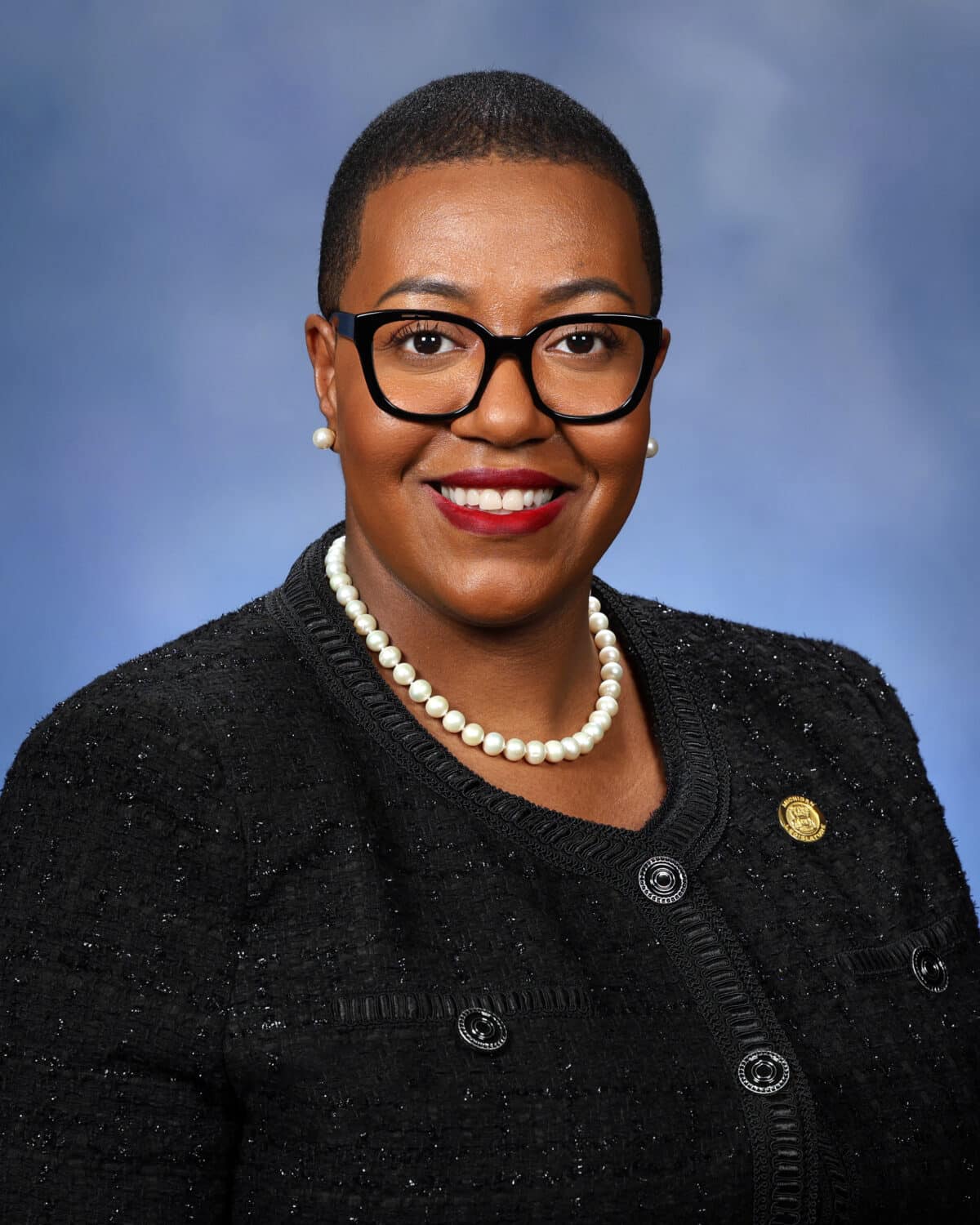
Rep. Morgan Foreman
Sponsored bills
Maddy summaryThis bill creates a new Post-Traumatic Stress Injury Fund to provide disability benefits to specific first responders and public safety workers who develop PTSD from work-related traumatic events. It allows eligible individuals, such as firefighters, police officers, and 911 dispatchers with at least five years of service, to suspend claims against their employers and instead seek compensation from the fund if they meet the criteria. The legislation establishes a legal presumption that the PTSD arose from employment, which can only be overturned by clear and convincing medical evidence proving non-work-related causes or an incorrect diagnosis. Additionally, the bill sets strict timelines for processing claims, requiring hearings within 90 days and decisions within 30 days, while also defining which high-stress situations qualify as traumatic events.
Maddy summaryThis bill creates a new Post-Traumatic Stress Injury Fund within the state treasury to provide financial support for workers' compensation claims related to PTSD. The legislation establishes the fund's management structure, allowing the state treasurer to invest assets and the director to oversee audits and expenditures for approved claims and administrative costs. It mandates that any unpaid claims be prioritized for payment if the fund runs low and requires the director to notify the legislature if the money is projected to be insufficient within 60 days. Additionally, the bill mandates annual and quarterly reports to the legislature detailing claim statistics, payment amounts, and future cost estimates.
Maddy summaryThis bill amends Michigan's enhanced driver license and identification card laws to allow individuals to voluntarily include a "communication impediment" designation on their ID. The designation is intended for people with conditions like deafness or autism that may hinder communication with police officers. Under the new rules, law enforcement personnel with authorized access to a specific state network would be able to view this designation. The bill also clarifies privacy protections, ensuring that Social Security numbers and other personal data are not printed on the front of the card. Additionally, it establishes procedures for the Secretary of State to cancel or revoke this designation if the underlying health condition no longer exists, following a notice and hearing process for the cardholder.
Maddy summaryHB 5949 creates a new program allowing vehicle owners in Michigan to request a free 'communication impediment' decal for their windshield or license plate. This decal signals that the driver or a household member has a condition, such as deafness or autism, that might make communicating with police during a traffic stop difficult. To qualify, owners must submit a certification from a licensed medical professional confirming the communication barrier. The bill also updates existing vehicle registration laws to include a digital designation in state records for these individuals, while establishing penalties for fraud and procedures for revoking the designation if abuse is suspected.
Maddy summaryThis bill declares April 24, 2026, as Armenian Genocide Remembrance Day in the state of Michigan. It is a commemorative resolution that does not change laws or affect daily operations, but instead formally recognizes the date to honor victims of the 1915-1923 Armenian Genocide. The measure builds on Michigan's existing 2002 recognition of the genocide and aims to promote awareness and remembrance within the state.
Maddy summaryThis bill designates the week of May 4-8, 2026, as Teacher Appreciation Week throughout Michigan. It directly affects teachers, students, parents, and the general public by encouraging them to recognize and thank educators for their contributions. The resolution contains no new laws or funding, but rather serves as a formal declaration to honor the teaching profession.
Maddy summaryThis resolution officially designates May 2026 as Jewish American Heritage Month within the state of Michigan. It aims to honor the history, culture, and contributions of American Jews to the state and the nation. The measure does not change laws or create new programs but serves as a formal declaration of recognition.
Maddy summaryThis bill requires health insurance companies in Michigan to cover infertility treatments starting January 1, 2027. It mandates coverage for diagnostic care, fertility treatments, and preservation services, including up to four complete egg retrievals with unlimited embryo transfers. The law prohibits insurers from imposing different deductibles, waiting periods, or limits on infertility benefits compared to other medical services, and it ensures coverage regardless of the patient's age, gender identity, or use of donor gametes or surrogates.
Maddy summaryThis bill creates the Michigan PFAS action response team (MPART), a new state entity dedicated to addressing contamination from PFAS chemicals, commonly known as 'forever chemicals.' The team will be composed of directors from various state departments, including environmental protection and health services, who will work together to identify affected sites, develop cleanup plans, and coordinate public health responses. MPART is authorized to conduct investigations, hire experts, share information with local and federal agencies, and recommend changes to existing laws to better manage environmental and public safety threats related to PFAS.