

Maddy summaryHB 4493 amends Michigan's Food Law (MCL 289.4105) to expand licensure exemptions for food businesses. It specifically adds "certain disabled individuals" to the list of entities exempt from standard food establishment licensing requirements. This change allows disabled individuals operating qualifying food businesses - such as those selling whole fruits/vegetables or unprocessed products - to avoid full licensure under the same conditions as existing exemptions. The bill modifies Section 4105's existing exemption framework without altering other provisions or creating new regulatory burdens.
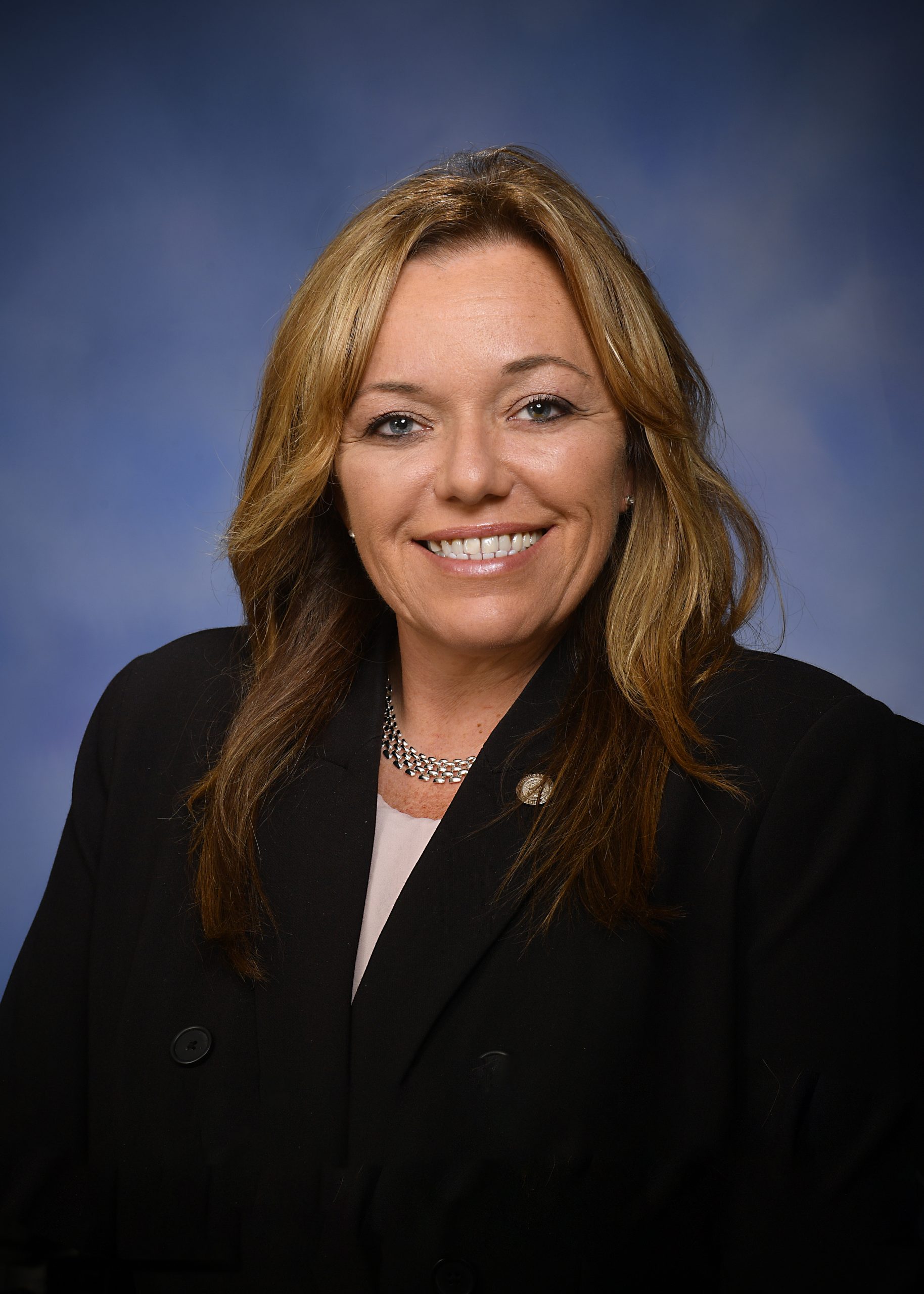
Rep. Jamie Thompson
Sponsored bills
Maddy summaryHB 4122 amends Michigan's food code to clarify requirements for cottage food operations, which are small-scale home-based businesses making non-potentially hazardous foods like baked goods and jams. The bill specifically updates definitions in Section 1105 to clarify rules about nonnutritive substances in confectionery products (e.g., candy), ensuring such substances must serve a functional purpose and not deceive consumers. It modifies existing safety standards to specify that nonnutritive objects embedded in candy must not make the product unsafe or misleading. These changes directly affect Michigan cottage food businesses and their compliance with labeling and safety regulations.
Maddy summaryHB 4285 requires Michigan schools to offer firearm safety instruction for students in grades 6-12 by September 2025. The state must create a model program (based on existing hunter safety standards) covering safe handling, cleaning, firearm types, and hunting practices, taught by certified instructors - **without bringing firearms into school buildings**. Schools may offer this as an optional extracurricular class or integrate it into existing courses, and students or parents may opt out without penalty. Completing the program counts toward the hunter safety certification needed for a hunting license. The bill directly affects all Michigan public schools and students in grades 6-12.
Maddy summaryHB 4836 amends Michigan's state school aid law to add an opt-out option for the workforce readiness assessment portion of the Michigan Merit Examination. Beginning in the 2025-2026 school year, students in grades 11 and 12 may elect not to take this assessment through a parent/guardian-signed waiver submitted by February 28. The bill requires the state to provide schools with an informational letter about the assessment's purpose, developed with input from business, manufacturing, and skilled trades representatives. This change directly affects Michigan high school students required to take the Michigan Merit Examination, specifically regarding the workforce readiness component.
Maddy summaryHB 4595 amends liquor licensing rules to allow specially designated merchant and distributor licenses in locations previously restricted, such as certain convenience stores or restaurants. This directly affects businesses seeking to sell liquor in new areas under the current law. The key change removes location barriers for these specific license types, expanding where such operations can occur. The bill passed the House in September 2025 with strong support (90-7).
Maddy summaryHB 5078 designates a specific segment of M-22 in Leelanau County (from North Stallman Road to North Putnam Road) as the "Company K Indian Veterans 1st Michigan Sharpshooters Civil War Memorial Highway." The bill amends Michigan's Memorial Highway Act to add this official name, directly affecting signage and official records for that highway stretch. It is a purely commemorative measure with no policy changes or funding mechanisms, solely honoring the Civil War unit known as the 1st Michigan Sharpshooters.
Maddy summaryHB 5406 would prohibit Michigan health insurers from covering organ transplants if the procedure occurs in China or another country designated by the Michigan Department of Health and Human Services as engaging in forced organ harvesting, or if the organ originated from such a country. It applies to all health insurance policies issued or renewed in Michigan and requires the health department director to designate which countries fall under this prohibition. The bill defines "forced organ harvesting" as organ removal through coercion, abduction, deception, or abuse of power. This policy change would directly affect patients seeking transplants involving organs from designated countries and insurers offering coverage for such procedures.
Maddy summaryHB 5420 requires Michigan hospitals to include tests for specific substances in drug screens when diagnosing a drug overdose. It mandates that hospitals report anonymous test results to the Department of Health and Human Services (MDHHS), with results kept confidential and exempt from public disclosure. The MDHHS will define the list of "qualified substances" through rules (to be created within 180 days) and use the data to track trends and risk factors. This bill directly affects hospitals conducting overdose-related drug screens and the MDHHS, which will manage the reporting system and annual review of substances.
Maddy summaryHB 5363 requires Michigan public schools to notify parents in advance if their child’s class covers topics like gender identity, sexual orientation, or relationships, and allows parents to opt their child out without penalty. It mandates that schools form parent-led advisory boards (with at least half non-school-employed parents) to review curriculum and report on program goals. The bill also requires public hearings before changing sex education materials and emphasizes abstinence as a primary method for preventing pregnancy and STDs. This directly affects public school students, parents/guardians, and school districts in Michigan.
Maddy summaryHB 5362 is a supplemental budget bill that allocates additional state funds to the University of Michigan for its operations during the 2024-2025 fiscal year. It modifies existing state appropriations by designating specific supplemental funding for the University of Michigan, without creating new programs or altering the university's structure. This bill directly affects the University of Michigan's budget, providing it with additional resources from the state's general fund for the upcoming fiscal year. The bill is procedural in nature, focusing solely on the allocation of existing state funds rather than establishing new policies.