

Maddy summaryThis resolution (HR 245) symbolically declares February 2026 as National Teen Dating Violence Awareness and Prevention Month and February 10, 2026, as National Teen Dating Violence and Prevention Day in Michigan. It does not create new laws or allocate funding but aims to raise public awareness about teen dating violence. The resolution cites CDC data showing high rates of physical, sexual, and psychological violence among teens, including 44.3% experiencing at least one form of violence. It directs Michigan residents and communities to recognize these dates to support prevention efforts, though it has no binding policy requirements.
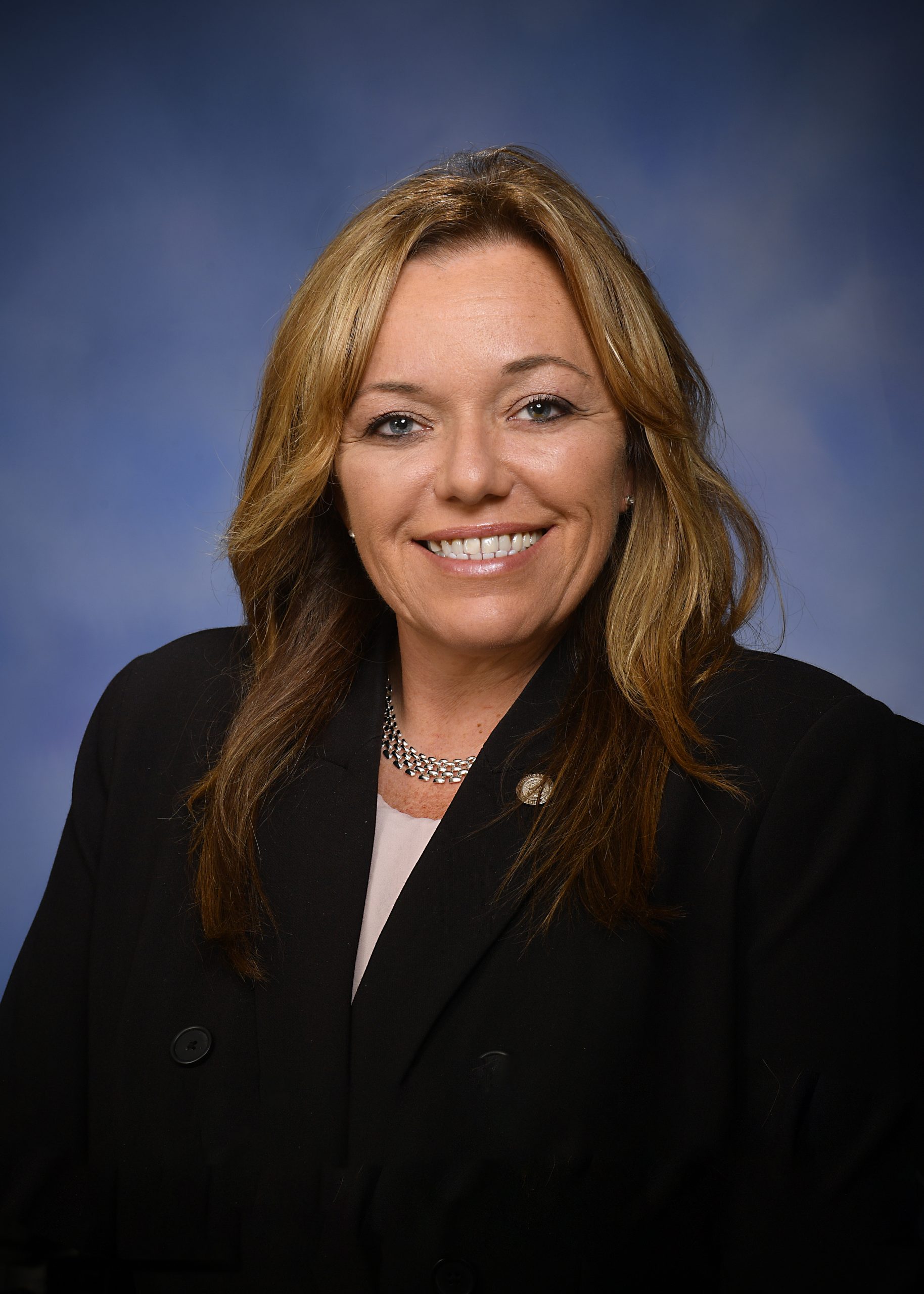
Rep. Jamie Thompson
Sponsored bills
Maddy summaryThis resolution symbolically declares February 2026 as American Heart Month and February 6, 2026, as National Wear Red Day within Michigan. It aims to raise public awareness about heart disease - particularly its disproportionate impact on women, including Black and Hispanic women - and encourages actions like learning heart health risk factors. The resolution does not create new laws or obligations; it is a non-binding declaration to support existing awareness efforts like the American Heart Association's "Go Red for Women" campaign. It directly affects Michigan residents through state recognition of these national observances.
Maddy summaryHB 4418 updates Michigan's probate law to clarify how patients can designate a healthcare surrogate when they cannot make decisions themselves. It adds a new process for formally naming a surrogate (replacing the previous method) and removes an outdated section from older law. This directly affects patients without existing advance directives and their families by providing a clearer, more modern way to appoint someone to make medical decisions for them.
Maddy summaryHB 4419 adds legal protections to Michigan's health care decision-making framework. It shields health care providers and facilities from liability when following decisions made by a legally designated patient surrogate or advocate, as long as they act in good faith. The bill also protects surrogates and advocates from liability for good-faith health care decisions they make. Providers who intentionally violate these rules face minimum damages of $1,000, while those who falsify or tamper with a patient's health care directive designation face minimum damages of $2,500. This directly affects patients with advance directives, their designated surrogates, and medical providers.
Maddy summaryThis resolution declares January 18-24, 2026, as "Sanctity of Human Life Week" in Michigan. It encourages citizens to reflect on the value of human life, support women and families, and strengthen a "culture of life" through symbolic recognition. The bill does not create new laws, alter policies, or directly affect any specific group or program. It is a ceremonial declaration with no binding requirements or funding mechanisms.
Maddy summaryHB 4692 creates a new license for "secondary school facilities" that provide cosmetology training in separate classroom settings, directly affecting cosmetology schools and their associated training locations. These facilities must not offer public services or contain equipment like hair-drying chairs, must be staffed by licensed instructors with 3+ years' experience, and require detailed floor plans and department inspections. License holders must display their license and instructor credentials visibly, and the license becomes void if ownership changes or the location shifts, requiring a new application. The bill also mandates the department to create implementing rules within 18 months of enactment.
Maddy summaryHB 4486 prohibits Michigan municipalities from banning natural gas use or the installation of natural gas infrastructure, directly affecting cities, towns, counties, and townships. The bill makes any local ordinance, resolution, or policy that restricts natural gas use or infrastructure void and unenforceable starting from its effective date. It specifically targets bans on residential, commercial, or industrial natural gas applications and related infrastructure like pipelines. This legislation ensures that local governments cannot block natural gas services or new installations within their jurisdictions.
Maddy summaryHB 5445 modifies Michigan's family court structure by requiring judicial circuits to establish family divisions with sufficient judgeships based on caseloads. It allows judges handling over 50% family cases to request permanent family division status and mandates that all circuits update family court plans by 2028 to specify judge assignments, confirm required training, and ensure judges develop expertise in family law. The plans must coordinate court services with agencies to improve efficiency for families involved in cases like child custody or domestic relations. These changes directly affect circuit court judges and the handling of family-related legal matters across Michigan.
Maddy summaryHB 5447 modifies Michigan's probation rules to allow eligible individuals to seek early termination from probation. It permits probationers to apply for early discharge after completing half their original probation term (for both felonies and misdemeanors), provided they've completed required programming and made good-faith efforts to pay fines/fees. The bill prohibits disqualification solely due to unpaid financial obligations but excludes certain offenses like domestic violence (MCL 750.81/81a), sexual assault, or drug crimes from early discharge eligibility. Courts must consider victim input in cases involving specific offenses and report annual early discharge data to legislative committees.
Maddy summaryHB 5446 modifies Michigan's Public Health Code to clarify how naturopathic doctors may use professional titles and expand their practice authority. It requires naturopathic doctors to specify "of naturopathic medicine" when using "doctor" titles (e.g., "Dr. Jane Smith, of naturopathic medicine"). The bill also adds a provision requiring the state to set annual fees for naturopathic licensure to cover administrative costs. Additionally, it explicitly includes "licensed doctor of naturopathic medicine" in the definition of "prescriber," allowing them to prescribe medications under the same framework as other licensed health professionals. These changes directly affect naturopathic doctors seeking licensure or practicing in Michigan.