

Maddy summaryThis bill creates a new corporate income tax credit for Michigan employers who train apprentices and employ students in career and technical education programs. Starting in 2026, eligible businesses can receive tax credits covering up to 50% of certain training expenses or $2,000 per apprentice or student, with small businesses under 50 employees receiving an additional 10% bonus credit. The credit applies to qualified expenses such as wages, benefits, and classroom instruction costs, and any unused portion can be refunded to the taxpayer. Additionally, the bill requires the state Department of Labor to annually report on program participation, employment outcomes, and the fiscal impact of the credits to legislative committees.
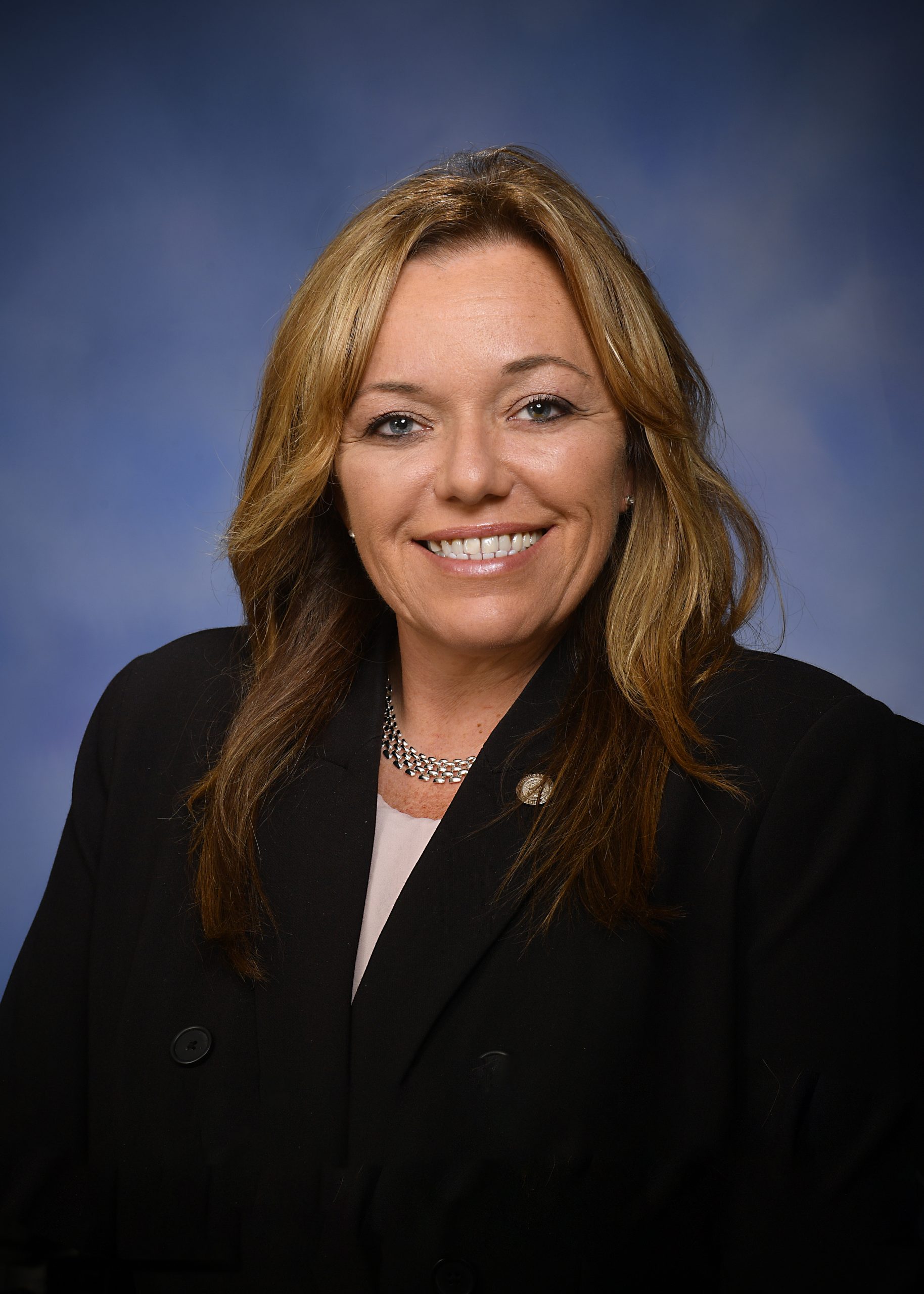
Rep. Jamie Thompson
Sponsored bills
Maddy summaryHB 4347 modifies how funds from horse racing operations are allocated to the Michigan Agriculture and Equine Industry Development Fund. It changes specific sections of the 1995 horse racing law to adjust the reallocation process, directly affecting horse racing operations that contribute to the fund. The bill’s key provision is altering the mechanism for directing these funds toward supporting Michigan’s agricultural and equine industries, without specifying new funding levels or programs. This is a procedural change to existing fund allocation rules, not a new program.
Maddy summaryHB 4346 redirects revenue from Michigan's lawful internet gaming programs to the Michigan Agriculture Equine Industry Development Fund and removes the existing spending limit on these funds. This bill directly affects the state's horse and agricultural industries by providing them with potentially increased funding for development initiatives. The key provision changes a 2019 law (MCL 432.315) to allow all allocated gaming revenue - previously subject to a cap - to flow into the equine fund without restriction. The bill is currently pending in the House Rules Committee after being reported with a substitute amendment.
Maddy summaryHB 5578 amends Michigan's Child Custody Act to clarify when courts may change a child's established custodial environment. It specifically allows a change if a parent proves the other parent was convicted of criminal sexual conduct against a minor (or found by clear evidence to have committed nonconsensual sexual penetration of a child) and the nonoffending parent knew of the conviction while permitting the child's access. The bill also protects military parents by requiring courts to ignore a parent's deployment absence in custody decisions, reinstating pre-deployment custody arrangements after return, and limiting temporary custody orders during deployment. Additionally, it tightens appeal standards for custody rulings, requiring courts to show legal error or abuse of discretion - not just factual disagreement - to overturn decisions.
Maddy summaryHB 5210 allows commercial fishing license holders to list multiple vessels on a single license instead of requiring separate licenses for each boat. Licensees can add or remove vessels anytime by providing written notice to the department. The bill also clarifies rules for transferring licenses when boats are sold, damaged, or lost, including fee adjustments for larger vessels or non-resident transfers. All vessels listed under one license must operate within 50 miles of the originally designated port.
Maddy summaryHB 5535 would allow plumbing inspectors to provide plumbing services without violating state law. Currently, plumbing inspectors (registered under Article 10) are prohibited from engaging in the plumbing business, such as installing pipes or selling materials, due to potential conflicts with their inspection duties. The bill amends Section 1123 of Michigan's Skilled Trades Regulation Act to remove this prohibition, permitting inspectors to work for or own plumbing businesses. This change directly affects local plumbing inspectors who wish to operate in both roles simultaneously.
Maddy summaryHB 4981 amends Michigan's Public Health Code to update the terminology from "limited licensed counselor" to "limited licensed professional counselor" in multiple sections governing mental health licensing and client privileges. The bill directly affects counselors holding a limited license, ensuring consistent terminology in legal references to their practice and the associated client privilege protections. This technical correction standardizes language across the code without changing existing practice requirements or scope of services for these professionals. The change aligns with current regulatory terminology used in the state's licensing framework for mental health counselors.
Maddy summaryHB 5519 lowers Michigan's individual income tax rate to 3.9% for tax years beginning January 1, 2026, replacing the current 4.25% rate. This change applies to all Michigan residents who pay state income tax on their earnings. The bill amends Section 51 of the Income Tax Act to implement this rate reduction, which follows a temporary 4.25% rate period through 2025. This policy directly reduces the tax burden for individual taxpayers starting in 2026.
Maddy summaryHB 5522 amends Michigan's Public Health Code to update delegation rules for physician assistants (PAs). It clarifies that supervising physicians may delegate specific medical tasks to PAs under certain conditions, including direct physical supervision during procedures. The bill specifies that PAs can perform surgical tasks only when a licensed physician is present, and outlines requirements for health facilities to authorize such delegation. These changes directly affect PAs, physicians, and healthcare facilities by defining clearer boundaries for PA scope of practice under supervision.
Maddy summaryThis bill modifies Michigan's licensing rules for foreign-trained registered nurses. It requires the Board of Nursing to accept verification from specific organizations (like CGFNS) to confirm foreign education programs are substantially equivalent to Michigan-approved programs. The bill also simplifies licensing for nurses already licensed in another U.S. state or Canadian province with 5+ years of active, unblemished practice, eliminating the need for program verification in those cases. These changes directly affect foreign-educated nurses and out-of-state nurses seeking Michigan licensure.