

Maddy summaryHB 5251 requires Michigan's medical assistance program (Medicaid for low-income residents) to cover prescribed pediatric extended care for children. This specifically affects low-income children in Michigan who need specialized, long-term medical care beyond standard hospital stays. The bill amends state law to mandate this coverage under existing rules for pediatric extended care (Part 219A of the Public Health Code). The coverage would apply to children receiving medically necessary care as prescribed by a doctor. The bill is contingent on the passage of companion legislation (HB 5252).
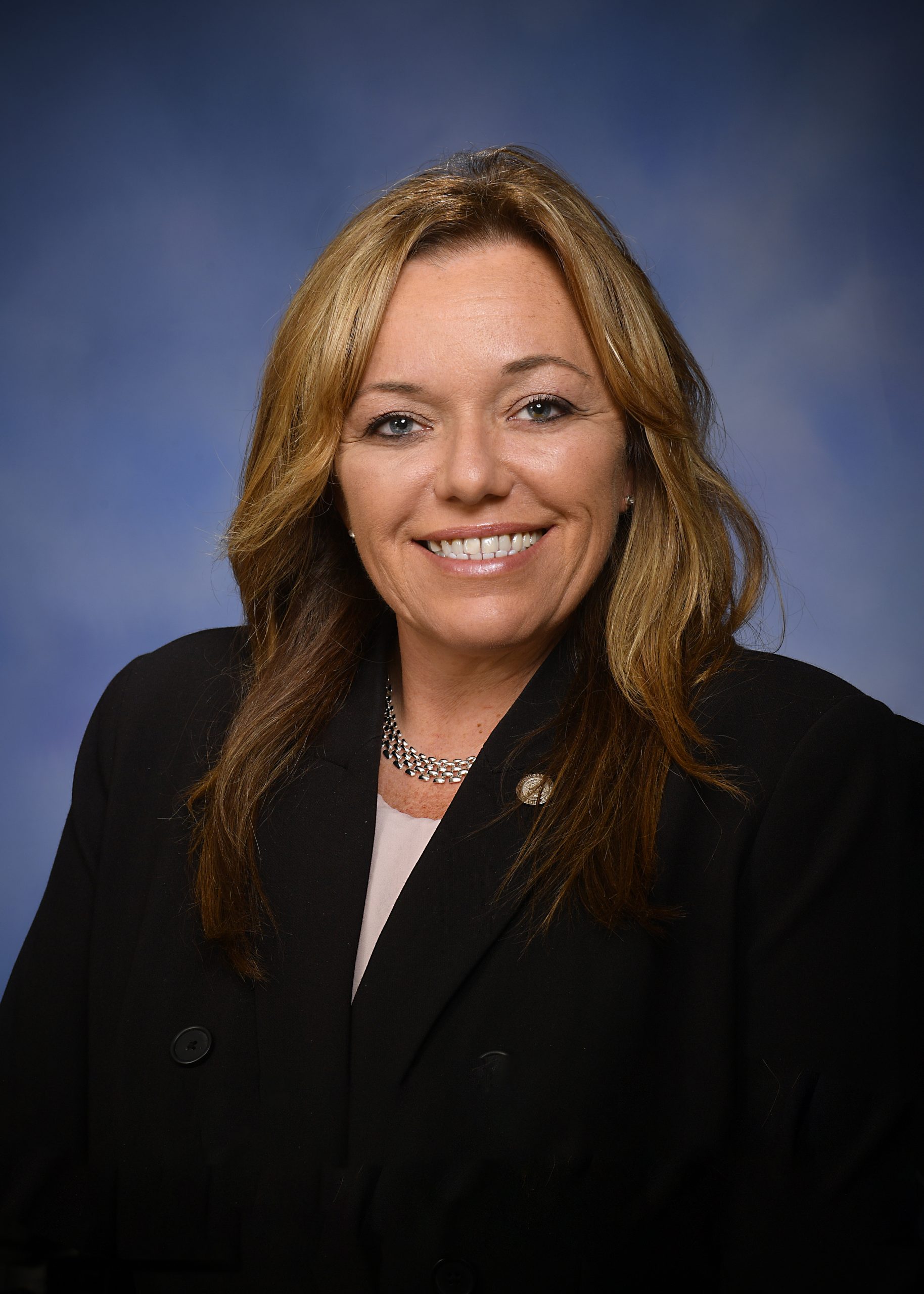
Rep. Jamie Thompson
Sponsored bills
Maddy summaryHB 5252 amends Michigan's Public Health Code to create a new licensing category for "prescribed pediatric extended care facilities," which provide specialized long-term medical care for children with complex health needs. The bill establishes specific licensing requirements for these facilities, including standards for staffing, medical oversight, and facility operations, directly affecting providers seeking to operate such services. Key provisions include adding Part 219A to the code and revising existing sections (20106, 20109, 20115, 20161) to incorporate these new requirements. This change aims to ensure consistent safety and quality standards for pediatric extended care facilities across the state. The bill is currently pending in the House Health Policy Committee.
Maddy summaryHB 5455 enacts Michigan's participation in the Interstate Medical Licensure Compact, allowing physicians licensed in participating states to more easily obtain licenses in Michigan and other member states. This directly affects physicians seeking to practice across state lines, particularly through telehealth or in rural areas with healthcare shortages. The bill establishes a streamlined "expedited license" process for eligible physicians who meet specific criteria (like holding a full license in another member state and having no disciplinary history), while requiring physicians to follow the licensing rules of the state where the patient is located during care. It does not change Michigan's existing medical practice laws but creates a new pathway for multi-state licensure through a standardized compact process.
Maddy summaryHB 5537 prohibits the production, sale, or offering for sale of kratom (including all parts of the Mitragyna speciose plant and synthetic variants like 7-hydroxymitragynine) in Michigan. It directly affects businesses and individuals selling kratom products, imposing misdemeanor penalties that escalate based on severity: up to 90 days in jail and $5,000 fines for first offenses, with harsher penalties for repeat violations or sales to minors. Sales to anyone under 18 carry enhanced penalties, including up to one year in jail and $10,000 fines for first offenses. The law defines "kratom" broadly to cover all plant parts, extracts, and synthetic forms, making these activities illegal under Michigan's penal code.
Maddy summaryHB 5234 modifies Michigan's vehicle code to change how law enforcement agencies can use fees collected from salvage vehicle inspections. Specifically, it updates Section 217c of the Michigan Vehicle Code (MCL 257.217c) to expand allowable uses for these fee revenues. The bill directly affects local law enforcement agencies that collect these inspection fees, allowing them to allocate funds toward equipment, training, or other operational needs previously restricted. This is a procedural funding adjustment with no new tax or mandate.
Maddy summaryHB 5450 amends Michigan's Food Law to prohibit local governments (counties, cities, villages, or townships) from charging fees, taxes, or assessments for the operation of mobile food establishments, such as food trucks. This directly affects food truck operators by eliminating an additional cost imposed by local jurisdictions. The bill achieves this by modifying Section 3113 of the Food Law to explicitly ban such fees, while still requiring compliance with state-mandated fire inspections and licensing under existing regulations.
Maddy summaryHB 5451 requires food trucks (mobile food establishments) to undergo annual fire inspections and additional inspections after significant modifications to fire safety systems, such as kitchen equipment or fuel piping. It creates a public database tracking these inspections and mandates that operators notify fire inspectors within 30 days of license applications or modifications. The bill specifies that inspections must comply with the International Fire Code, with results valid for one year (limiting inspections to once annually unless safety concerns arise). This directly affects food truck operators, who must pay a $200 maximum fee for annual inspections but receive no charge for additional safety-related checks.
Maddy summaryHB 5364 requires Michigan's state board of education to obtain legislative approval - via a concurrent resolution from both the state Senate and House - before revising the state's recommended academic curriculum standards. The bill directly affects school districts, the state board, and legislators by preventing changes to standards without formal legislative consent. Key provisions include prohibiting standards from including "attitudes, beliefs, or value systems" unrelated to academic learning, while maintaining existing requirements for standards covering subjects like history (including genocide education) and assessments focused solely on academic skills. The bill does not alter current standards but changes the process for future updates. It is currently pending in the House Committee on Education and Workforce.
Maddy summaryHB 4791 would require Michigan's Department of Health and Human Services to create a public education program about menopause transitions. The program must cover symptoms, related chronic conditions, treatment options, and screening tools, developed in consultation with medical boards and women's health organizations. It mandates the department to share this information with both the public and healthcare professionals, potentially via its website. This bill, currently in committee review, directly affects Michigan residents - particularly women navigating menopause - and healthcare providers who would receive updated educational resources.
Maddy summaryHB 4790 requires Michigan physicians to complete continuing education on menopause and related conditions as part of their mandatory professional development. The bill amends Michigan's Public Health Code (sections 333.17033 and 333.17533) to add these topics to the list of required educational areas. This directly affects all licensed physicians in Michigan who must fulfill continuing education requirements to maintain their licenses. The key provision updates existing rules to ensure physicians receive specific training on menopause care, aiming to improve patient education and treatment options.