

Maddy summaryHB 5324 standardizes "No Drone Zone" signage across Michigan by requiring the state Department of Transportation to adopt a sign based on the FAA's existing design. The sign must display "No Drone Zone" at the top, include a drone image with a red circle slash, state that drone takeoffs/landings are prohibited, and leave space for the specific local ordinance or law enforcing the restriction. This bill directly affects property owners, businesses, and local governments that currently post drone restrictions, providing a uniform format to clarify existing local drone prohibitions without creating new restrictions. The Department of Transportation will publish guidance for using the sign, which must align with current local rules governing drone operations.
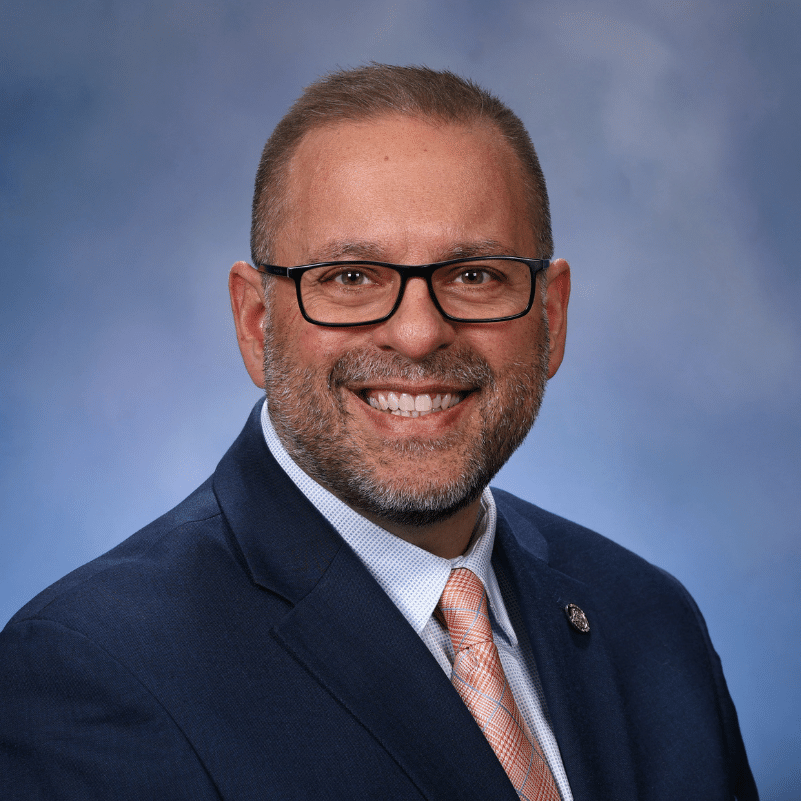
Rep. Mike McFall
Sponsored bills
Maddy summaryHB 5327 amends Michigan's drone law to prohibit specific drone uses that violate privacy or safety. It bans operating drones to harass people (as defined by existing harassment laws), capture private images in violation of privacy expectations, follow or photograph individuals (especially for sex offenders under registration requirements), or disturb quiet enjoyment of private homes. The bill directly affects all drone operators, with additional restrictions for sex offenders. Key mechanisms include expanding existing drone restrictions to cover harassment, privacy invasions, and proximity to restraining orders. The law takes effect 90 days after enactment.
Maddy summaryHB 5325 allows police officers and private security personnel at critical infrastructure sites (like power plants or bridges) to disable or destroy drones flying in violation of existing laws protecting those sites. It directly affects drone operators who fly near protected infrastructure without authorization. The key provision grants immunity from liability for property damage to the drone when officers act under this law, but only if federal law does not preempt it. This bill creates a specific legal mechanism for responding to unauthorized drone activity at critical infrastructure locations.
Maddy summaryHB 5323 authorizes Michigan state agencies to install technology that detects or blocks unauthorized drones near state-owned buildings and critical infrastructure like power plants or water facilities. The bill allows for two key mechanisms: (1) devices to detect drones flying overhead, and (2) systems to prevent drones from entering restricted airspace. It also requires coordination with the state transportation department to include these locations in a statewide geofencing database. The law explicitly states it does not override federal drone regulations.
Maddy summaryHB 5326 would allow Michigan police officers to intercept, disable, or destroy drones flying in violation of federal aviation rules or posing public safety risks. It directly affects drone operators whose flights breach FAA guidelines and provides officers immunity from liability for damage to the drones. The bill’s key provision requires that federal law first be amended to permit such actions before the state law takes effect. This bill is currently in committee review and does not change existing federal drone regulations.
Maddy summaryThis bill, known as the Commercial Advertising Loudness Mitigation Act, would require video streaming services in Michigan to ensure that commercial advertisements are not louder than the accompanying video content. Starting July 1, 2027, these services must regulate audio levels so that ads do not exceed the volume of the programs or videos they interrupt. The law applies to internet-based streaming platforms but excludes traditional television stations, cable operators, and services that do not include ads. Violations of this rule could result in a civil fine of up to $10,000 for each instance, which would be collected by the state attorney general and deposited into the general fund.
Maddy summaryThis bill designates the week of May 4-8, 2026, as Teacher Appreciation Week throughout Michigan. It directly affects teachers, students, parents, and the general public by encouraging them to recognize and thank educators for their contributions. The resolution contains no new laws or funding, but rather serves as a formal declaration to honor the teaching profession.
Maddy summaryThis resolution officially designates May 2026 as Jewish American Heritage Month within the state of Michigan. It aims to honor the history, culture, and contributions of American Jews to the state and the nation. The measure does not change laws or create new programs but serves as a formal declaration of recognition.
Maddy summaryThis bill requires health insurance companies in Michigan to cover infertility treatments starting January 1, 2027. It mandates coverage for diagnostic care, fertility treatments, and preservation services, including up to four complete egg retrievals with unlimited embryo transfers. The law prohibits insurers from imposing different deductibles, waiting periods, or limits on infertility benefits compared to other medical services, and it ensures coverage regardless of the patient's age, gender identity, or use of donor gametes or surrogates.
Maddy summaryThis House Resolution officially designates the week of April 18-25, 2026, as Lineman Appreciation Week in Michigan to honor electrical lineworkers. The measure recognizes the vital role these professionals play in maintaining the state's power grid and responding to emergencies, while acknowledging the hazardous conditions they face. By adopting this resolution, the legislative body aims to publicly express gratitude for the dedication and sacrifice of linemen who keep essential services running for communities across the state.