Issue · Criminal Justice

Criminal Justice

Every criminal justice bill, vote, and legislator stance in Michigan, automatically classified by Maddy, our AI policy reader.

Total bills
98
2025-2026 Regular Session
Top supporter
Amos O'Neal
100% support rate
Top opponent
Lana Theis
27% support rate
Ranked legislators
10
5 support · 5 oppose
Key legislators

Who's moving criminal justice in Michigan

Legislators moving criminal justice in Michigan
Legislator Party Stance Support rate Votes
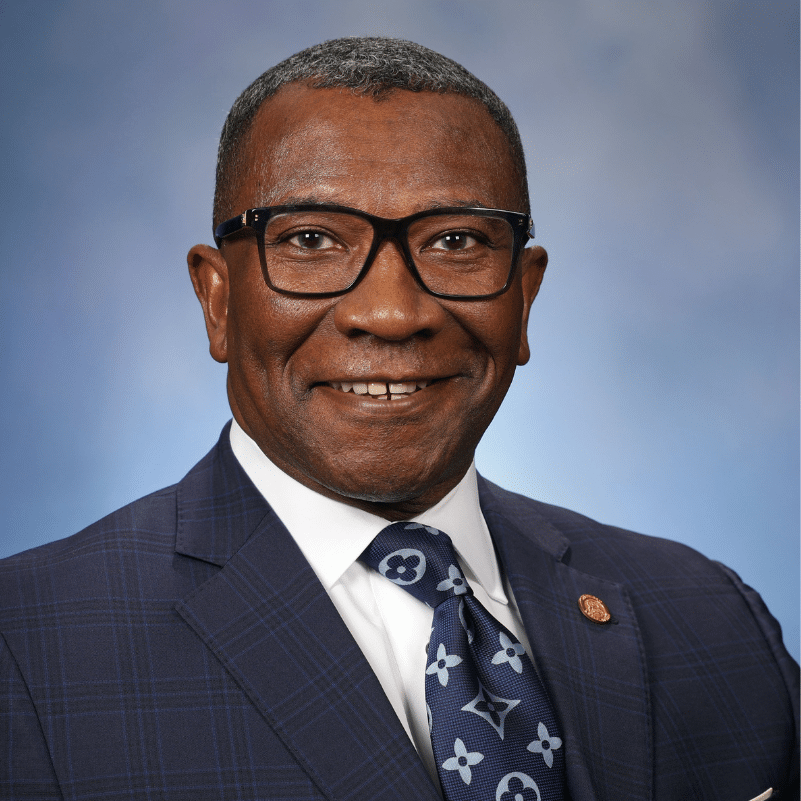
Amos O'Neal
Amos O'Neal House · District 94
D
Strong +
100% 18
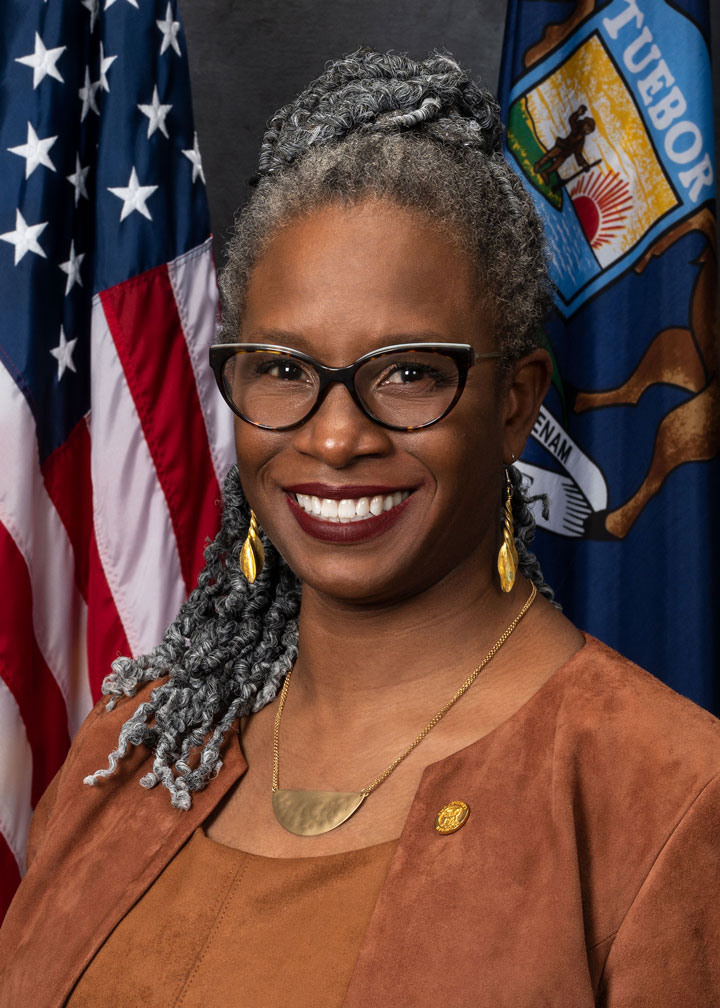
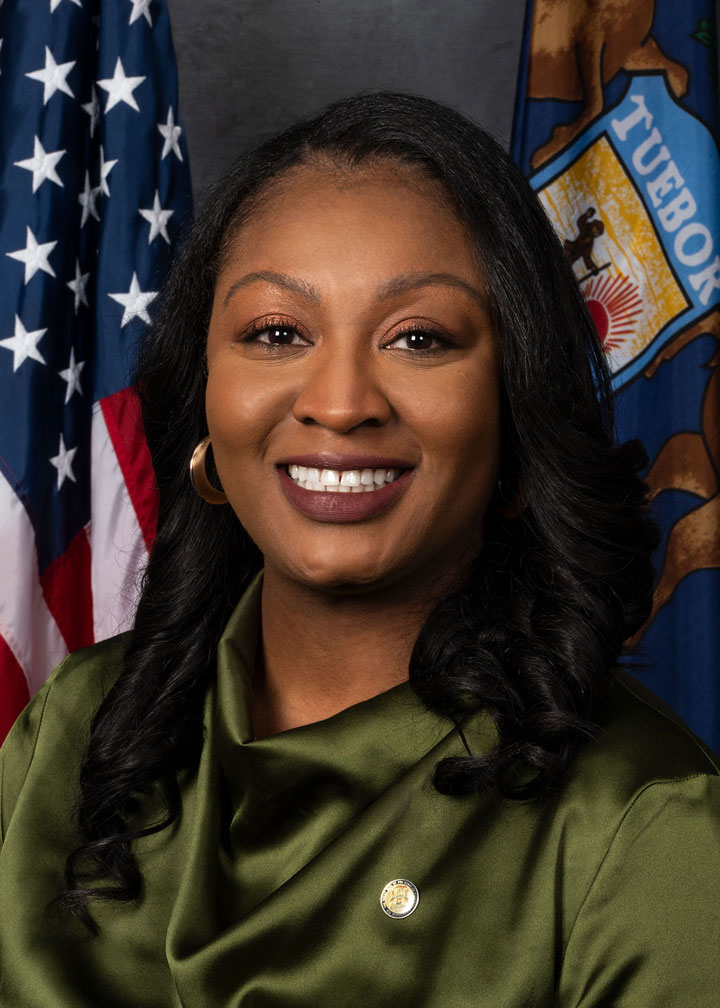
Erika Geiss
Erika Geiss Senate · District 1
D
Support
77% 43
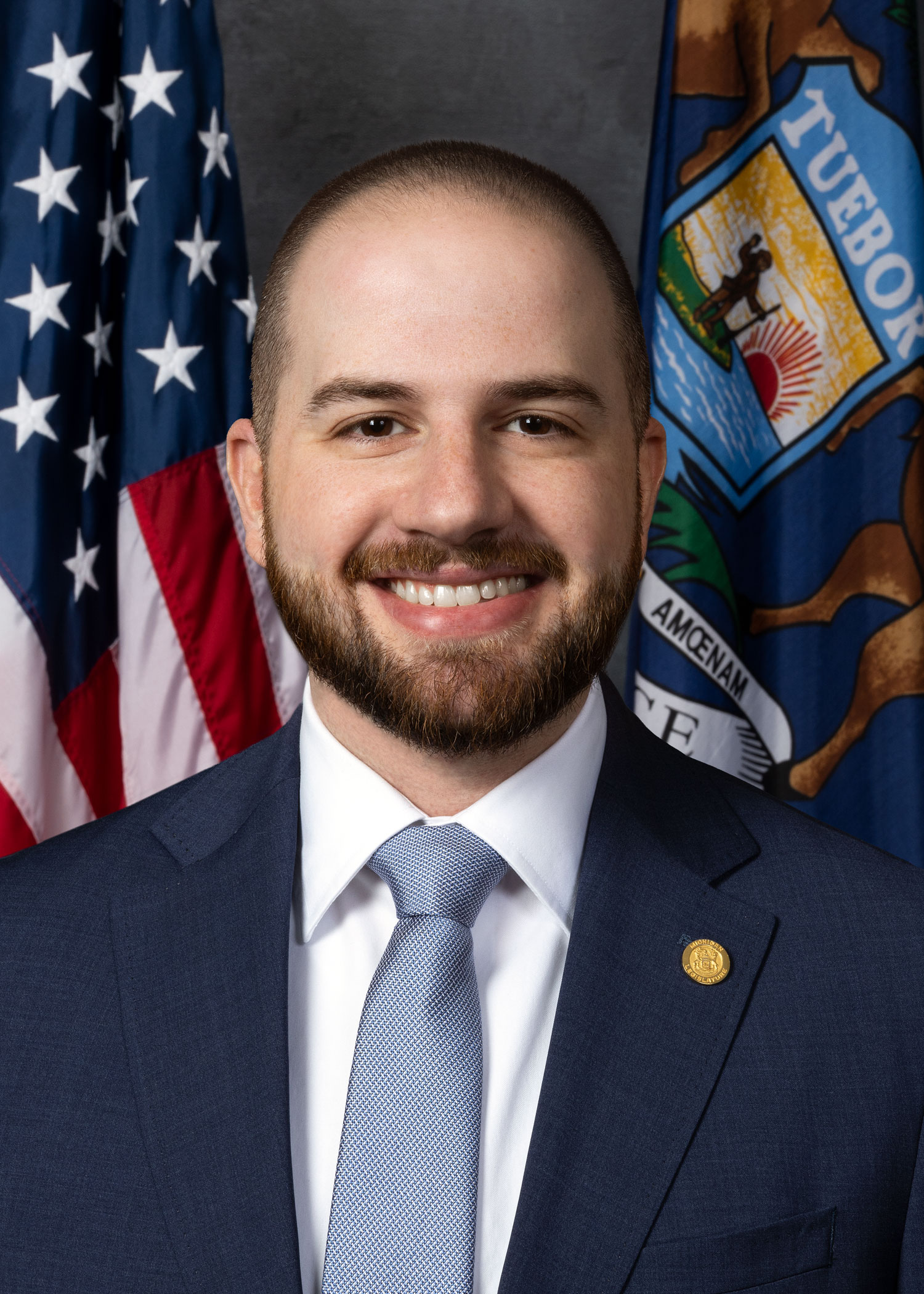
Jeremy Moss
Jeremy Moss Senate · District 7
D
Support
73% 48
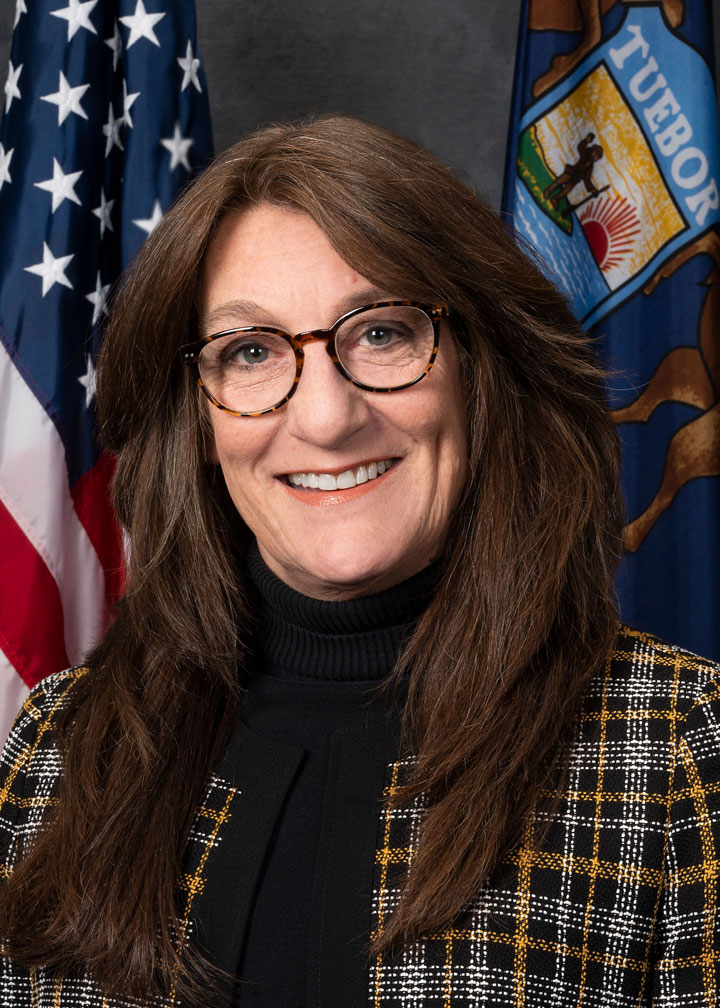
Veronica Klinefelt
Veronica Klinefelt Senate · District 11
D
Support
73% 48
Sarah Anthony
Sarah Anthony Senate · District 21
D
Support
73% 48
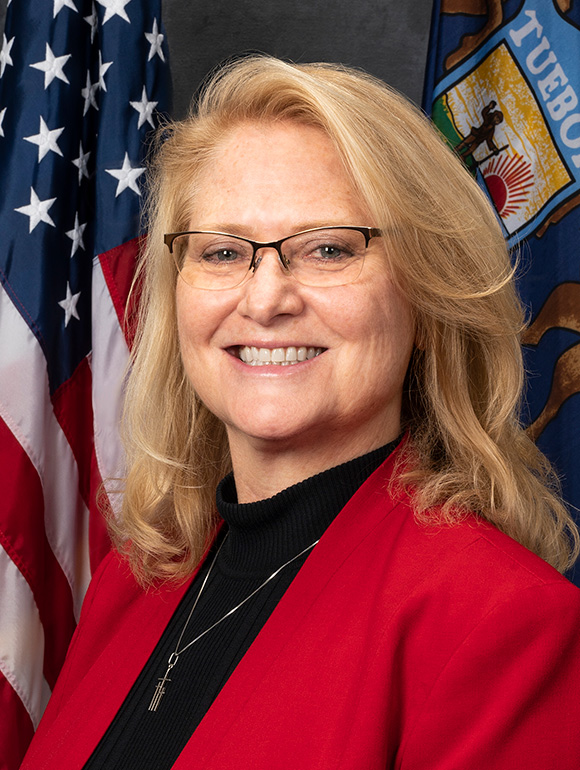
Lana Theis
Lana Theis Senate · District 22
R
Oppose
27% 43
Thomas Albert
Thomas Albert Senate · District 18
R
Oppose
27% 48
Michele Hoitenga
Michele Hoitenga Senate · District 36
R
Oppose
27% 48
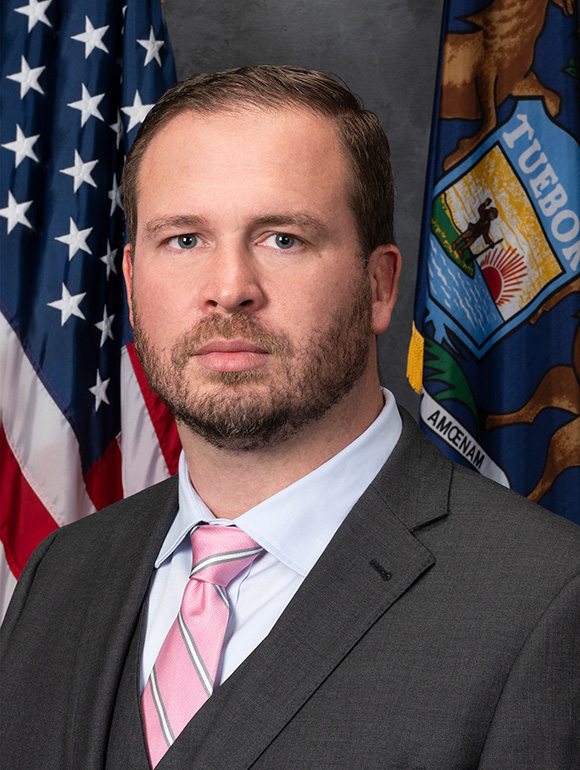
Jonathan Lindsey
Jonathan Lindsey Senate · District 17
R
Oppose
27% 47
Jon Bumstead
Jon Bumstead Senate · District 32
R
Oppose
29% 44
Showing 41–50 of 98 bills

All criminal justice bills

in committee · Michigan · Senate Mar 25, 2026

SB 737: Corrections: parole; certain parole terms; amend. Amends sec. 34 of 1953 PA 232 (MCL 791. 234).

SB 737 changes parole eligibility rules for Michigan prisoners serving life sentences who do not fall under automatic exclusion (e.g., murder convictions). It requires these prisoners to serve 10 years (for crimes committed before October 1, 1992) or 15 years (for crimes on or after that date) before becoming eligible for parole consideration. The bill also adds new procedures: annual parole board interviews after 10 years, file reviews at 15 years and every 5 years thereafter, and mandatory public hearings with parole board. These changes apply to life-sentence prisoners not covered by existing exceptions in Section 34(6) of Michigan’s Corrections Code.
in committee · Michigan · Senate Mar 5, 2025

SB 121: Weapons: firearms; enforcement of federal limitation on firearms; prohibit. Creates new act.

SB 121 prohibits Michigan state and local government employees from enforcing specific federal firearm regulations, including those requiring registration of firearms or ammunition, imposing firearm-specific taxes, banning possession, or ordering confiscation. It makes such federal laws unenforceable within Michigan and imposes $10,000 fines per violation on state employees who enforce them or political subdivisions that employ such individuals. The bill also allows individuals harmed by these enforcement attempts to seek court injunctions and recover attorney fees. It directly affects state agencies, local governments, and employees who might otherwise comply with federal firearm rules. The bill is currently pending in the Civil Rights, Judiciary, and Public Safety committee.
in committee · Michigan · Senate Jun 10, 2025

SB 388: Disabilities: other; penalties for certain violations to provision in use of travel aids by blind persons act; increase. Amends sec. 1a, 2 & 3 of 1937 PA 10 (MCL 752.51a et seq.).

SB 388 increases penalties for drivers who fail to exercise caution around blind pedestrians using approved travel aids like canes, dog guides, or white walkers. It amends Michigan law to raise misdemeanor fines for violating crosswalk safety rules from $25-$200 to $100-$500, with higher penalties for injuries ($1,000 fine) or deaths ($7,500 fine, up to 10 years in prison). The bill clarifies that blind pedestrians not using aids retain full pedestrian rights and cannot be deemed negligent for not using them. It also establishes procedures for reporting violations to police and requires prosecutors to inform blind pedestrians of case outcomes. The law directly affects drivers near crosswalks and blind pedestrians using specified travel aids.
Sub-Topics Policing
in committee · Michigan · House Jun 26, 2025

HB 4671: Crimes: abortion; abortion; prohibit. Amends 1931 PA 328 (MCL 750.1 - 750.568) by adding secs. 89a & 322a & repeals sec. 322 of 1931 PA 328 (MCL 750.322).

HB 4671 amends Michigan's penal code to establish criminal liability for injury or death of an unborn child under assault and homicide laws, defining "unborn child" as a living human being from fertilization. The bill adds exceptions allowing medical procedures that unintentionally harm or kill a fetus when performed to save the mother's life, preserve the fetus's health, or during a spontaneous miscarriage. It applies existing legal defenses (like duress) and presumptions to cases involving fetal injury or death, treating the unborn child as equivalent to a born individual for prosecution purposes. This bill directly affects medical providers and individuals whose actions may cause fetal harm during medical treatment, as it clarifies when such actions could be prosecuted under criminal law.
in committee · Michigan · House Nov 4, 2025

HB 5164: Crimes: firearms; transporting or possessing a firearm in or upon motor vehicle; modify. Amends sec. 227d of 1931 PA 328 (MCL 750.227d).

HB 5164 modifies Michigan law to regulate transporting firearms and certain air guns in moving vehicles. It prohibits carrying a firearm (other than a pistol) or a pneumatic gun expelling metal BBs/pellets over .177 caliber in a moving vehicle unless the weapon is unloaded and stored in one of four ways: disassembled, in a case, in the trunk, or inaccessible from inside the vehicle. Violating this would be a misdemeanor punishable by up to 90 days in jail or a $100 fine. The bill directly affects drivers transporting these items in vehicles while operating them, with no exception for pistols.
Sub-Topics Firearms
in committee · Michigan · House Sep 24, 2025

HB 5021: Crimes: prostitution; references to prostitute and prostitution; modify in the Michigan Gaming Control and Revenue Act. Amends sec. 7c of 1996 IL (MCL 432.207c). TIE BAR WITH: HB 5016'25

HB 5021 requires local labor organizations representing casino gaming employees in Michigan to register biennially with the Gaming Control Board and provide detailed personal information about designated individuals, including home addresses, Social Security numbers, criminal history (even expunged convictions), fingerprints, and employment details. The bill establishes disqualification grounds for union officers or employees if they have certain criminal convictions (including gambling, theft, fraud, or prostitution-related offenses), made false statements, or engage in ongoing criminal activity for economic gain. Disqualification for prostitution charges specifically applies only if the individual has an ongoing pattern of such behavior, not isolated incidents. This bill directly affects union leaders in Michigan's casino industry by creating new transparency requirements and eligibility standards for their roles.
in committee · Michigan · House Sep 16, 2025

HB 4941: Alienage: other; certain immigration enforcement agreements; prohibit. Creates new act.

HB 4941 prohibits Michigan law enforcement agencies - including the state police, city, village, township, and county police - from entering into, modifying, or renewing agreements with U.S. Immigration and Customs Enforcement (ICE) under federal Section 287(g) of the immigration law. These agreements currently allow local officers to enforce federal immigration laws. The bill defines "immigration enforcement agreement" as such federal partnerships and takes effect immediately upon passage, barring any new or renewed arrangements. It directly affects all local and state law enforcement entities in Michigan by restricting their ability to collaborate on federal immigration enforcement.
in committee · Michigan · House Sep 24, 2025

HB 5015: Crimes: prostitution; references to prostitution; modify in the youth rehabilitation services act. Amends sec. 7a of 1974 PA 150 (MCL 803.307a). TIE BAR WITH: HB 5016'25

HB 5015 requires youth under a Michigan youth agency's care (public wards) who have been found responsible for specific crimes - including prostitution-related offenses (like MCL 750.451, 750.454, or 750.462) - to provide DNA samples and pay a $60 fee. The youth agency must collect these samples without the youth's consent or a court order, and the DNA profiles can only be used for law enforcement, court proceedings, or anonymized research. The fee covers costs for DNA profiling under Michigan's existing system, and youth already having a DNA sample from law enforcement is exempt. This bill directly affects minors in youth rehabilitation programs convicted of listed crimes.
Sub-Topics Juvenile Justice
in committee · Michigan · Senate Feb 4, 2025

SB 44: Crimes: other; illegal immigration; prohibit, and provide penalties. Creates new act.

SB 44 makes it a crime for non-citizens to enter Michigan without legal status or remain after being denied entry or deported, with penalties ranging from up to 180 days in jail and $2,000 fines for first offenses (misdemeanor) to up to 20 years in prison and $10,000 fines for repeat or aggravated violations (felony). The bill creates exceptions for those with federal protections like DACA approval (2012-2021), asylum, or lawful U.S. presence, and prohibits arrests at schools, churches, or healthcare facilities for these violations. It allows courts to issue written orders requiring non-citizens to leave Michigan instead of jail time, provided they agree and have no prior felony convictions under this law. The bill also grants legal immunity to state/local officials enforcing it and requires fingerprinting for individuals charged under the law.
in committee · Michigan · House Mar 4, 2025

HB 4139: Weapons: firearms; firearms law; amend to reflect repeal of the extreme risk protection order act. Amends secs. 2, 2b, 5b & 8 of 1927 PA 372 (MCL 28.422 et seq.). TIE BAR WITH: HB 4140'25, HB 4140'25

HB 4139 removes references to "extreme risk protection orders" from Michigan's firearm licensing requirements. Specifically, it amends sections of the state's firearms law (MCL 28.422, 28.422b, 28.425b, and 28.428) by deleting the provision that previously required applicants to disclose if they were subject to such orders. This change directly affects individuals applying for firearm licenses, as they will no longer need to certify whether they are under an extreme risk protection order. The bill does not repeal extreme risk protection orders themselves but modifies the licensing process to exclude this specific requirement. The change reflects the repeal of the Extreme Risk Protection Order Act as noted in the bill's title.
Sub-Topics Firearms
Showing 41 to 50 of 98 bills
Previous 1 4 5 6 10 Next