Issue · Criminal Justice

Criminal Justice

Every criminal justice bill, vote, and legislator stance in Michigan, automatically classified by Maddy, our AI policy reader.

Total bills
337
2025-2026 Regular Session
Top supporter
Amos O'Neal
100% support rate
Top opponent
Lana Theis
27% support rate
Ranked legislators
10
5 support · 5 oppose
Key legislators

Who's moving criminal justice in Michigan

Legislators moving criminal justice in Michigan
Legislator Party Stance Support rate Votes
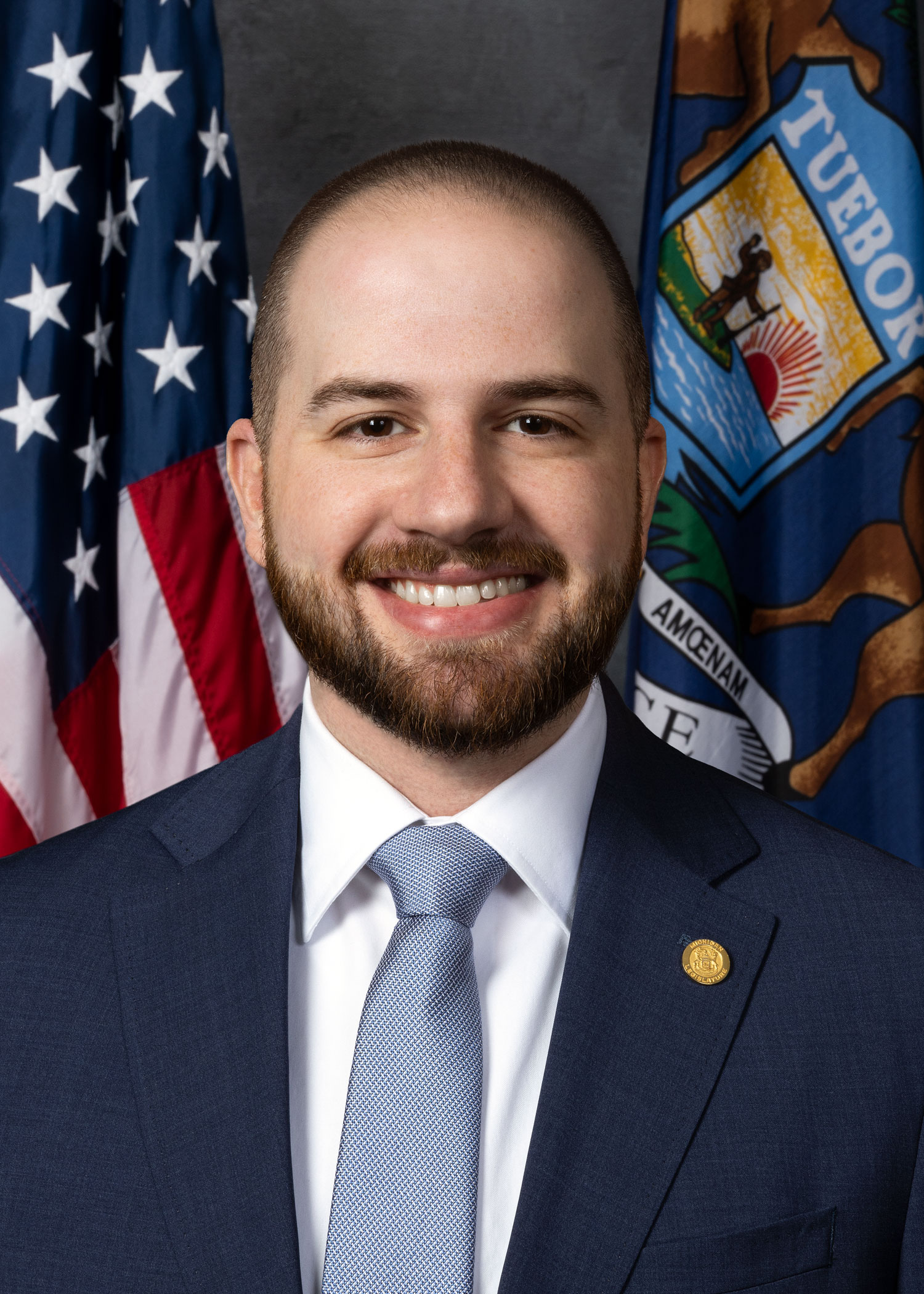
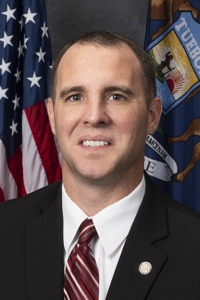
Amos O'Neal
Amos O'Neal House · District 94
D
Strong +
100% 18
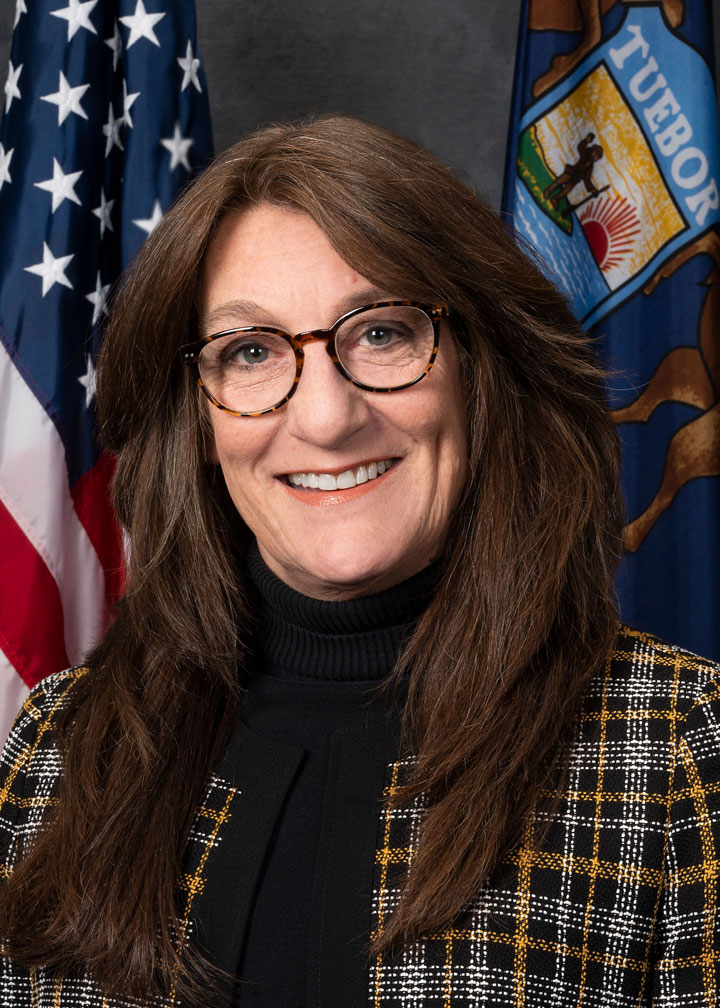
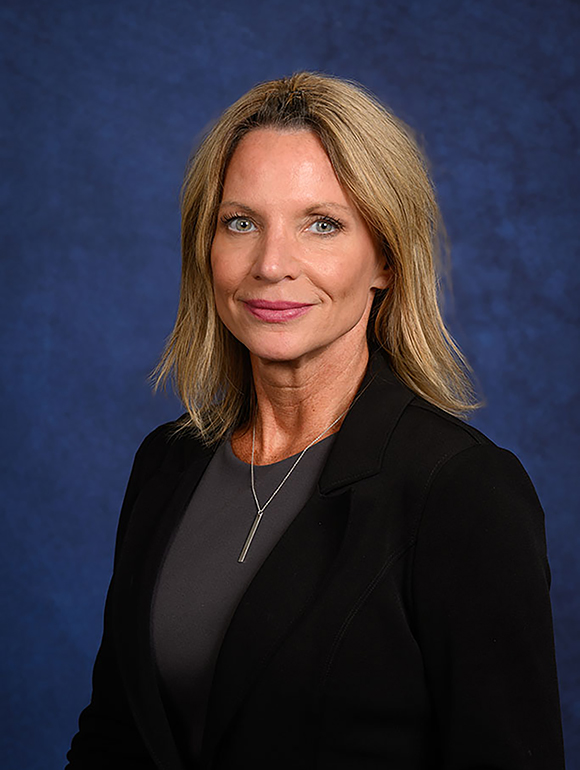
Erika Geiss
Erika Geiss Senate · District 1
D
Support
77% 43
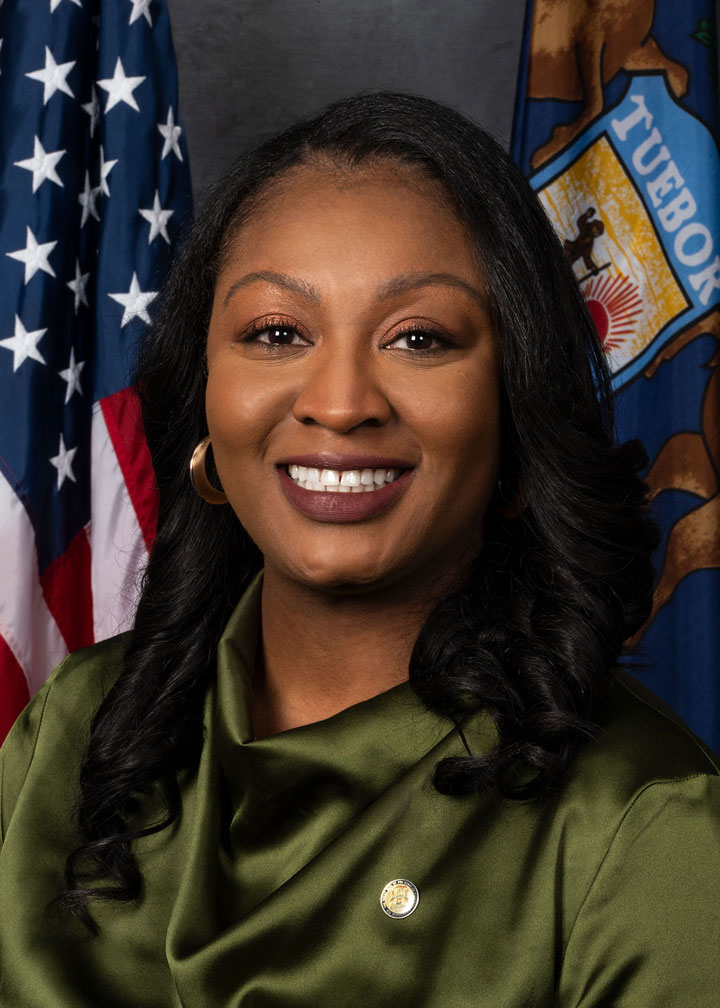
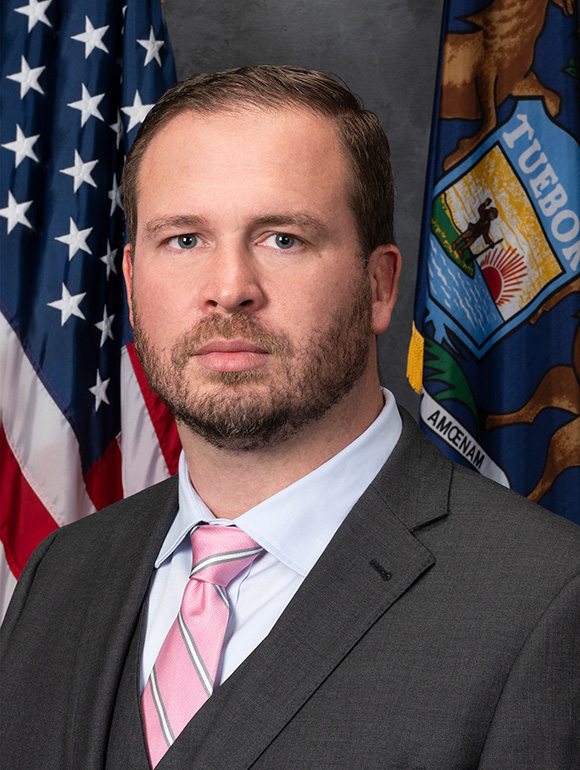
Jeremy Moss
Jeremy Moss Senate · District 7
D
Support
73% 48
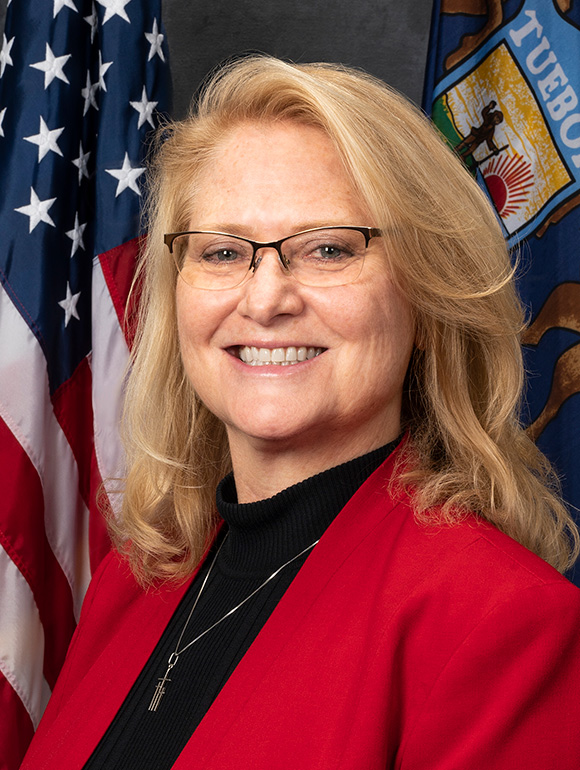
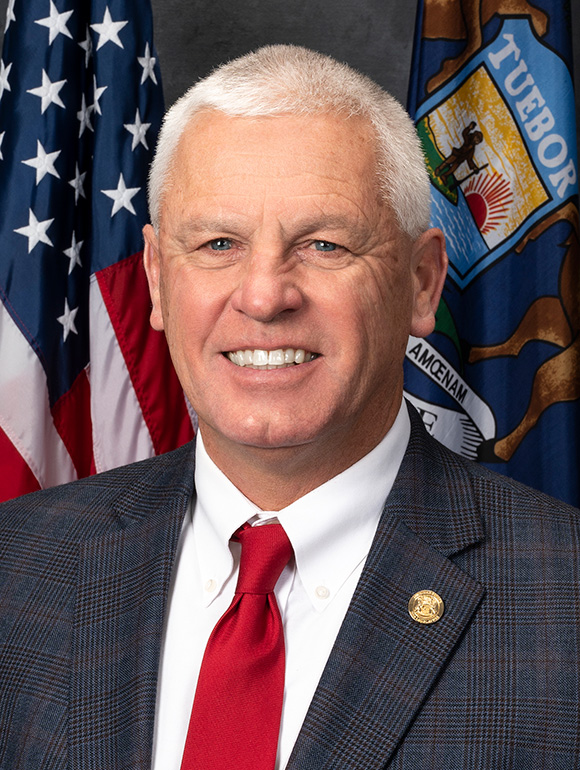
Veronica Klinefelt
Veronica Klinefelt Senate · District 11
D
Support
73% 48
Sarah Anthony
Sarah Anthony Senate · District 21
D
Support
73% 48
Lana Theis
Lana Theis Senate · District 22
R
Oppose
27% 43
Thomas Albert
Thomas Albert Senate · District 18
R
Oppose
27% 48
Michele Hoitenga
Michele Hoitenga Senate · District 36
R
Oppose
27% 48
Jonathan Lindsey
Jonathan Lindsey Senate · District 17
R
Oppose
27% 47
Jon Bumstead
Jon Bumstead Senate · District 32
R
Oppose
29% 44
Showing 241–250 of 337 bills

All criminal justice bills

in committee · Michigan · Senate Oct 29, 2025

SB 430: Crimes: controlled substances; crime of manufacturing, delivering, or possession of with intent to deliver heroin or fentanyl; modify to reflect changes in sentencing guidelines. Amends sec. 7401 of 1978 PA 368 (MCL 333.7401).

SB 430 updates Michigan's sentencing for drug offenses involving heroin and fentanyl. It specifically increases penalties for these substances by setting life imprisonment as the maximum sentence for possessing 1,000 grams or more of heroin, fentanyl, or their derivatives - previously capped at 30 years for other drugs. The bill maintains lower penalties for smaller amounts (e.g., 50-450 grams carries up to 20 years) and for other controlled substances not listed in the enhanced provisions. This directly affects individuals convicted of manufacturing, delivering, or possessing these specific drugs with intent to distribute. The changes align sentencing for heroin/fentanyl with the most severe penalties under existing law, reflecting updated guidelines for these dangerous opioids.
Sub-Topics Drug Policy Sentencing
passed both · Michigan · House Mar 17, 2026

HB 5157: Crimes: penalties; delivery of controlled substance causing serious injury; provide penalties. Amends 1931 PA 328 (MCL 750.1 - 750.568) by adding sec. 89a.

This bill creates a new felony offense for delivering Schedule 1 or 2 controlled substances (excluding marijuana) that causes serious injury. It defines "serious injury" as permanent disfigurement, loss of body function (like a limb or eye), coma lasting over 3 days, or measurable brain impairment. Violators face life imprisonment or any prison term. The law applies to people who illegally provide these drugs when the substance causes harm to the user or others.
Sub-Topics Drug Policy
in committee · Michigan · House Oct 30, 2025

HB 5155: Criminal procedure: defenses; duress as a defense to murder of the second degree; prohibit. Amends sec. 317 of 1931 PA 328 (MCL 750.317).

HB 5155 amends Michigan's penal code to remove duress as a defense for second-degree murder charges. Specifically, it changes section 317 to explicitly state that being forced to commit a crime (duress) cannot be used to defend against second-degree murder prosecutions. This directly affects defendants accused of second-degree murder who might otherwise claim they were coerced into committing the act. The bill makes no changes to the punishment for second-degree murder, which remains life imprisonment or any term of years at the court's discretion.
Sub-Topics Courts
in committee · Michigan · Senate Oct 30, 2025

SB 628: Human services: medical services; coverage for syringe service programs; provide for. Amends 1939 PA 280 (MCL 400.1 - 400.119b) by adding sec. 109t.

SB 628 requires Michigan's medical assistance program (Medicaid) to cover syringe service programs, which provide clean needles, disposal containers, and other harm reduction supplies to people who inject drugs. This directly affects individuals who use injection drugs by expanding access to safer equipment, and it affects the state's Medicaid program by mandating coverage for these services. The bill defines "syringe service programs" as harm reduction initiatives offering supplies like needles, cookers, and sharps disposal containers. It does not change eligibility for Medicaid but ensures these specific harm reduction services are funded under existing medical assistance.
in committee · Michigan · Senate Oct 30, 2025

SB 629: Health: other; syringe service programs; provide for. Amends secs. 7401, 7403, 7453 & 7457 of 1978 PA 368 (MCL 333.7401 et seq.) & adds sec. 5137.

SB 629 creates a legal framework for needle and syringe access programs in Michigan to reduce the spread of communicable diseases like HIV and hepatitis. It allows authorized programs (run by health departments or local agencies) to distribute sterile needles/syringes and provide related services. Participants in these programs are exempt from criminal penalties under existing laws for possessing needles, trace amounts of drugs in used equipment, or drug testing supplies. The bill directly affects people who use injection drugs, local health programs, and law enforcement by clarifying that program participation does not violate drug possession or paraphernalia laws.
passed both · Michigan · House Feb 24, 2026

HB 5036: Crimes: other; false representation in assisted reproduction; prohibit, and provide penalties. Amends 1931 PA 328 (MCL 750.1 - 750.568) by adding sec. 219g.

HB 5036 prohibits knowingly providing false or misleading information about assisted reproduction procedures in Michigan, targeting health professionals and donors. It penalizes false claims regarding embryos/gametes, donor identity (including name or birthdate), or donor medical/family history with up to 5 years in prison or $50,000 fines. Health professionals who use unconsented embryos or gametes face harsher penalties: up to 15 years or $100,000 fines, and anonymous donor requests do not excuse violations. The bill applies to fertility clinics and providers, aiming to ensure transparency in services like IVF where accurate donor information is critical.
Sub-Topics Corrections
in committee · Michigan · House Apr 22, 2025

HB 4335: Traffic control: accidents; penalties for moving violation causing physical injury or death to a vulnerable roadway user; enhance. Amends sec. 12e, ch. XVII of 1927 PA 175 (MCL 777.12e). TIE BAR WITH: HB 4334'25

HB 4335 aims to increase the penalties for drivers who commit moving violations that cause physical injury or death to a "vulnerable roadway user." This legislation amends a section of the state's code of criminal procedure. The bill seeks to enhance legal consequences for drivers involved in such incidents, thereby affecting individuals found responsible for these violations and aiming to provide greater protection for vulnerable individuals using roadways.
Sub-Topics Traffic Safety
in committee · Michigan · House Apr 22, 2025

HB 4334: Traffic control: accidents; penalties for moving violation causing physical injury or death to a vulnerable roadway user; enhance. Amends secs. 303, 320a, 601c & 653a of 1949 PA 300 (MCL 257.303 et seq.); adds secs. 79g & 79h & repeals sec. 653b of 1949 PA 300 (MCL 257.653b). TIE BAR WITH: HB 4335'25

House Bill 4334 proposes to enhance penalties for drivers who commit moving violations that result in physical injury or death to vulnerable roadway users. The bill amends several sections of the Michigan Vehicle Code (1949 PA 300) and adds new sections to implement these stricter consequences. Its aim is to increase accountability for drivers whose actions lead to harm for pedestrians, bicyclists, or other vulnerable individuals on the road.
Sub-Topics Traffic Safety
in committee · Michigan · House Nov 6, 2025

HB 5216: Corrections: state facilities; medical information regarding a prisoner provided to individuals as authorized by a prisoner; allow. Amends 1953 PA 232 (MCL 791.201 - 791.285) by adding sec. 64a.

HB 5216 requires Michigan correctional facilities to provide prisoners with a medical information release form, an emergency contact form, and explanatory materials upon intake. Prisoners must designate specific individuals to receive their medical information during critical emergencies (defined as hospitalization needs) and provide accurate contact details, with the responsibility to update this information if changes occur. During a critical medical emergency, the department must notify one designated emergency contact and may arrange hospital visits for approved family or clergy if medically appropriate. This bill directly affects prisoners in Michigan correctional facilities and their designated contacts, creating a formal process for sharing medical information during emergencies.
in committee · Michigan · Senate Nov 5, 2025

SB 255: Criminal procedure: other; violation of tampering with utility shut-off procedures; decriminalize under certain circumstances. Amends title & secs. 282 & 383a of 1931 PA 328 (MCL 750.282 & 750.383a).

SB 255 would decriminalize restoring water service to a lawfully occupied home after a shutoff due to non-payment, provided no metering or backflow devices are damaged. It changes penalties from potential felony charges to civil violations, with first offenses requiring up to 25 hours of community service, and repeat offenses limited to fines under $500 or up to 100 hours of service. The bill applies specifically to residents who restore service themselves, not utility workers or others. It also mandates referrals to water assistance programs for those cited under this provision.
Showing 241 to 250 of 337 bills
Previous 1 24 25 26 34 Next