Issue · Healthcare

Healthcare

Every healthcare bill, vote, and legislator stance in Maryland, automatically classified by Maddy, our AI policy reader.

Total bills
376
2026 Regular Session
Top supporter
Alonzo Washington
100% support rate
Top opponent
Jason Gallion
0% support rate
Ranked legislators
10
5 support · 5 oppose
Key legislators

Who's moving healthcare in Maryland

Legislators moving healthcare in Maryland
Legislator Party Stance Support rate Votes
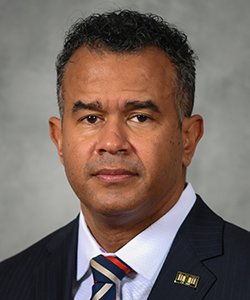
Alonzo Washington
Alonzo Washington Senate · District 22
D
Strong +
100% 68
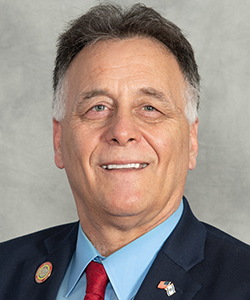
Brian Feldman
Brian Feldman Senate · District 15
D
Strong +
100% 70
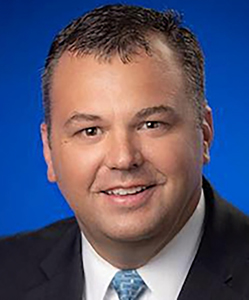
C.T. Wilson
C.T. Wilson House · District 28
D
Strong +
100% 98
Kevin Harris
Kevin Harris Senate · District 27
D
Strong +
100% 70
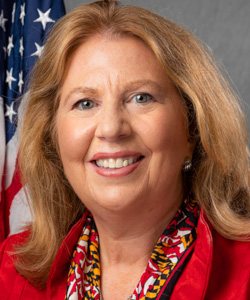
Pam Beidle
Pam Beidle Senate · District 32
D
Strong +
100% 71
Jason Gallion
Jason Gallion Senate · District 35
R
Strong −
0% 71
Jack Bailey
Jack Bailey Senate · District 29
R
Strong −
0% 69
Johnny Salling
Johnny Salling Senate · District 6
R
Strong −
4% 71
J.B. Jennings
J.B. Jennings Senate · District 7
R
Strong −
4% 71
Mary Beth Carozza
Mary Beth Carozza Senate · District 38
R
Strong −
5% 70
Showing 81–90 of 376 bills

All healthcare bills

signed · Maryland · Senate May 26, 2026

SB 839: Medical Assistance Programs - Drug Dispensing - Cost-of-Dispensing Survey

SB 839 requires Maryland's Department of Health to conduct a survey of pharmacy dispensing costs in the state every three years starting in 2026. Within six months after each survey, the Department must establish a fee charged to pharmacies for dispensing drugs under the state's Medical Assistance Program (Medicaid). This fee will be based directly on the survey results, aiming to reflect actual dispensing costs. The bill applies specifically to pharmacies participating in Maryland's Medicaid program and takes effect October 1, 2026.
in committee · Maryland · House of Delegates Feb 9, 2026

HB 891: Correctional Services - Incarcerated Individuals - Menstrual Hygiene

HB 891 requires all Maryland state and local correctional facilities, including Patuxent Institution, to provide free tampons and pads to female incarcerated individuals upon admission, routinely, and upon request. It prohibits disciplining these individuals for accidental damage to personal items caused by menstrual leakage without malicious intent. Facilities must also maintain records tracking product availability and incidents of leakage-related damage. This bill directly affects female inmates in Maryland correctional facilities by ensuring access to essential hygiene products and protecting them from unfair punishment for natural bodily functions.
passed · Maryland · House of Delegates Mar 23, 2026

HB 1593: Community Pathways Waiver - Adoption of Regulations

HB 1593 requires Maryland's Deputy Secretary for Developmental Disabilities to provide public notice before changing the Self-Directed Services Manual, which governs waiver program services for individuals with developmental disabilities. The bill mandates a 90-day public comment period for proposed changes and prohibits adopting any revisions until this period ends. It directly affects individuals and families using self-directed services - where participants control their own care choices, staffing, and budget management - and ensures their input is considered before policy changes take effect. This procedural bill amends Maryland’s health code to formalize transparency and public engagement in updating the manual (effective October 1, 2026).
in committee · Maryland · Senate Feb 12, 2026

SB 837: Maryland Medical Assistance Program and Health Insurance - Coverage and Utilization Review - Drugs Reviewed by the Prescription Drug Affordability Board

SB 837 prohibits Maryland insurance companies, health plans, and managed care organizations from requiring prior authorization, step therapy, or coverage restrictions for prescription drugs reviewed by the Prescription Drug Affordability Board (PDAB). It specifically blocks these requirements if the PDAB has not determined the drug causes an affordability challenge, has made a policy recommendation about it, or has set an upper payment limit. The bill directly affects patients needing covered medications and insurers that must comply with these new coverage rules. It aims to streamline access to PDAB-reviewed drugs by removing common insurance barriers without altering the drugs' clinical use.
in committee · Maryland · House of Delegates Feb 16, 2026

HB 1410: Income Tax - Credit for Paid Organ Donation Leave

HB 1410 creates a Maryland state income tax credit for employers who provide paid leave for employees donating organs. Qualified employers (those with written policies paying 100% of wages during organ donation leave) can claim a credit equal to 100% of wages paid during the first 12 weeks of leave. Unused credit can be carried forward for up to three years. The bill applies to taxable years beginning after December 31, 2025, and requires employers to submit documentation proving eligibility to the Maryland Department of Health.
Sub-Topics Paid Leave
signed · Maryland · House of Delegates Apr 28, 2026

HB 1377: Prescription Drug Repository Program - Redirecting Safe Prescription Drugs Pilot Program

HB 1377 establishes a 18-month pilot program to redirect unused, unopened prescription drugs to a state repository program. It requires participating pharmacies (repositories) to collect eligible medications during National Prescription Drug Take Back Days, package them properly, and transfer them to designated drop-off sites for distribution to eligible patients - while sending controlled substances directly to the DEA. The program aims to expand medication access for underserved communities, reduce pharmaceutical waste, and ensure drug safety through collaboration between Maryland’s Secretary of Health and the federal DEA. The pilot runs from July 2026 through December 2027, with mandatory reporting on collected medications by October 1, 2027.
Sub-Topics Prescription Drugs
in committee · Maryland · House of Delegates Mar 3, 2026

HB 1282: Tobacco Products, Other Tobacco Products, and Electronic Smoking Devices - Advertising to Minors - Prohibition

HB 1282 prohibits licensed tobacco sellers from advertising or marketing tobacco products, electronic smoking devices, or vaping liquids to anyone under 21 years old. It bans specific tactics like using cartoons, superheroes, food images targeting minors, or symbols associated with youth in advertisements. The bill also restricts advertising in media where 15% or more of the audience is under 21, or within 500 feet of schools. This directly affects retailers and manufacturers licensed to sell tobacco products in Maryland.
in committee · Maryland · Senate Feb 11, 2026

SB 570: Public Health - Baby Food Testing - Definition of Baby Food

SB 570 amends Maryland’s definition of "baby food" to explicitly include infant formula and infant cereal (previously excluded), affecting all baby food manufacturers in the state. It requires manufacturers to test each batch of baby food for toxic heavy metals (arsenic, cadmium, lead, mercury) starting January 1, 2025, using accredited labs at least monthly. Manufacturers must publicly post test results online and include QR codes on labels linking to FDA safety information for each product sold in Maryland. The law takes effect October 1, 2026, with compliance for labeling and transparency requirements beginning January 1, 2026.
Sub-Topics Public Health
in committee · Maryland · Senate Feb 3, 2026

SB 506: Health Occupations - Pharmacists - Minor Conditions and HIV Prevention and Treatment

SB 506 allows pharmacists in Maryland to prescribe, administer, and dispense certain medications for minor conditions and HIV prevention/treatment, directly affecting patients seeking these services. Pharmacists can now treat specific minor conditions (like cold sores, strep throat, lice, and urinary infections) under statewide protocols established by the Maryland Department of Health, without requiring a new diagnosis. The bill also enables pharmacists to prescribe HIV pre-exposure prophylaxis (PrEP) and post-exposure prophylaxis (PEP) medications after performing or interpreting HIV tests, replacing the previous nPEP Standing Order Program. All activities must follow protocols that align with federal guidelines and U.S. FDA-approved drug labeling.
signed · Maryland · Senate Apr 28, 2026

SB 792: Hospitals - Immigration Enforcement Action - Policy Requirement

SB 792 requires the State Health Services Cost Review Commission to create and publish a model policy for hospitals regarding immigration enforcement actions. It also mandates that certain hospitals in Maryland develop their own policies based on this model. The bill amends specific sections of Maryland's health code to implement these requirements, focusing on standardizing how hospitals address immigration enforcement within their facilities. This directly affects designated hospitals by making written policies on immigration enforcement a formal requirement.
Showing 81 to 90 of 376 bills
Previous 1 8 9 10 38 Next