Issue · Healthcare

Healthcare

Every healthcare bill, vote, and legislator stance in Maryland, automatically classified by Maddy, our AI policy reader.

Total bills
376
2026 Regular Session
Top supporter
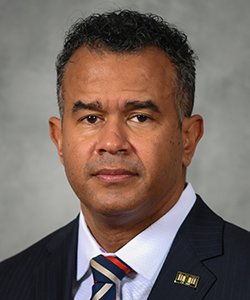
Alonzo Washington
100% support rate
Top opponent
Jason Gallion
0% support rate
Ranked legislators
10
5 support · 5 oppose
Key legislators

Who's moving healthcare in Maryland

Legislators moving healthcare in Maryland
Legislator Party Stance Support rate Votes
Alonzo Washington
Alonzo Washington Senate · District 22
D
Strong +
100% 68
Brian Feldman
Brian Feldman Senate · District 15
D
Strong +
100% 70
C.T. Wilson
C.T. Wilson House · District 28
D
Strong +
100% 98
Kevin Harris
Kevin Harris Senate · District 27
D
Strong +
100% 70
Pam Beidle
Pam Beidle Senate · District 32
D
Strong +
100% 71
Jason Gallion
Jason Gallion Senate · District 35
R
Strong −
0% 71
Jack Bailey
Jack Bailey Senate · District 29
R
Strong −
0% 69
Johnny Salling
Johnny Salling Senate · District 6
R
Strong −
4% 71
J.B. Jennings
J.B. Jennings Senate · District 7
R
Strong −
4% 71
Mary Beth Carozza
Mary Beth Carozza Senate · District 38
R
Strong −
5% 70
Showing 41–50 of 376 bills

All healthcare bills

signed · Maryland · Senate Apr 28, 2026

SB 645: State Board of Sign Language Interpreters - Membership and Licensing

SB 645 restructures Maryland's State Board of Sign Language Interpreters by expanding its membership from seven to 11 members with specific representation requirements, including a deafblind individual, deaf community members, licensed interpreters from various settings (legal, medical, educational), and ex-officio members from disability and labor agencies. The bill requires the Board to establish licensing requirements for sign language interpreters by December 31, 2026 (previously July 1, 2024), and mandates interpreters to meet these standards by that date. It also adds new grounds for the Governor to remove board members, including two consecutive unexcused absences or failing to attend 50% of meetings annually. These changes aim to improve board diversity, clarify licensing timelines, and ensure board members meet ongoing eligibility criteria.
signed · Maryland · Senate May 26, 2026

SB 532: Higher Education Institutions - Over-the-Counter Contraception - Access and Reporting

SB 532 requires Maryland public senior colleges (like University System institutions) and community colleges to provide students with access to all over-the-counter contraception methods (such as condoms or emergency contraception) on campus through health centers, retail stores, or vending machines. Starting September 1, 2026, these institutions must submit annual reports to the Maryland Higher Education Commission detailing how access is provided, whether all methods are available, quantities distributed, and student consultation efforts. The Commission then reports this aggregated data to the Maryland General Assembly annually by October 1. The bill applies specifically to community colleges and public senior institutions (excluding specialized units like the University of Maryland Center for Environmental Science), effective July 1, 2026.
Sub-Topics Women's Health
in committee · Maryland · House of Delegates Mar 19, 2026

HB 1401: Public Health - Abortion - Informed Consent

HB 1401 requires healthcare providers performing abortions to inform patients about specific risks - including depression, infection, hemorrhage, breast cancer, future pregnancy dangers, infertility, and regret - and obtain their signed, written consent before the procedure. This applies directly to qualified providers (like doctors or clinics) offering abortion services and affects patients seeking those services in Maryland. The bill mandates providers to document the signed consent in the patient’s medical record. It takes effect October 1, 2026, and updates Maryland’s health code to require this informed consent process for abortion procedures.
in committee · Maryland · House of Delegates Feb 26, 2026

HB 917: Health Insurance - Retroactive Denial of Reimbursement

HB 917 limits when health insurance companies in Maryland can deny payment for past medical services (retroactive denial of reimbursement). It restricts such denials to cases involving coordination of benefits within 18 months of payment or after insurers provide providers with training on billing standards within 3 months. The bill requires insurers to give providers written explanations with supporting details for any denial and prohibits denials based on service outcomes or without first discussing the circumstances with the provider. It also mandates that insurers developing retroactive denial policies create training plans for healthcare providers on reimbursement protocols. The law applies to all insurance policies effective January 1, 2027.
Sub-Topics Insurance
passed · Maryland · House of Delegates Mar 19, 2026

HB 1108: Labor and Employment - Greenhouse Workers - Collective Bargaining and Heat Protection

HB 1108 grants collective bargaining rights to workers in Maryland greenhouses (controlled-environment agricultural operations), allowing them to form unions and negotiate wages, hours, and working conditions with employers. The bill requires the state Labor Secretary to establish regulations for union elections, certification, and resolving bargaining disputes, while mandating greenhouse employers to provide rest breaks during extreme heat to prevent heat-related illness. This law directly affects greenhouse workers and their employers, creating a formal process for union representation and heat protection. It amends Maryland's labor code to include these specific protections for greenhouse workers, who previously lacked these rights under state law.
signed · Maryland · House of Delegates Apr 28, 2026

HB 1533: Public Health - Cosmetic Products - Enforcement and Penalties for Prohibited Ingredients (Crown and Care Act - Protecting Communities from Harmful Hair Chemicals)

HB 1533 (the Crown and Care Act) bans 12 specific harmful ingredients - including certain phthalates, formaldehyde, mercury, and PFAS chemicals - from cosmetic products sold in Maryland. It directly affects cosmetic manufacturers, retailers, and salons by prohibiting the sale or distribution of products containing these ingredients, with limited exceptions for unavoidable trace amounts from manufacturing processes. The bill authorizes the Maryland Department of Health to investigate complaints, inspect businesses, and enforce penalties, while allowing consumers harmed by violations to seek civil damages and attorney fees. This law aims to protect public health by reducing exposure to chemicals linked to health risks like skin irritation and potential long-term harm.
passed · Maryland · House of Delegates Mar 23, 2026

HB 1048: Public Health - Chain Restaurants - Sodium and Added Sugars Warning Icons and Disclosure and Notice

HB 1048 requires Maryland chain restaurants with 20 or more locations to display warning icons next to menu items containing high sodium (1,150mg+ per serving) or high added sugars (25mg+ per serving) starting January 1, 2028. The Maryland Department of Health must adopt regulations by January 2027 establishing the icon designs, minimum sizes, and accompanying text. The bill also mandates a 2027 public education campaign to help restaurants comply with the new requirements. This directly affects large chain restaurants operating in Maryland, aiming to increase consumer awareness of nutritional content in menu items.
Sub-Topics Public Health
passed · Maryland · House of Delegates Mar 20, 2026

HB 1004: Public Health - Prohibited Ingredients in Food

HB 1004 prohibits the manufacture, sale, delivery, holding, or offering for sale in Maryland of food containing specific ingredients, including brominated vegetable oil, potassium bromate, propylparaben, and Red 3 dye. It also bans any food ingredient prohibited by federal law under the U.S. Food and Drug Administration regulations. The law applies directly to food manufacturers, retailers, and distributors operating in Maryland. Violations carry misdemeanor penalties of up to $10,000 or one year in jail for first offenses, with higher penalties for repeat violations. The bill takes effect on July 1, 2027.
Sub-Topics Public Health
in committee · Maryland · House of Delegates Feb 11, 2026

HB 1209: Conversion Therapy - Prohibitions and Causes of Action

HB 1209 prohibits licensed mental health providers from offering conversion therapy or making false claims about it, directly affecting providers and helping victims who suffered psychological harm. The bill creates a private legal cause of action for individuals harmed by conversion therapy, removes limits on noneconomic damages in such cases, and extends the statute of limitations to account for delayed recognition of harm. It also requires insurers covering providers who perform conversion therapy to charge a surcharge, with funds going to a new "Conversion Therapy Surcharge Fund." These changes aim to provide legal recourse and financial accountability for the psychological injuries linked to conversion therapy.
Sub-Topics Mental Health
in committee · Maryland · House of Delegates Mar 17, 2026

HB 1597: Health - Unregulated Space in Hospital Operating Suites - Pilot Project

HB 1597 establishes a 3-year pilot project (2026-2029) allowing up to five Maryland hospitals to create unregulated operating room space within regulated facilities. Participating hospitals must follow specific criteria: maintain charity care, charge comparable rates to regulated services, reduce costs for Medicaid/Medicare, and avoid duplicating services in regulated spaces. The Health Services Cost Review Commission administers the pilot, requires annual reports on procedures, costs, and impacts on healthcare efficiency, and mandates data sharing from associated surgical centers. This directly affects participating hospitals, patients using unregulated space, and payers (including Medicaid/Medicare), with no changes to existing regulated hospital services.
Showing 41 to 50 of 376 bills
Previous 1 4 5 6 38 Next