Issue · Labor & Employment

Labor & Employment (Labor Standards)

Every labor & employment bill, vote, and legislator stance in Maryland, automatically classified by Maddy, our AI policy reader.

Total bills
17
2026 Regular Session
Top supporter
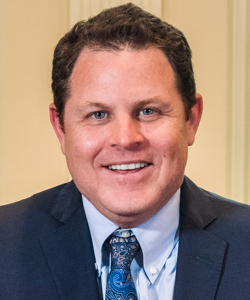
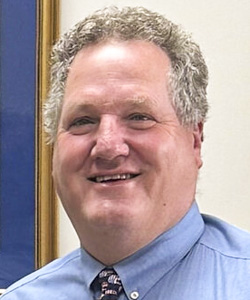
Ben Barnes
100% support rate
Top opponent
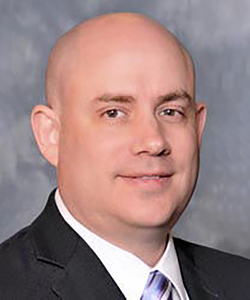
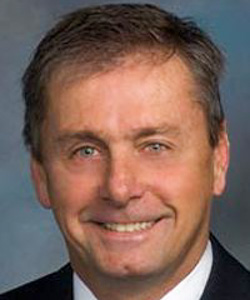
Barrie Ciliberti
0% support rate
Ranked legislators
10
5 support · 5 oppose
Key legislators

Who's moving labor standards in Maryland

Legislators moving labor standards in Maryland
Legislator Party Stance Support rate Votes
Ben Barnes
Ben Barnes House · District 21
D
Strong +
100% 4
David Fraser-Hidalgo
David Fraser-Hidalgo House · District 15
D
Strong +
100% 4
Heather Bagnall Tudball
Heather Bagnall Tudball House · District 33C
D
Strong +
100% 4
Teresa Woorman
Teresa Woorman House · District 16
D
Strong +
100% 4
Jackie Addison
Jackie Addison House · District 45
D
Strong +
100% 3
Barrie Ciliberti
Barrie Ciliberti House · District 4
R
Strong −
0% 4
LaToya Nkongolo
LaToya Nkongolo House · District 31
R
Strong −
0% 4
Kevin Anderson
Kevin Anderson House · District 38A
R
Strong −
0% 3
Terry Baker
Terry Baker House · District 1C
R
Strong −
0% 3
Brian Crosby
Brian Crosby House · District 29B
D
Oppose
29% 7
Showing 1–10 of 17 bills

All labor & employment bills

in committee · Maryland · Senate Feb 12, 2026

SB 804: Labor and Employment - Occupational Safety and Health - Revisions to Heat Stress Standards

SB 804 requires most Maryland employers with employees working in conditions of 80°F or higher (both indoors and outdoors) to create and maintain heat illness prevention plans. These plans must include provisions for providing sufficient shade, water, and rest opportunities; training workers to recognize and respond to heat-related illness; and implementing acclimatization procedures for new employees. Employers must monitor temperatures and establish emergency response protocols when heat thresholds are exceeded, with specific requirements for hydration, rest breaks, and symptom recognition. The law excludes certain emergency operations, short incidental exposures, and workspaces with mechanical cooling below 80°F.
passed · Maryland · House of Delegates Mar 19, 2026

HB 1108: Labor and Employment - Greenhouse Workers - Collective Bargaining and Heat Protection

HB 1108 grants collective bargaining rights to workers in Maryland greenhouses (controlled-environment agricultural operations), allowing them to form unions and negotiate wages, hours, and working conditions with employers. The bill requires the state Labor Secretary to establish regulations for union elections, certification, and resolving bargaining disputes, while mandating greenhouse employers to provide rest breaks during extreme heat to prevent heat-related illness. This law directly affects greenhouse workers and their employers, creating a formal process for union representation and heat protection. It amends Maryland's labor code to include these specific protections for greenhouse workers, who previously lacked these rights under state law.
in committee · Maryland · Senate Feb 12, 2026

SB 886: Consumer Protection and Labor and Employment - Food Service Facilities and Minimum Wage

SB 886 establishes a constitutional right for Maryland workers in food service to be paid at least the state minimum wage without counting tips toward that amount. It removes existing exemptions allowing employers to use tip credits (where tips reduce required wages) and prohibits businesses from including tip credits in employee pay starting on a specified date. The bill also requires food service facilities to clearly disclose any service fees on menus or before ordering, and mandates that such fees be distributed to employees. These changes directly affect tipped workers in restaurants and cafes, and businesses charging service fees in Maryland.
in committee · Maryland · House of Delegates Feb 16, 2026

HB 1229: Consumer Protection and Labor and Employment - Food Service Facilities and Minimum Wage

HB 1229 establishes a constitutional right for Maryland workers to receive at least the state minimum wage without counting tips toward that amount. It bans employers from using tip credits for tipped employees (effective on a specified date) and requires food service facilities to prominently disclose any service fees to customers before ordering. The bill repeals exemptions that allowed lower wages for certain workers (like those in security roles) and updates consumer protections around service fees under Maryland law. These changes directly affect food service workers and restaurant customers, ensuring fairer wage treatment and transparent fee practices.
died · Maryland · House of Delegates Apr 2, 2026

HB 1479: Labor and Employment - Minimum Wage - Increase (Maryland Raise the Wage Act)

HB 1479 (Maryland Raise the Wage Act) increases Maryland's minimum wage for most employers to $15 per hour starting January 1, 2024, rising to $18 per hour beginning January 1, 2028, with future increases tied to the Washington-Arlington-Alexandria Consumer Price Index (CPI). Small businesses (with 49 or fewer employees) receive a phased transition: $15 per hour from January 2024 through December 2028, then $18 per hour starting January 2029. The law automatically adjusts the wage annually based on CPI growth (capped at 5% per year), preventing freezes during periods of no CPI increase. The bill takes effect October 1, 2026, directly affecting all Maryland employers and their hourly workers.
in committee · Maryland · House of Delegates Feb 20, 2026

HB 1543: Labor and Employment - Temporary Workers

HB 1543 establishes a Temporary Worker Oversight Unit within Maryland’s Department of Labor to protect H-2A and H-2B visa holders working temporarily in the state. It requires recruiters to register annually and post a $10,000 bond, prohibits charging workers fees or retaliating for complaints, and mandates employers to file an affidavit confirming no fee violations before hiring. The bill ensures temporary workers can file complaints, access forms in English/Spanish, and receive Spanish interpretation during investigations. It also allows representatives from worker advocacy, legal, health, or labor organizations to enter employer-provided housing to offer assistance, support, and education.
Sub-Topics Labor Standards
died · Maryland · House of Delegates Mar 9, 2026

HB 1307: State Finance and Procurement - Employers Receiving State Public Funds - Unfair Labor Practices

HB 1307 requires employers receiving $250,000 or more in state public funds under a single contract to agree they will not engage in unfair labor practices defined under federal law (29 U.S.C. §158) and acknowledge that violations may result in the state recapturing those funds. It directly affects large state contractors by linking funding eligibility to compliance with federal labor protections under the National Labor Relations Act. The bill authorizes the state to recapture funds for up to two years after disbursement if violations occur, and allows employees to file complaints with the Attorney General, who must investigate and may sue for damages including full fund recovery. The law takes effect July 1, 2026.
signed · Maryland · Senate Apr 28, 2026

SB 831: Labor Law - Child Labor Penalties, Private Sector Employee Labor Relations, and State Employee Labor Standards

SB 831 strengthens Maryland's child labor protections by establishing civil penalties for employers who violate child labor laws (replacing some misdemeanor penalties with fines), directly affecting employers and minors. It prohibits employers from supporting organizations that avoid federal labor law oversight (like those exempt from the National Labor Relations Act) and allows private employees to petition the Public Employee Relations Board for resolution of certain workplace issues. The bill also bans state government agencies from seeking federal waivers of the Fair Labor Standards Act. These changes impact employers, minors, private employees, and state employees across Maryland.
passed · Maryland · House of Delegates Mar 23, 2026

HB 1480: Labor Law - Child Labor Penalties, Private Sector Employee Labor Relations, and State Employee Labor Standards

HB 1480 strengthens child labor protections by prohibiting minors from working in specific hazardous occupations (like manufacturing hazardous substances, construction, or operating machinery) and imposing civil penalties of up to $10,000 for employers who violate these rules. It also creates a new process allowing private sector employees to petition the Public Employee Relations Board to resolve workplace disputes, while banning employers from supporting organizations exempt from federal labor law (like the National Labor Relations Act). Additionally, the bill prohibits state agencies in the Executive Branch from seeking federal waivers of the Fair Labor Standards Act. These changes directly affect employers, private employees, and state government entities in Maryland.
in committee · Maryland · Senate Feb 12, 2026

SB 887: Labor and Employment - Greenhouse Workers - Collective Bargaining and Heat Protection

SB 887 establishes collective bargaining rights for greenhouse workers in Maryland, requiring employers in controlled-environment agricultural operations (like greenhouses) to allow employees to form or join unions. The bill creates new procedures for union elections, certification of representatives, and good-faith bargaining, overseen by the Secretary of Labor. It also mandates employer-provided rest breaks during extreme heat conditions to prevent heat-related illness, aligning with existing heat safety standards. This law directly affects greenhouse workers and their employers, adding specific protections not previously covered under Maryland labor law.
Showing 1 to 10 of 17 bills
1 2 Next