Issue · Healthcare

Healthcare

Every healthcare bill, vote, and legislator stance in Maryland, automatically classified by Maddy, our AI policy reader.

Total bills
376
2026 Regular Session
Top supporter
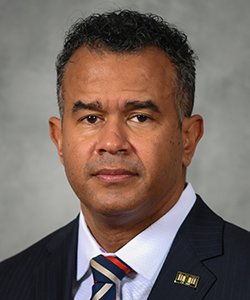
Alonzo Washington
100% support rate
Top opponent
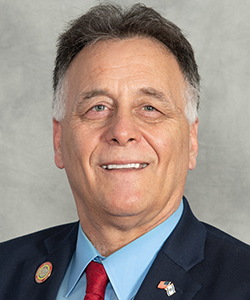
Jason Gallion
0% support rate
Ranked legislators
10
5 support · 5 oppose
Key legislators

Who's moving healthcare in Maryland

Legislators moving healthcare in Maryland
Legislator Party Stance Support rate Votes
Alonzo Washington
Alonzo Washington Senate · District 22
D
Strong +
100% 68
Brian Feldman
Brian Feldman Senate · District 15
D
Strong +
100% 70
C.T. Wilson
C.T. Wilson House · District 28
D
Strong +
100% 98
Kevin Harris
Kevin Harris Senate · District 27
D
Strong +
100% 70
Pam Beidle
Pam Beidle Senate · District 32
D
Strong +
100% 71
Jason Gallion
Jason Gallion Senate · District 35
R
Strong −
0% 71
Jack Bailey
Jack Bailey Senate · District 29
R
Strong −
0% 69
Johnny Salling
Johnny Salling Senate · District 6
R
Strong −
4% 71
J.B. Jennings
J.B. Jennings Senate · District 7
R
Strong −
4% 71
Mary Beth Carozza
Mary Beth Carozza Senate · District 38
R
Strong −
5% 70
Showing 331–340 of 376 bills

All healthcare bills

signed · Maryland · Senate Apr 14, 2026

SB 272: Health Insurance - Scalp Cooling Systems - Required Coverage

SB 272 requires health insurance plans that cover chemotherapy for cancer treatment to also cover scalp cooling systems. These systems are devices designed to prevent or reduce hair loss during chemotherapy by cooling the scalp. The law applies to insurers, nonprofit health service plans, health maintenance organizations, and managed care organizations offering such coverage in Maryland. It takes effect for all policies issued, delivered, or renewed on or after January 1, 2027.
Sub-Topics Insurance
in committee · Maryland · House of Delegates Jan 19, 2026

HB 58: Transportation - Paratransit Services - Interjurisdictional Routes

HB 58 requires counties applying for state transportation funding to identify specific intercounty paratransit routes in their applications. These routes must connect elderly and disabled residents to designated healthcare facilities, including Johns Hopkins Medicine, University of Maryland Medical System, and other major providers listed in the bill. Counties receiving funds must establish these routes and cooperate with neighboring counties to serve transportation needs across jurisdictional boundaries. The bill updates Maryland’s transportation code to ensure funding supports seamless access to healthcare for vulnerable residents through coordinated regional services.
signed · Maryland · House of Delegates Apr 14, 2026

HB 637: Public Health - Recommendations for Immunizations, Screenings, and Preventive Services - Pharmacist Administration and Required Health Insurance Coverage (The Vax Act)

HB 637 ("The Vax Act") requires Maryland's Secretary of Health to issue science-based recommendations for immunizations, screenings, and preventive services using guidance from major medical organizations like the CDC and American Academy of Pediatrics. It expands pharmacists' authority to administer flu, COVID-19, and emergency vaccines to patients aged 3 and older (previously limited to 18+ for some vaccines) after completing specific training. The bill also mandates that health insurance plans cover these recommended services without cost-sharing for patients. This directly affects pharmacists, health insurers, and Maryland residents seeking preventive care, particularly children and adults needing routine vaccinations.
in committee · Maryland · House of Delegates Feb 9, 2026

HB 724: Employment Discrimination - Caregiver Status

HB 724 prohibits employment discrimination based on "caregiver status" in Maryland. It defines caregiver status as providing ongoing care for a minor child or an individual with a disability who relies on the caregiver for medical care or daily needs, including family members like children, spouses, parents, or others in recognized familial relationships. The bill adds caregiver status to Maryland’s list of protected classes under anti-discrimination law, making it illegal for employers to discriminate in hiring, firing, compensation, or employment terms because of this status. It directly affects workers who are caregivers, ensuring they cannot face workplace bias for their caregiving responsibilities.
passed · Maryland · Senate Apr 8, 2026

SB 90: Workers' Compensation - Occupational Disease Presumptions - Hypertension

SB 90 adds hypertension to Maryland's list of occupational diseases presumed to be work-related for specific emergency responders. It makes firefighters, fire fighting instructors, rescue squad members, advanced life support unit members, and State Fire Marshal personnel eligible for workers' compensation benefits if they have hypertension diagnosed by a provider, experience it for at least 90 consecutive days, have at least 2 years of cumulative service in those roles, and are currently employed in those positions. This creates a legal presumption that the hypertension is work-related, eliminating the need to prove direct causation, while clarifying that individuals cannot receive both workers' compensation and disability retirement benefits for the same hypertension condition. The bill takes effect October 1, 2026.
in committee · Maryland · House of Delegates Feb 10, 2026

HB 178: Public Health - Sickle Cell Disease - Specialized Clinics and Scholarship Program for Medical Residents

HB 178 establishes three specialized sickle cell disease clinics in Montgomery County, Harford County, and an Eastern Shore county, operating under a hub-and-spoke model to provide comprehensive care including pain management, mental health services, genetic counseling, and social support. It allocates $6.1 million for fiscal year 2028 to fund clinic operations, staff, training, and community partnerships, with priority for addressing social barriers like transportation and housing. The bill also creates a scholarship program for medical residents specializing in sickle cell disease hematology, requiring recipients to practice in Maryland after training. These provisions directly affect Maryland residents living with sickle cell disease, particularly in underserved communities, by expanding access to coordinated care and increasing specialist availability.
signed · Maryland · House of Delegates Apr 28, 2026

HB 446: Health - Dementia Services and Brain Health Program and Provider Resource Toolkit

HB 446 establishes the Dementia Services and Brain Health Program within Maryland’s Department of Health to lead state public health efforts on brain health and dementia. The program replaces the previous "Director" role for key duties, including staffing the Virginia I. Jones Alzheimer’s Disease and Related Dementias Council and overseeing implementation of the State Plan on Alzheimer’s and related dementias. It requires the program, in partnership with the Department of Aging and other entities, to develop a clinical toolkit for healthcare providers to improve dementia care. The bill updates existing law to formalize this program structure and its responsibilities.
Sub-Topics Public Health
signed · Maryland · Senate Apr 14, 2026

SB 88: State Board of Examiners for Audiologists, Hearing Aid Dispensers, Speech-Language Pathologists, and Music Therapists - Authority to Issue Limited Licenses to Practice Music Therapy

SB 88 creates a limited license for music therapists in Maryland who are completing full licensure requirements. It allows the State Board of Examiners to issue these licenses to applicants who meet education standards (including American Music Therapy Association certification), pay fees, and practice under supervision of a fully licensed music therapist. The limited license is valid for one year, renewable once, but expires if full licensure isn't obtained within two years. This does not replace existing services by audiologists or speech-language pathologists, and the practice of music therapy is defined as using music-based interventions within a therapeutic relationship. The bill directly affects aspiring music therapists seeking licensure and the State Board of Examiners.
Sub-Topics Medical Licensing
in committee · Maryland · Senate Jan 21, 2026

SB 240: Office of Health Care Quality Stakeholder Advisory Council - Establishment

SB 240 establishes the Office of Health Care Quality Stakeholder Advisory Council to provide feedback to Maryland's Office of Health Care Quality about oversight of health care facilities and to notify the Secretary of Health if the Office is negligent in its oversight duties. The council, composed of 18 members including legislators, agency representatives, frontline health workers, nursing home residents, advocacy groups, and industry stakeholders, must hold biannual public meetings with live streaming and public comment opportunities starting in 2027. It will review data on facility inspections, complaints, and response times from the Office, compile feedback into summary reports, and develop recommendations to improve care quality. The council must annually report its findings and recommendations to the Governor and Maryland General Assembly beginning in 2027.
Sub-Topics Long-Term Care
died · Maryland · Senate Feb 16, 2026

SB 97: Reentry and Reintegration Support Program - Establishment

SB 97 establishes a voluntary program to help individuals released from Maryland state prisons access essential benefits more smoothly. It requires the Departments of Human Services, Public Safety, and Health to create a coordinated system where correctional facilities assist "returning citizens" (those expected to be released within 90 days) in applying for SNAP, Temporary Cash Assistance, and Maryland Medical Assistance *before* release. Key provisions include a standardized prerelease application process, help obtaining required documents (like birth certificates and Social Security cards), and secure data sharing to ensure benefits are active upon release. The program must be implemented by October 1, 2026, with departments required to finalize a data-sharing agreement by April 2027. This directly affects people transitioning from incarceration to community life in Maryland.
Showing 331 to 340 of 376 bills
Previous 1 33 34 35 38 Next