Issue · Healthcare

Healthcare

Every healthcare bill, vote, and legislator stance in Maryland, automatically classified by Maddy, our AI policy reader.

Total bills
376
2026 Regular Session
Top supporter
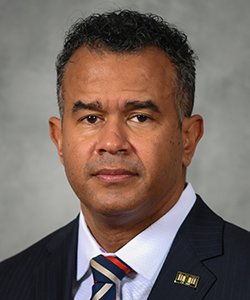
Alonzo Washington
100% support rate
Top opponent
Jason Gallion
0% support rate
Ranked legislators
10
5 support · 5 oppose
Key legislators

Who's moving healthcare in Maryland

Legislators moving healthcare in Maryland
Legislator Party Stance Support rate Votes
Alonzo Washington
Alonzo Washington Senate · District 22
D
Strong +
100% 68
Brian Feldman
Brian Feldman Senate · District 15
D
Strong +
100% 70
C.T. Wilson
C.T. Wilson House · District 28
D
Strong +
100% 98
Kevin Harris
Kevin Harris Senate · District 27
D
Strong +
100% 70
Pam Beidle
Pam Beidle Senate · District 32
D
Strong +
100% 71
Jason Gallion
Jason Gallion Senate · District 35
R
Strong −
0% 71
Jack Bailey
Jack Bailey Senate · District 29
R
Strong −
0% 69
Johnny Salling
Johnny Salling Senate · District 6
R
Strong −
4% 71
J.B. Jennings
J.B. Jennings Senate · District 7
R
Strong −
4% 71
Mary Beth Carozza
Mary Beth Carozza Senate · District 38
R
Strong −
5% 70
Showing 311–320 of 376 bills

All healthcare bills

in committee · Maryland · House of Delegates Feb 5, 2026

HB 632: Certificate of Need - Psychiatric Health Care Facilities and Psychiatric and Mental Health Services - Exemption

HB 632 removes psychiatry and all subcategories of psychiatric services from the definition of "medical service" requiring a Certificate of Need (CON) in Maryland. This exempts psychiatric health care facilities and providers of psychiatric or mental health services from needing state approval before establishing or operating these services. The bill amends Maryland law by deleting "psychiatry" from the list of medical services subject to CON requirements, which currently includes services like surgery, pediatrics, and rehabilitation. This change directly affects psychiatric hospitals, clinics, and mental health programs seeking to expand or open without prior state review. The policy shift simplifies regulatory requirements for mental health service providers.
Sub-Topics Mental Health
passed both · Maryland · Senate Apr 13, 2026

SB 348: Hospitals and Freestanding Birthing Centers - High-Risk Pregnancies - Communication After Discharge

SB 348 requires hospitals and freestanding birthing centers in Maryland to provide specific postpartum support to individuals who have experienced high-risk pregnancies. It mandates that facilities complete referral forms for local health departments, provide resources about postpartum complications (including cardiovascular conditions, chronic disease, substance misuse, and mental health), and call birthing parents 24 to 72 hours after discharge to assess their status. The bill also requires annual reports from health departments detailing referrals made through this process. These provisions apply to all facilities delivering newborns following high-risk pregnancies and take effect October 1, 2026.
signed · Maryland · Senate Apr 14, 2026

SB 14: Health Insurance - Small Business Health Options Program (SHOP) Enrollment - Effective Dates

SB 14 adjusts when health coverage becomes effective for small businesses using Maryland's SHOP Exchange during specific special enrollment periods. It allows SHOP Exchanges to set coverage start dates based on when plan selections are received: the first day of the following month if received by the 15th, or the second month if received after the 15th. This applies to enrollments triggered by court-ordered dependents (like child support), death of an employee or dependent, or divorce/legal separation. The bill directly affects small employers and their employees/dependents who qualify for these special enrollment scenarios under Maryland's SHOP program. It takes effect October 1, 2026.
Sub-Topics Insurance Tags Small Business
signed · Maryland · House of Delegates May 26, 2026

HB 6: Public Institutions of Higher Education - Pregnant and Parenting Students - Plan and Reporting

HB 6 requires Maryland's public colleges and universities to collect and report data on students' parental status, including whether they are parents, guardians, or caregivers of children. Public institutions must adopt a plan by October 2026 that provides referrals to government assistance programs (like WIC, child care scholarships, and Medicaid), campus accommodations, and health services for pregnant and parenting students. The Maryland Higher Education Commission will collect this data annually starting in 2027 and submit reports to legislative committees. This bill directly affects all students enrolled at Maryland's public higher education institutions (including University System schools, Morgan State, and St. Mary’s College) who are pregnant or parenting.
signed · Maryland · Senate May 26, 2026

SB 276: Maryland Medical Assistance Program and Health Insurance - Coverage for Orthoses and Prostheses (So Every Body Can Move Act)

SB 276, the "So Every Body Can Move Act," requires Maryland’s Medicaid program (Maryland Medical Assistance Program) and certain health insurers, nonprofit health plans, and HMOs to cover orthoses (custom braces or supports for musculoskeletal conditions) starting January 1, 2027. It mandates coverage for the devices themselves, components, repairs, and replacements without lifetime limits if a treating provider deems them medically necessary for daily living or work activities. Insurers must follow Medicare’s medical necessity standards and cannot impose higher copays or separate annual dollar limits for this coverage. The bill directly affects Medicaid enrollees and private insurance plan members needing orthotic devices, ensuring broader access to these essential medical supports.
signed · Maryland · Senate Apr 14, 2026

SB 444: Certificate of Need - Intermediate Health Care Facilities

SB 444 repeals an exemption that previously allowed intermediate care facilities offering substance use disorder treatment to change bed capacity without a certificate of need. It creates a new exemption for facilities providing *medically managed residential substance use disorder treatment services*, removing the requirement for a certificate of need if they submit 45 days' written notice to the Commission and the Commission determines the change aligns with the state health plan, improves service efficiency, and serves the public interest. This bill directly affects intermediate care facilities focused on substance use disorder treatment by reducing regulatory barriers for expanding bed capacity or establishing new facilities. The key mechanism is replacing a certificate of need with a streamlined notice-and-review process administered by the Commission. (SB 444, "Certificate of Need - Intermediate Health Care Facilities," 2026)
in committee · Maryland · House of Delegates Feb 5, 2026

HB 679: Health Occupations - Cross-Sex Hormone Therapy for Minors

HB 679 prohibits licensed healthcare providers in Maryland from prescribing, dispensing, or administering cross-sex hormone treatments (including estrogen, testosterone, or blockers) for the purpose of treating gender-related mental health conditions like gender dysphoria in minors. The bill directly affects minors under 18 seeking such treatment and healthcare practitioners who would provide it. Violating this law is classified as a felony, punishable by up to life imprisonment. The law takes effect October 1, 2026, and defines "cross-sex hormone therapy" as treatment to develop secondary sex characteristics for gender transition.
Sub-Topics Mental Health
died · Maryland · House of Delegates Feb 9, 2026

HB 440: Maryland Medical Assistance Program - Individuals With Intellectual and Developmental Disabilities - Provider Reimbursement

HB 440 requires Maryland's Department of Health to create a new reimbursement system for Medicaid providers serving individuals with intellectual and developmental disabilities (IDD). The system would allow higher payment rates for qualifying services, include recurring adjustments to support provider access and service quality, and prioritize rate increases for services needing extra time, communication support, or specialized training. However, the bill only takes effect if federal funds become available by December 31, 2036, under the Health Equity for Adults with Disabilities Act or similar programs; otherwise, it becomes void. If federal funding is secured, the new reimbursement structure would begin on October 1, 2026.
Sub-Topics Medicaid
in committee · Maryland · Senate Jan 21, 2026

SB 120: Health Insurance - Required Benefits for Dental Preventive Care - Frequency Limitation Interval (Healthy Moms and Family Smiles Act)

SB 120 shortens the maximum interval between covered dental preventive visits from 120 to 90 days for Maryland health insurance policies. It directly affects insurers and policyholders by requiring more frequent coverage for routine services like cleanings, exams, and fluoride treatments under existing plans. The bill applies to all policies issued or renewed in Maryland after January 1, 2027, without expanding coverage requirements beyond current preventive care benefits. This change aims to improve access to routine dental care by reducing waiting periods for covered services.
Sub-Topics Insurance Primary Care
signed · Maryland · House of Delegates May 26, 2026

HB 445: Maryland Medical Assistance Program and Health Insurance - Coverage for Orthoses and Prostheses (So Every Body Can Move Act)

HB 445, the "So Every Body Can Move Act," requires Maryland's Medicaid program (Medical Assistance Program) and private health insurers, nonprofit health plans, and HMOs to cover orthoses (supportive devices like braces) starting January 1, 2027. It mandates annual coverage for orthoses, including repairs, replacements, and components, without lifetime dollar limits or higher copays than other medical benefits. The bill clarifies that coverage must include all orthoses deemed medically necessary by a provider for daily living or essential job activities. It directly affects Maryland residents enrolled in Medicaid or private health plans covering hospital/medical benefits, ensuring access to these devices without restrictive lifetime limits or unnecessary barriers.
Showing 311 to 320 of 376 bills
Previous 1 31 32 33 38 Next