Issue · Criminal Justice

Criminal Justice (Firearms)

Every criminal justice bill, vote, and legislator stance in Maryland, automatically classified by Maddy, our AI policy reader.

Total bills
15
2026 Regular Session
Top supporter
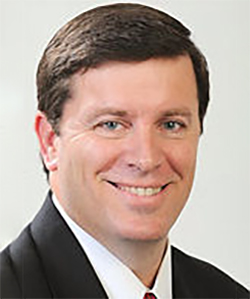
Bryan Simonaire
100% support rate
Top opponent
Dalya Attar
0% support rate
Ranked legislators
10
5 support · 5 oppose
Key legislators

Who's moving firearms in Maryland

Legislators moving firearms in Maryland
Legislator Party Stance Support rate Votes
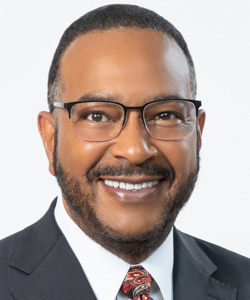
Bryan Simonaire
Bryan Simonaire Senate · District 31
R
Strong +
100% 6
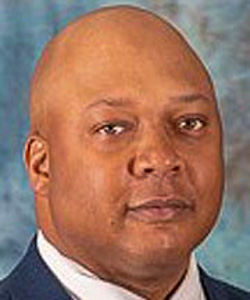
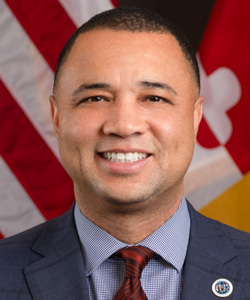
Andre Johnson
Andre Johnson House · District 34A
D
Strong +
88% 8
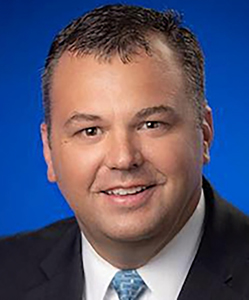
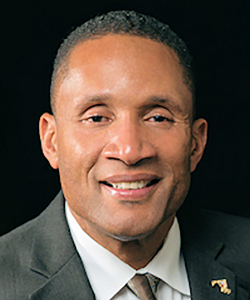
J.B. Jennings
J.B. Jennings Senate · District 7
R
Strong +
83% 6
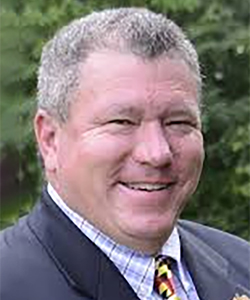
Jack Bailey
Jack Bailey Senate · District 29
R
Strong +
83% 6
Jason Gallion
Jason Gallion Senate · District 35
R
Strong +
83% 6
Dalya Attar
Dalya Attar Senate · District 41
D
Strong −
0% 4
Alonzo Washington
Alonzo Washington Senate · District 22
D
Strong −
17% 6
Anthony Muse
Anthony Muse Senate · District 26
D
Strong −
17% 6
Antonio Hayes
Antonio Hayes Senate · District 40
D
Strong −
17% 6
Arthur Ellis
Arthur Ellis Senate · District 28
D
Strong −
17% 6
Showing 1–10 of 15 bills

All criminal justice bills

in committee · Maryland · House of Delegates Feb 5, 2026

HB 741: Firearms Dealers and Employees - Required Training and Exam

HB 741 requires all Maryland firearms dealers and their employees to complete annual training and pass a written exam on firearm laws, safety, theft prevention, and recognizing illegal activities like straw purchases. Starting January 1, 2027, new applicants must complete the training before applying, current dealers must renew annually, and new hires must complete it within 20 days of starting work. The Secretary of State Police must approve a training course by October 1, 2026, and administer the exam, with a passing score of 70%. Dealers must maintain records of all passed exams, and violations carry a $1,000 civil penalty.
Sub-Topics Firearms Policing
in committee · Maryland · House of Delegates Feb 16, 2026

HB 1309: Commission to Review and Assess Racial Disparities in the State Criminal Justice System - Establishment

HB 1309 establishes a Commission to study racial disparities in Maryland’s criminal justice system, directly affecting African American, Hispanic, and other non-White individuals who experience disproportionate treatment. The Commission, composed of legislative leaders, public defenders, prosecutors, court officials, and community advocates, will examine disparities in policing, arrests, sentencing, and data collection. It will specifically assess cumulative impacts of disparate practices, mandatory minimums (including firearm offenses), and propose reforms like race-neutral risk assessments and expanded judicial discretion. The Commission must make recommendations by 2028, focusing on systemic changes to improve transparency and reduce racial inequities without implementing new laws itself.
in committee · Maryland · House of Delegates Mar 12, 2026

HB 1541: Workgroup to Study Extreme Risk Protective Orders (Sagar Ghimire Act)

HB 1541 establishes a 6-member workgroup to study Maryland's use of extreme risk protective orders (ERPOs), which allow courts to temporarily remove firearms from individuals deemed a risk to themselves or others. The workgroup includes the Secretary of Health (as chair), Attorney General, Public Defender, police and sheriffs' association leaders, and a mental health services representative. It will study current ERPO practices and develop policy recommendations by May 1, 2027, reporting to the Governor and legislature. The workgroup will expire automatically on June 30, 2028, with no further legislative action required. This bill does not change ERPO laws but creates a process to evaluate and improve them.
Sub-Topics Firearms Policing
in committee · Maryland · Senate Feb 12, 2026

SB 692: Firearms Dealers and Employees - Required Training and Exam

SB 692 requires all licensed firearms dealers, their applicants, and employees to complete mandatory training and pass a written exam by January 1, 2027. The training covers state/federal firearm laws, preventing theft, safe storage, recognizing straw purchases, trafficking, and other illegal activities. Dealers must maintain proof of completion for all employees at their business location, and failure to comply carries a $1,000 civil penalty. The Secretary of State Police must approve at least one online training course and administer the exam by October 1, 2026, with a 70% passing requirement.
Sub-Topics Firearms Policing
in committee · Maryland · House of Delegates Mar 11, 2026

HB 1123: Criminal Law - Minor's Access to Firearms - Penalty

HB 1123 amends Maryland's criminal code to impose misdemeanor penalties for adults who store or leave a loaded firearm in a location where they knew or should have known an unsupervised minor could access it. The law directly affects adult firearm owners responsible for storage safety, with penalties including up to 5 years in prison, a $1,000 fine, or both. Key exemptions include supervised access by an adult, unlawful entry, law enforcement use during duty, or minors with valid hunter safety certificates. The bill explicitly states violations cannot be used as evidence of negligence in civil cases involving firearm-related injuries or property damage. This bill is scheduled to take effect October 1, 2026.
in committee · Maryland · House of Delegates Feb 10, 2026

HB 197: Comprehensive Community Safety Funding Act

HB 197 creates a new excise tax on firearms, accessories, and ammunition sales by dealers in Maryland. The tax applies to all retail sales within the state, with revenue distributed to five specific community safety programs: 26% to violence prevention, 26% to trauma care, 20% to community support, 20% to survivor services, and 8% to the University of Maryland Medical System. The bill directs funds to supplement existing programs rather than replace them. This tax targets firearms dealers as the direct taxpayers, with revenue funding state-level safety initiatives.
Sub-Topics Sales Tax Firearms
in committee · Maryland · Senate Mar 9, 2026

SB 118: Comprehensive Community Safety Funding Act

SB 118 imposes a new excise tax on gross receipts from firearm, accessory, and ammunition sales by federally licensed dealers in Maryland. The tax revenue will fund specific community safety programs: 26% to violence prevention initiatives, 26% to trauma centers, 20% to community safety partnerships, and smaller portions to survivor support and trauma physician services. The bill rewrites multiple sections of Maryland law to create this tax, establish revenue distribution rules, and define key terms like "firearm" and "ammunition." It explicitly states the funding is intended to supplement, not replace, existing state funding for these programs.
in committee · Maryland · Senate Jan 14, 2026

SB 20: Family and Law Enforcement Protection Act

SB 20, the "Family and Law Enforcement Protection Act," modifies Maryland's domestic violence protective order process to require firearm surrender when abuse involves firearms or threats. It directly affects victims seeking protective orders, respondents (abusers) who possess firearms, and law enforcement handling these cases. Key provisions mandate petitioners to provide specific firearm details (make, model, location, and vehicle info) if firearms are alleged to be in the respondent's possession, and require courts to automatically order firearm surrender and license relinquishment in temporary protective orders when abuse involved firearm use, threats, or serious harm. This strengthens firearm safety measures during domestic violence proceedings without changing eligibility for protective orders.
signed · Maryland · House of Delegates Apr 28, 2026

HB 281: Family Law - Child Care Providers - Criminal Background Investigations

HB 281 requires background checks for individuals working with children in specific settings. It mandates licensed child care centers, family child care homes, foster care facilities, schools, camps, and similar organizations to obtain national and state criminal history checks for all employees, volunteers, and certain caregivers - including neighbors or friends providing sudden care due to a primary caretaker's unavailability. Facilities must submit fingerprints and pay a fee to the Criminal Justice Information System Central Repository. The bill directly affects providers serving minors and expands background check requirements to include new categories like "sudden caregivers" and individuals residing in homes where informal child care occurs.
Sub-Topics Firearms
signed · Maryland · Senate May 26, 2026

SB 323: Juvenile Court - Jurisdiction, Detention, and Confinement (Youth Charging Reform Act)

SB 323 (Youth Charging Reform Act) removes restrictions that previously prevented Maryland juvenile courts from handling cases involving youth aged 16 and older accused of serious crimes. It repeals provisions that excluded such cases for offenses like murder, robbery, gun crimes, and aggravated violence, expanding juvenile court jurisdiction to include these charges. Now, youth 16+ facing these specific allegations will be processed in juvenile court instead of being automatically sent to adult court. This change affects juvenile courts, prosecutors, and youth aged 16+ charged with the listed offenses under Maryland law.
Showing 1 to 10 of 15 bills
1 2 Next