

Issue · Criminal Justice
Criminal Justice
Every criminal justice bill, vote, and legislator stance in Maryland, automatically classified by Maddy, our AI policy reader.
Total bills
229
2026 Regular Session
Top supporter
Stuart Schmidt
91% support rate
Top opponent
Jim Hinebaugh
41% support rate
Ranked legislators
10
5 support · 5 oppose
Key legislators
Who's moving criminal justice in Maryland
| Legislator | Party | Stance | Support rate | Votes |
|---|---|---|---|---|
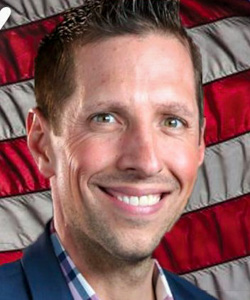
Stuart Schmidt
House · District 33B
|
R |
Strong +
|
91% | 182 |

Katie Hester
Senate · District 9
|
D |
Strong +
|
80% | 86 |

Brian Crosby
House · District 29B
|
D |
Support
|
72% | 101 |

Mary-Dulany James
Senate · District 34
|
D |
Support
|
71% | 88 |

Matthew Schindler
House · District 2B
|
D |
Support
|
67% | 191 |

Jim Hinebaugh
House · District 1A
|
R |
Mixed −
|
41% | 162 |

Dalya Attar
Senate · District 41
|
D |
Mixed −
|
42% | 77 |
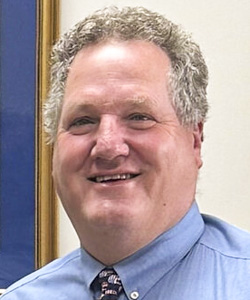
Kevin Anderson
House · District 38A
|
R |
Mixed −
|
42% | 119 |

Steve Hershey
Senate · District 36
|
R |
Mixed −
|
43% | 108 |
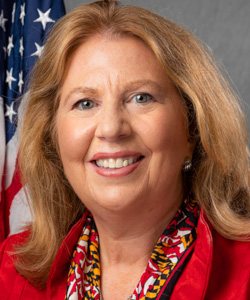
Mary Beth Carozza
Senate · District 38
|
R |
Mixed −
|
43% | 110 |
Showing 191–200 of 229
bills
All criminal justice bills
HB 409: Juvenile Court - Jurisdiction (Youth Charging Reform Act)
SB 436: Minors Convicted as Adults - Sentencing - Transfer to Juvenile Court
HB 360: Criminal Procedure - Automated Expungement (Clean Slate Act of 2026)
SB 315: Criminal Procedure - Expungement - Adverse Actions and Removal From Maryland Electronic Courts (MDEC) System
Topics
✓ Criminal JusticeSupports Criminal JusticeClarifies expungement rights to prevent employment/education denial and removes cannabis cases from court records, advancing criminal justice reform by reducing barriers for individuals with expunged records.
✓ Labor & EmploymentSupports Labor & EmploymentPrevents employment discrimination based on expunged criminal records, protecting workers' rights to fair hiring practices by prohibiting denial of jobs over sealed cases.
Sub-Topics
Drug Policy
SB 268: Correctional Services – Restrictive Housing – Individuals With Developmental or Intellectual Disabilities
Topics
✓ Criminal JusticeSupports Criminal JusticeRestricts solitary confinement for disabled inmates, aligning with civil rights protections and reform goals in corrections.
✓ HealthcareSupports HealthcareMandates mental health assessments for inmates with disabilities and limits restrictive housing, protecting vulnerable individuals' mental health care access in correctional facilities.
HB 507: Qualifying Nonprofit Organizations - Incarcerated Individual Training and Reentry Grant Fund - Extension
Topics
✓ Budget & TaxesSupports Budget & TaxesExtends annual $1M appropriation for nonprofit reentry programs, advancing state funding for public services.
✓ Criminal JusticeSupports Criminal JusticeExtends $1M annual funding for nonprofits providing automotive repair training/reentry services to incarcerated individuals, aiming to reduce recidivism via job placement and certification programs.
✓ Labor & EmploymentSupports Labor & EmploymentExtends $1M annual funding for job training/reentry programs requiring 50% job placement, directly advancing employment outcomes for formerly incarcerated workers.
SB 310: Criminal Records - Maryland Judiciary Case Search - Traffic Violation by a Minor
Topics
✓ Criminal JusticeSupports Criminal JusticeRemoves minor traffic violations from public searches to prevent long-term barriers for youth, aligning with criminal justice reform goals of reducing recidivism and protecting minors' opportunities.
✓ TechnologySupports TechnologyBill removes minors' traffic violation data from public online case searches, directly enhancing data privacy protections within digital systems.
Sub-Topics
Juvenile Justice
HB 132: Wiretapping and Electronic Surveillance - Intercepted Communications - Admissibility of Evidence
Topics
✓ Criminal JusticeSupports Criminal JusticeSets higher standards for admissibility of intercepted evidence, requiring defense notice and ensuring it serves justice, protecting defendant rights in criminal trials.
✗ TechnologyOpposes TechnologyBill expands admissibility of wiretapped communications in court, making it easier to use privacy-intrusive evidence without strict privacy safeguards, weakening data privacy protections.
SB 379: Recovery Residence Grant Program - Funding
Topics
✓ Budget & TaxesSupports Budget & TaxesBill mandates annual $500k state budget allocation for recovery residences, ensuring stable funding for essential addiction support services through 2030.
✓ Criminal JusticeSupports Criminal JusticeFunds recovery residences for addiction rehabilitation, directly advancing criminal justice reform by supporting rehabilitation programs and reducing recidivism.
✓ HealthcareSupports HealthcareFunds addiction recovery residences (mental health support) via mandatory annual $500k budget allocation, preventing funding gaps for critical healthcare services.
✓ HousingSupports HousingFunds recovery residences (sober living housing) for addiction recovery, directly supporting affordable housing initiatives via annual budget allocation.
Sub-Topics
Substance Abuse