

Maddy summaryThis joint resolution seeks to block a Federal Communications Commission (FCC) rule that aimed to expand internet access for schools through the E-Rate program, specifically addressing the "homework gap" by increasing funding for student connectivity. The rule, published in the Federal Register on August 20, 2024, would have modified how schools and libraries access broadband under the E-Rate program. If passed, the resolution would cancel this rule, preventing it from taking effect under federal disapproval procedures. This is a procedural action targeting a specific FCC regulatory change, not a new policy.
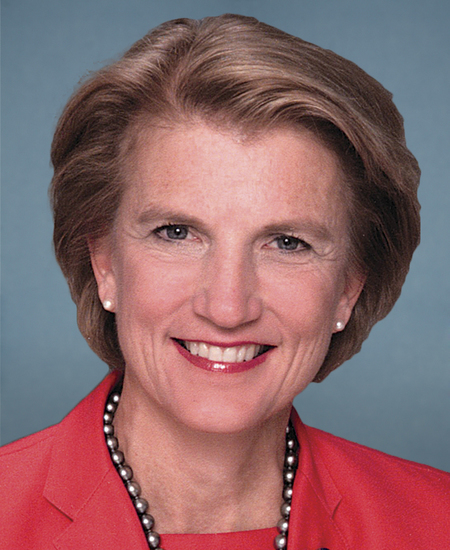
Sen. Shelley Moore Capito
Sponsored bills
Maddy summarySRES 212 is a non-binding Senate resolution affirming that any U.S.-Iran nuclear agreement must require Iran to completely dismantle its nuclear program and adopt strict international inspections. It specifies that acceptable outcomes include Iran disclosing all nuclear activities, allowing unimpeded IAEA access to all sites for verification, and permanently forgoing uranium enrichment and reprocessing. The resolution also mandates that any future U.S.-Iran agreement (a "123 Agreement") must include these safeguards. This resolution expresses the Senate's position on non-negotiable terms for nuclear diplomacy but does not create new law or policy.
Maddy summaryThis bill requires Medicare to cover "prescription digital therapeutics" (software-based treatments for medical conditions, like apps for diabetes management or mental health) starting January 1, 2026. It mandates Medicare to establish payment rules for manufacturers - considering actual costs and usage - and create specific billing codes for these tools. Manufacturers must annually report pricing, distribution volume, and user data to Medicare, with penalties for noncompliance. The bill directly affects Medicare beneficiaries, digital therapeutic developers, and healthcare providers who prescribe these digital health tools.
Maddy summaryThis bill increases tax deductions for small businesses and manufacturers by raising limits on expensing equipment and assets. It permanently extends a business interest deduction rule and boosts the Section 179 deduction cap from $1 million to $2.5 million (with the phaseout threshold rising from $2.5 million to $4 million). The changes apply to property placed in service after December 31, 2024, and include inflation adjustments starting in 2025. These provisions directly benefit eligible small businesses and manufacturers by reducing their taxable income when purchasing qualifying equipment.
Maddy summaryThis bill allows businesses to immediately deduct research and development (R&D) costs instead of spreading them over 60 months, directly benefiting companies investing in innovation. It increases the refundable R&D credit cap for small businesses from $250,000 to $750,000 over time, with specific phase-in amounts starting in 2025. Additionally, it expands access for startups by raising the gross receipts threshold for eligibility from $5 million to $15 million and increasing credit rates for qualified small businesses. These changes aim to make R&D tax incentives more accessible and valuable for smaller companies and new ventures.
Maddy summaryThis bill delays Medicare payment changes for ground ambulance services until 2028 and adds temporary rate increases during a transition period. It directly affects Medicare beneficiaries using ambulance services and ambulance providers who bill Medicare, particularly in rural areas. Key provisions extend the effective date for payment adjustments from October 2025 to January 2028 and establish temporary payment rates: 26.7% for super-rural ambulance services and 4.3% or 3.4% for regular ground ambulance services during the transition period (October 2025-January 2028). These changes aim to prevent sudden payment cuts that could disrupt access to ambulance care.
Maddy summarySRES 206 is a symbolic Senate resolution supporting National Nurses Week, to be observed May 6-12, 2025. It recognizes nurses’ contributions to healthcare, highlights their role as patient advocates and leaders in public health, and acknowledges their impact across all stages of life. The resolution encourages the public to observe the week with recognition and activities but does not create new laws or alter policies. It directly honors the nursing profession, which includes over 4.9 million registered nurses in the U.S., without imposing any requirements on government or institutions.
Maddy summarySRES 201 is a non-binding Senate resolution designating the week of May 4-10, 2025, as "National Small Business Week." It honors small businesses and entrepreneurs across all U.S. communities for their economic contributions, citing that small businesses support over 59 million jobs. The resolution recognizes their resilience and celebrates their role in strengthening local economies. This symbolic gesture, consistent with annual presidential proclamations since 1963, does not create new laws or affect any specific group through policy changes.
Maddy summaryThis bill reauthorizes federal research funding for preterm birth prevention and infant care through 2029, extending the previous program period. It mandates a comprehensive study by the National Academies on the financial costs of preterm births (including NICU stays and long-term family expenses), factors influencing preterm birth rates, and opportunities for early detection. The study requires a final report with raw data to Congress within 24 months, covering research strategies, state best practices, and precision medicine approaches. The bill directly affects the Department of Health and Human Services (which must establish an interagency working group), the National Academies (as the study contractor), and Congress (as the recipient of the final report).
Maddy summaryThis Senate resolution (SRES 193) designates April 2025 as "Financial Literacy Month" to raise public awareness about the importance of personal financial education and the consequences of financial illiteracy. It does not create new laws or directly affect specific groups; instead, it calls on federal, state, local, school, nonprofit, and business entities to observe the month with educational programs. The resolution cites statistics on unbanked households, student debt, and the benefits of financial education as context, but the only action taken is the symbolic designation. This is a procedural resolution with no binding requirements.