

Maddy summaryHR 4153, the STRONG Act, increases maximum loan limits for two key Small Business Administration (SBA) programs. It raises the cap for standard 7(a) loans from $3.75 million to $7.5 million (and the threshold for higher amounts from $5 million to $10 million), and doubles the cap for development company loans from $5 million to $10 million (for both standard and higher thresholds). These changes directly affect small businesses seeking SBA financing by allowing them to access larger loans for growth, expansion, or recovery. The bill modifies specific provisions in the Small Business Act and Small Business Investment Act to expand access to capital.
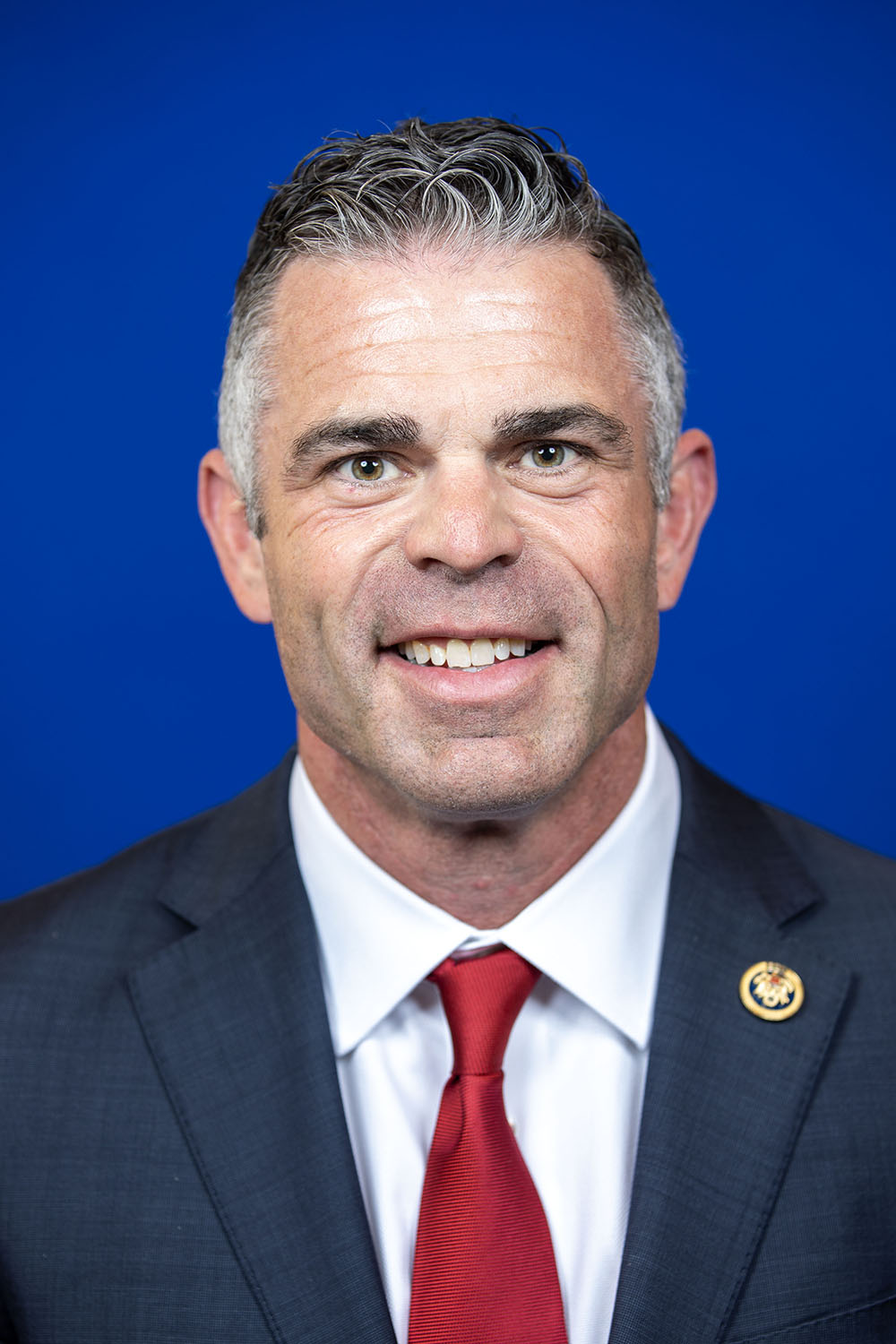
Rep. Tony Wied
Sponsored bills
Maddy summaryThis bill makes technical corrections to the Camp Lejeune Justice Act of 2022 to streamline claims for individuals harmed by water contamination at Camp Lejeune. It clarifies the evidence required (30+ days at the base plus a link between contaminants and health harm), specifies that cases must be handled in North Carolina courts (with limited transfer options), and sets attorney fee caps (20% before suit, 25% after). These changes directly affect veterans and civilians who lived at Camp Lejeune and filed claims under the 2022 law. The bill does not create new eligibility but aims to improve the legal process for existing cases.
Maddy summaryThe LEDGER Act (HR 4091) requires the Treasury Department to create a system tracking every government payment within 180 days of enactment. It mandates that all federal departments, agencies, and branches (executive, legislative, judicial) must report disbursements from every funding source, including how long funds remain available for spending. This system will detail each payment's origin, recipient, and timing across all government accounts. The bill directly affects all federal spending entities by standardizing expenditure tracking previously handled inconsistently.
Maddy summaryHR 4098, the Stopping Proxy Advisor Racketeering Act, prohibits proxy advisory firms from providing voting advice when they have conflicts of interest, such as offering consulting services to the companies they advise or modifying recommendations based on whether a company subscribes to their services. The bill specifically bans firms from changing voting guidance due to client relationships, providing advice while engaging in stewardship services for shareholders, or supporting shareholder proposals they also advise on. It requires the SEC to enforce these rules through civil penalties for violations, targeting firms like Institutional Shareholder Services (ISS) and Glass Lewis that provide paid voting recommendations to investors. This directly affects proxy advisory firms and the public companies whose voting matters they influence.
Maddy summaryHR 4110, the Organic Dairy Data Collection Act, requires the U.S. Department of Agriculture (USDA) to establish new data collection systems for organic dairy producers. Specifically, it mandates the Secretary of Agriculture to support programs gathering cost-of-production data for organic milk (including feed costs like corn and soybeans), create a monthly Organic All Milk Prices Survey analogous to existing conventional milk surveys, and publish periodic reports with organic-specific data such as state-level costs, regional production volumes, mailbox prices for top dairy regions, and organic feed prices. These reports must be published using existing USDA data services (National Agricultural Statistics Service, Economic Research Service, Agricultural Marketing Service) and include the top 6 organic dairy-producing regions. The bill directly affects organic dairy farmers by creating standardized, publicly available data on their production costs and market prices, which was previously not systematically reported.
Maddy summaryThis bill (HR 3820) renames the women's health clinic at Milwaukee's Clement J. Zablocki VA Medical Center as the "Anna Mae Robertson VA Well Woman Clinic." It directly affects the clinic's official designation and all future references to it in U.S. government documents, maps, and records. The key provision is a simple name change requiring all federal materials to update the clinic's name to honor Anna Mae Robertson, with no policy or service changes to the clinic itself.
Maddy summaryHRES 527 is a symbolic resolution designating June 2025 as "National Dairy Month" to honor dairy's role in nutrition and the agricultural economy. It recognizes dairy as a key source of calcium and vitamin D (per Dietary Guidelines), supports over 3.2 million jobs, and highlights the industry's $793 billion economic impact. The resolution encourages public support for dairy farmers while condemning unfair regulatory burdens on the sector. As a non-binding expression of support, it does not create new laws or funding.
Maddy summaryThis bill requires state governments to reimburse the federal government 100% of costs when National Guard deployments into federal service are determined to have resulted from state government negligence. It directly affects state governments that deploy National Guard units under federal authority (e.g., during invasions, rebellions, or law enforcement actions). The key provision mandates the President to assess state negligence within 30 days of a deployment’s end, triggering full reimbursement unless waived for financial hardship or when deployments primarily protect federal property. Exceptions for financial hardship or federal property protection are explicitly included, and the law applies retroactively to all such deployments after June 1, 2025.
Maddy summaryH.J. Res. 93 would withdraw U.S. congressional approval of the World Trade Organization (WTO) Agreement, which was originally approved under the Uruguay Round Agreements Act of 1994. This action would end the United States' legal obligation to participate in the WTO, removing the country from the global trade organization. The bill specifically targets the approval granted by Congress, not the executive branch's role in trade. As a result, U.S. trade policy would no longer be subject to WTO rules or dispute resolution processes.
Maddy summaryHR 3932 (Rural Upgrades for Road Access and Local Growth Act of 2025) reserves 30% of surface transportation grant funds annually for mid-sized rural communities (10,000-75,000 residents), ensuring dedicated funding regardless of urban status. It also accelerates the grant approval process by reducing processing timelines from 60 days to 3 days for applications and decisions. This directly affects rural counties and towns in the specified population range, as well as the Transportation Department managing the program. The bill makes concrete changes to fund allocation and administrative speed, aiming to improve road access in underserved rural areas.