

Maddy summaryThis resolution (HRES 503) is a non-binding expression of support for designating June 11, 2025, as "World Franchise Day." It does not create new laws or directly affect any individuals or businesses; instead, it symbolically recognizes franchising's economic role. The resolution cites franchising's history (tracing to Benjamin Franklin and Isaac Singer), its current scale (830,876 U.S. establishments supporting 8.8 million jobs), and its contribution to the economy (nearly 3% of GDP). It is a procedural resolution, not a policy change, meant to acknowledge franchising's significance as a business model.
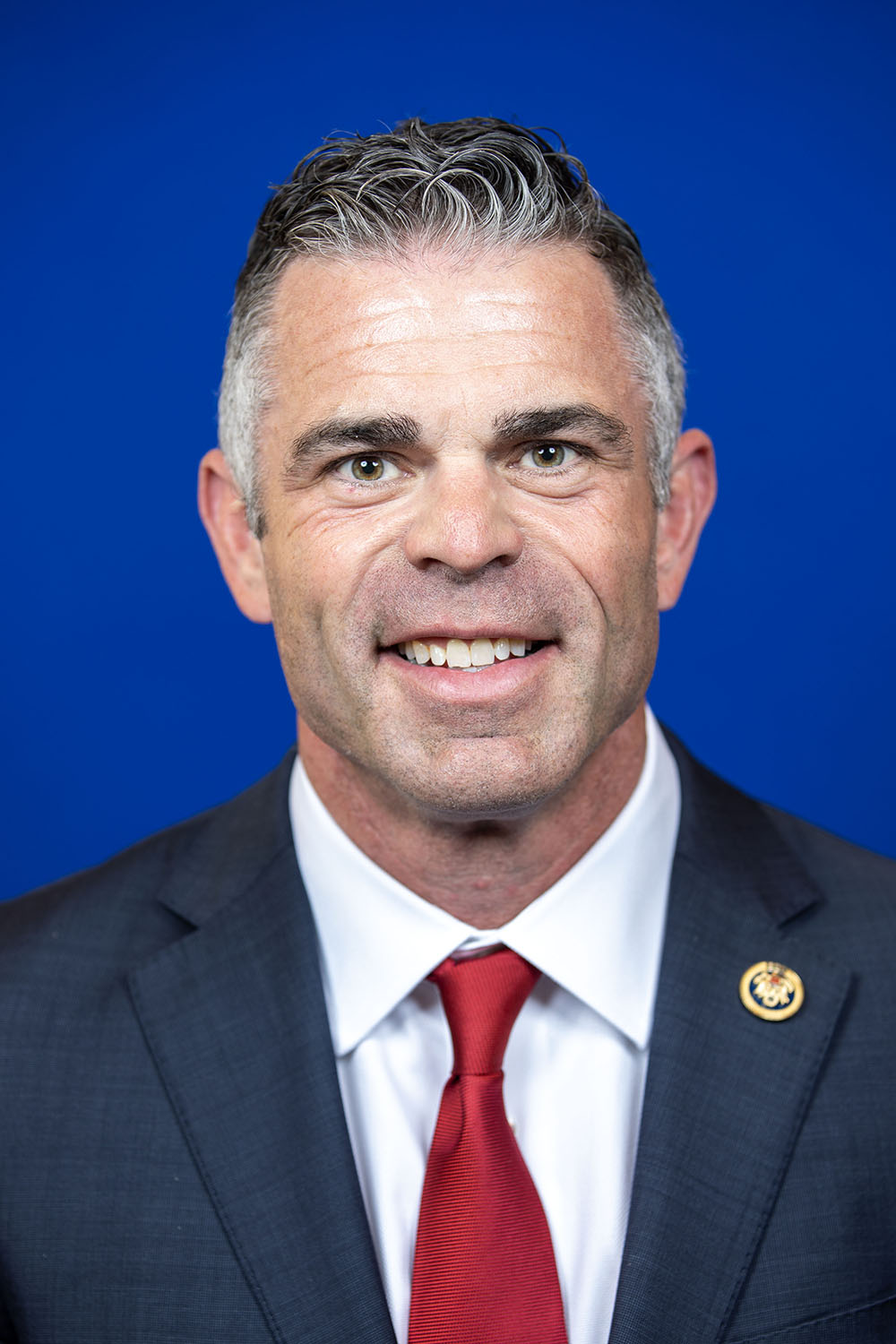
Rep. Tony Wied
Sponsored bills
Maddy summaryHR 3920, the Lawless Cities Accountability Act of 2025, prohibits federal funding to any state or local jurisdiction designated as a "lawless jurisdiction" by the Attorney General. A jurisdiction is defined as lawless if it blocks law enforcement during widespread violence, withdraws protection from areas officers should access, defunds police, or refuses federal assistance during crises. The Attorney General must make quarterly public determinations of lawless jurisdictions and publish explanations, with federal funds resuming only after 180 days or when the designation ends. This bill directly affects state and local governments meeting these criteria by cutting off federal financial support until they address the issues. It establishes a clear, time-bound mechanism for withholding and restoring funding based on the Attorney General's determinations.
Maddy summaryHR 3894, the SAFE Cities Act, requires the Attorney General to publish and update every 180 days a list of jurisdictions (states or local governments) that refuse to stop violence and property destruction, based on specific criteria like blocking police intervention or defunding law enforcement. The bill directs the Office of Management and Budget to issue guidance restricting federal grant eligibility for these jurisdictions, to the extent permitted by law. It would directly affect local or state governments meeting the defined criteria, potentially limiting their access to federal funding. The law focuses on creating a federal mechanism to identify and financially disfavor jurisdictions with policies deemed insufficient for public safety.
Maddy summaryHR 1182, the Compressed Gas Cylinder Safety and Oversight Improvements Act of 2025, requires foreign manufacturers of gas cylinders used to transport hazardous materials in the U.S. to obtain annual safety approvals (with a possible 5-year extension under strict conditions) instead of indefinite ones. The bill mandates that these manufacturers answer specific safety-related questions about past penalties, sanctions, or compliance issues before approval and requires public comment periods for new applications. It also establishes a process for reevaluating approvals based on evidence of inaccurate information and strengthens oversight through annual inspections and cost recovery for foreign inspections. The law directly affects foreign cylinder manufacturers seeking to sell into the U.S. market, aiming to improve safety oversight through stricter, time-limited approvals and transparency.
Maddy summaryHR 649, the Whole Milk for Healthy Kids Act of 2025, amends the National School Lunch Act to allow schools participating in the program to offer students both organic and non-organic whole milk, in addition to reduced-fat, low-fat, and fat-free options. Key provisions include clarifying that milk fat in whole milk should not count toward saturated fat limits for meal compliance, prohibiting schools from purchasing milk from Chinese state-owned enterprises, and ensuring schools cannot be barred from offering the full range of milk types listed. The bill directly affects public and private schools serving the National School Lunch Program by expanding their milk options for students. It focuses on concrete policy changes to dietary offerings and sourcing restrictions within the school nutrition program.
Maddy summaryThis bill would reform immigration parole by requiring the Secretary of Homeland Security to grant temporary entry only on a case-by-case basis for urgent humanitarian needs or significant public benefit, reversing what the bill describes as systemic overuse. It imposes a strict annual cap of 3,000 paroles starting in fiscal year 2029, restricts parole for nationals of designated "countries of concern" without a State Department waiver, and allows states to sue if they claim financial harm exceeding $100 from parole decisions. The bill directly affects immigrants seeking temporary entry and DHS officials administering the program. Key mechanisms include the new cap, country restrictions, and state lawsuit provisions to enforce compliance.
Maddy summaryHR 1642, the Connecting Small Businesses with Career and Technical Education Graduates Act of 2025, requires Small Business Development Centers (SBDCs) and Women’s Business Centers (WBCs) to help small businesses connect with career and technical education (CTE) programs. Specifically, SBDCs must provide small businesses with information on hiring CTE graduates and relevant programs, while WBCs must do the same for women-owned businesses. The bill also directs these centers to connect businesses with CTE programs to help students and graduates find jobs. This directly affects small businesses (and women-owned businesses for WBCs), CTE programs, and their graduates by creating formal pathways for hiring. The policy change mandates new duties for existing centers under the Small Business Act, without altering funding or creating new programs.
Maddy summaryHR 3598, the Deescalation Drone Pilot Program Act of 2025, establishes a federal pilot program to test nonlethal drones for law enforcement during active shooter events. The program, managed by the FAA, will review nonlethal devices (like sound emitters or cameras) for drones, develop training and safety protocols, and assess effectiveness in indoor scenarios to increase officer safety. It requires drones to be manufactured in the U.S. and mandates a report to Congress within 3 months of the pilot's conclusion, followed by rulemaking to create a formal approval process for law enforcement use. The bill directly affects Federal, State, local, and Tribal law enforcement agencies responding to active shooter events as defined by the legislation.
Maddy summaryHRES 421 is a resolution memorializing 345 law enforcement officers killed in the line of duty during 2024, listing each officer's name. It expresses the House of Representatives' support for law enforcement, acknowledges the sacrifice of these officers, and recognizes the need for adequate resources to protect officers while they serve the public. The resolution also extends condolences to the families of fallen officers. As a ceremonial resolution, it does not create new laws or policies but serves as a formal tribute.
Maddy summaryThis bill restores a tax deduction for personal losses caused by disasters, crimes, or scams (like stolen property or damage from hurricanes). It directly affects taxpayers who filed returns before 2025 but couldn’t claim this deduction due to a prior suspension. The bill reinstates the deduction and extends the deadline to file refund claims for these losses until the tax filing deadline for the year the bill becomes law. This allows eligible individuals to claim refunds they were previously barred from receiving.