

Maddy summaryThis bill authorizes the awarding of a Congressional Gold Medal to Daniel Penny for his actions on May 1, 2023, when he restrained a man with 42 prior arrests on a New York City subway, protecting passengers. The medal, to be struck by the U.S. Mint, will be presented posthumously to Penny, a Marine Corps veteran. Duplicate bronze medals may be sold to cover production costs, with proceeds deposited into the U.S. Mint fund. As a commemorative act, it has no policy impact beyond honoring Penny's actions.
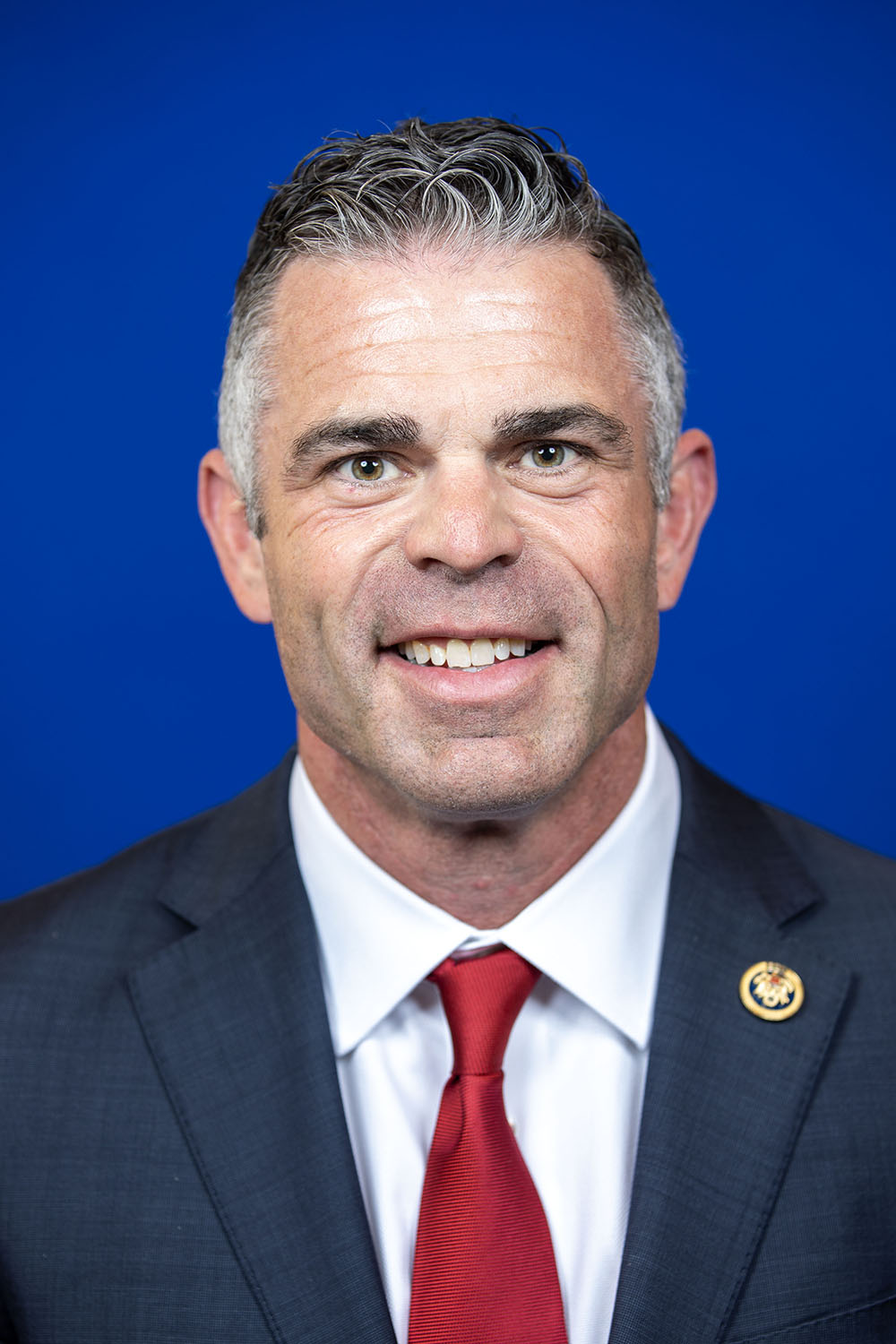
Rep. Tony Wied
Sponsored bills
Maddy summaryHR 10308 would create a refund program for businesses that handle permanently dyed diesel or kerosene fuel used off-road (like for farming or construction). It allows eligible businesses to receive a payment equal to taxes previously paid on this fuel, which is legally marked with indelible dye and exempt from highway taxes. The refund applies when the fuel is removed from a terminal, and the program would begin 180 days after the bill becomes law. This affects fuel distributors and businesses managing legally dyed off-road fuel.
Maddy summaryHR 9534, the National Constitutional Carry Act, would prohibit states and localities from banning or restricting the public carrying of legally owned firearms by eligible U.S. citizens. It directly affects all gun owners who meet federal and state possession requirements, removing the need for permits or licenses to carry in public spaces. Key provisions state that any state law restricting public carry - such as requiring permits or imposing financial barriers - would be invalidated, with exceptions for privately-owned businesses that clearly prohibit firearms or locations with security screening. The bill bases this on Supreme Court rulings affirming the constitutional right to carry firearms for self-defense outside the home.
Maddy summaryThis bill creates a reimbursement program for businesses that handle permanently dyed diesel fuel or kerosene previously taxed under highway fuel tax rules but exempt from those taxes. The IRS will pay eligible businesses the amount of tax they paid on this fuel when it was removed from terminals, provided the fuel meets specific criteria (previously taxed but exempt under Section 4082). It directly affects fuel distributors and businesses using non-highway fuel, such as for agricultural or construction purposes. The payment applies to fuel removed 180 days after the bill becomes law.
Maddy summaryHR 3404 requires the U.S. Department of Transportation to strengthen oversight of foreign manufacturers producing compressed gas cylinders for hazardous material transport in the U.S. It mandates annual inspections of these manufacturers, shortens initial approval periods to one year (with a possible five-year option under strict conditions), and requires applicants to disclose past penalties or criminal history. The bill also adds new disclosure requirements for applicants, including whether they’ve faced civil penalties, delinquent payments, or are listed on government watchlists. Additionally, it requires public comment periods for applications and annual publication of approved manufacturers' lists to increase transparency.