

Maddy summaryThis bill (HR 7397) would define "essential health system" in federal law to specifically include certain hospitals serving high numbers of low-income patients. It targets non-Federal, non-profit hospitals that meet one of three criteria: having Medicaid disproportionate share status, serving at least 35% low-income Medicare patients, or receiving significant uncompensated care payments under Medicare. The definition applies to hospitals already designated under existing Medicaid and Medicare programs. This is a technical clarification to standardize how these hospitals are identified in federal statutes.
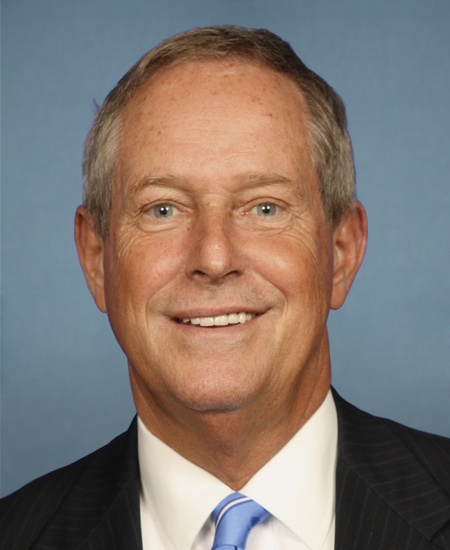
Rep. Joe Wilson
Sponsored bills
Maddy summaryThe Preserving Seniors’ Access to Physicians Act of 2023 increases the Medicare payment adjustment rate for physicians from 1.25% to 4.62%, directly affecting doctors who treat Medicare patients (primarily seniors). It also reduces the funding for the Medicaid improvement fund from $5,796,117,810 to $3,973,117,810. These changes impact Medicare providers and Medicaid programs, with the Medicare adjustment aimed at supporting physicians adjusting to payment changes. The bill does not specify how the Medicaid funding reduction relates to its stated goal of preserving seniors' access to physicians.
Maddy summaryThis bill allows the U.S. government to seize assets from Russian and Belarusian entities linked to Ukraine aggression without court trials, using expanded definitions of eligible property under existing sanctions. It targets assets belonging to sanctioned individuals, property involved in violating export controls (like military equipment transfers), or assets tied to Russia/Belarus's invasion of Ukraine. Seized assets would fund Ukraine's reconstruction, with the law set to expire three years after enactment. The process requires presidential emergency declarations and Attorney General certifications to ensure assets qualify under the defined criteria.
Maddy summaryThis bill establishes new disability classifications (medical improvement expected, likely, possible, or not expected) to help determine when individuals might be able to return to work. It requires periodic disability reviews (every 5 years for "medical improvement possible," every 10 years for "medical improvement not expected") and limits benefits for those with expected or likely improvement to 23 or 59 months, respectively. The bill creates a "Return to Work" process allowing eligible individuals to gradually return to employment while receiving adjusted benefits, with benefits reduced by 50% of earnings above substantial gainful activity levels. Additionally, it increases funding for disability reviews and creates a tax credit for employers hiring disability beneficiaries.
Maddy summaryHR 6417 amends the existing "Ending Importation of Russian Oil Act" to ban imports of energy products (classified under Harmonized Tariff Schedule chapter 27) produced at any refinery using crude oil originating in Russia. This directly affects U.S. importers and companies bringing in such refined petroleum products. The key provision prohibits these imports regardless of where the refinery is located, targeting oil that has been "laundered" through foreign processing. The bill updates the existing law by adding this origin-based import ban as a new section.
Maddy summaryThis bill directs the Architect of the Capitol to create a time capsule for the U.S. Semiquincentennial (250th anniversary of independence). Congressional leadership will determine its contents, including representative materials about the Semiquincentennial, copies of key legislative milestones, and a message to future Congress. The capsule will be sealed on the Capitol's West Lawn by July 4, 2026, and remain unopened until July 4, 2276, when it will be presented to the 244th Congress for their consideration. The bill is procedural and does not affect citizens or change existing laws.
Maddy summaryThe Maximum Pressure Act (HR 6114) is a legislative proposal that would maintain and expand U.S. sanctions against Iran. The bill would codify existing sanctions, require Iran to meet 12 specific conditions before sanctions could be lifted (including ending support for terrorism, releasing hostages, and ending nuclear enrichment), and expand sanctions on Iran's Revolutionary Guard Corps and missile programs. It also establishes new reporting requirements for the U.S. government to monitor Iran's activities and the impact of sanctions. The legislation would require congressional review before any sanctions could be lifted or modified, preventing the executive branch from unilaterally easing restrictions.
Maddy summaryHR 6020, the Honor Our Living Donors Act, amends federal law to ensure living organ donors are fully reimbursed for qualifying expenses without considering the recipient's income. It prohibits organ recipients from having their income factored into reimbursement calculations and requires the Secretary to annually report whether current funding covers all donor expenses, including estimates of unmet needs. This bill directly affects living organ donors and the federal reimbursement program under the Public Health Service Act.
Maddy summaryHR 5967, the Unemployment Integrity Act of 2023, requires unemployment claimants to participate in job-seeking activities to maintain benefits. Specifically, it mandates that claimants respond to work-related requests, attend reemployment interviews, and comply with reasonable requests like drug testing or skills assessments. The bill also requires states to conduct a study on increasing random audits of unemployment claims and mandates that states adopt these new requirements to receive federal funds for extended unemployment benefits. These changes apply to weeks beginning one year after the bill's enactment, with adjustments for states holding biennial legislative sessions. The law directly affects individuals claiming unemployment benefits by linking eligibility to active job-seeking participation.
Maddy summaryThis bill requires health insurance plans (both private and Medicare) to cover routine patient costs for children with rare pediatric diseases participating in approved clinical trials, even when care is provided by non-network providers. Specifically, it mandates that insurers apply the same copay or coinsurance rate for non-participating providers as they would for in-network providers during clinical trial participation. The law expands the definition of "routine costs" to include consultation and referral services related to these trials and updates Medicare coverage rules to align with this requirement. These changes apply to plans beginning January 1, 2024, directly affecting families of children with rare pediatric cancers enrolled in qualifying clinical trials.