

Maddy summaryThis bill (HJRES 163) is a congressional disapproval resolution targeting an Environmental Protection Agency (EPA) rule finalized on May 9, 2024. The EPA rule established new emissions standards for greenhouse gases from fossil fuel power plants (both new and existing) and repealed a previous rule called the Affordable Clean Energy Rule. The resolution would block this EPA rule from taking effect by invoking the Congressional Review Act (Chapter 8 of Title 5, U.S. Code). If passed, it would prevent the EPA rule from being enforced, directly affecting fossil fuel power plant operators and the EPA’s regulatory authority over emissions.
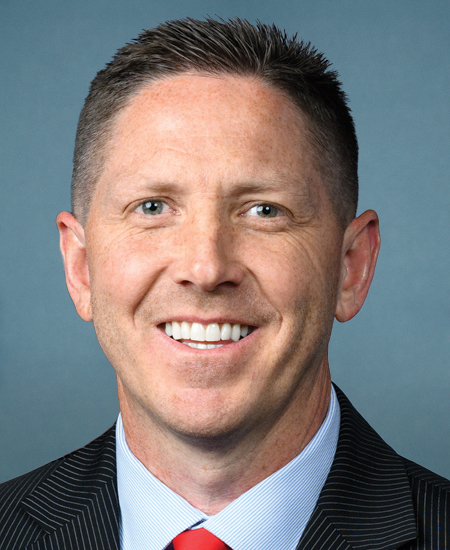
Rep. Josh Brecheen
Sponsored bills
Maddy summaryHR 9657, the Detain and Deport Gang Members Act of 2024, would make it easier to detain and deport immigrants who are members of or associated with gangs that meet a new definition of "criminal gang." The bill defines a criminal gang as a group of five or more people whose primary purpose is committing serious crimes including drug trafficking, violent offenses, human trafficking, or immigration crimes. Under this bill, such immigrants would be considered inadmissible (unable to enter the U.S.), subject to mandatory detention, and deportable. The bill also creates a process for the Secretary of Homeland Security to designate groups as criminal gangs, with review procedures, and amends asylum and other immigration benefits to exclude those associated with such gangs.
Maddy summaryHR 1425, the "No WHO Pandemic Preparedness Treaty Without Senate Approval Act," requires the U.S. Senate to approve any World Health Organization (WHO) pandemic preparedness treaty through a two-thirds vote. The bill deems any convention, agreement, or international instrument on pandemic prevention drafted by the WHO’s International Negotiating Body (INB) as a treaty subject to Senate ratification, rather than allowing it to take effect as an executive agreement. This directly affects U.S. foreign policy implementation regarding WHO agreements, ensuring Congress has a formal role in approving such binding international commitments. The bill stems from congressional concerns about WHO’s pandemic response and public skepticism toward the organization, as outlined in its findings.
Maddy summaryThis resolution (HRES 1450) reaffirms the constitutional rule that revenue and spending bills must originate in the House of Representatives, as specified in Article I, Section 7 of the Constitution. It states the House’s priority over the Senate in budget decisions, reiterates the House’s authority to set spending suballocations, and emphasizes prioritizing fiscal responsibility in the 2025 budget process. As a procedural resolution, it does not change existing law or create new policies but formally declares the House’s position on budget process authority. It directly affects how the House and Senate coordinate on tax and spending legislation under established constitutional and statutory frameworks.
Maddy summaryThis bill blocks U.S. Department of Homeland Security (DHS) funding to colleges and universities that maintain relationships with Confucius Institutes or "Chinese entities of concern" (defined as institutions linked to China's military or defense sectors). It requires affected schools to terminate such relationships within 12 months of the bill's enactment to regain eligibility for DHS funds. The law directly impacts higher education institutions receiving DHS funding, not all schools or federal programs. Key provisions mandate DHS to deny funding to institutions with ongoing ties to these entities, with eligibility restored only after relationship termination.
Maddy summaryHR 9534, the National Constitutional Carry Act, would prohibit states and localities from banning or restricting the public carrying of legally owned firearms by eligible U.S. citizens. It directly affects all gun owners who meet federal and state possession requirements, removing the need for permits or licenses to carry in public spaces. Key provisions state that any state law restricting public carry - such as requiring permits or imposing financial barriers - would be invalidated, with exceptions for privately-owned businesses that clearly prohibit firearms or locations with security screening. The bill bases this on Supreme Court rulings affirming the constitutional right to carry firearms for self-defense outside the home.
Maddy summaryHR 8282, the "Illegitimate Court Counteraction Act," imposes U.S. sanctions on foreign individuals or entities supporting the International Criminal Court (ICC) in investigating or prosecuting "protected persons." Protected persons include U.S. military personnel, officials, and allied personnel (from non-ICC member countries) who are not under ICC jurisdiction. The bill requires the President to block assets and deny visas to targeted foreign persons and their immediate family members within 60 days of the ICC attempting such actions. It mandates congressional notification of sanctions and allows termination if the ICC ceases all such efforts against protected persons. The law focuses on restricting U.S. economic and travel access to ICC supporters targeting specific U.S. and allied personnel.
Maddy summaryHR 9527, the *Protecting Our Land from Federal Overreach Act of 2024*, prohibits the federal government from using eminent domain or federal funds to acquire land for interstate electric transmission lines. It amends the Federal Power Act to block federal agencies from forcing land sales for such projects and requires states to approve permits before transmission facilities can be built or modified within their borders. Specifically, the bill eliminates federal authority to exercise eminent domain for these facilities and mandates that the Federal Energy Regulatory Commission (FERC) cannot issue permits if a state objects. This directly affects landowners whose property might be targeted for transmission projects, states with siting authority, and federal energy agencies managing infrastructure.
Maddy summaryHR 9504 would require states to include a statement on ballots for federal elections showing the total gross federal debt for the three most recent fiscal years, as calculated by the Treasury Secretary. This applies to all federal elections held on or after the bill's enactment date. The bill amends the Help America Vote Act of 2002 to add this requirement to ballot design, directly affecting voters in all federal contests. It does not change voting procedures or eligibility, only adding specific debt information to the ballot.
Maddy summaryThis bill requires U.S. agencies to prevent taxpayer funds from indirectly supporting the Taliban in Afghanistan. It mandates that State Department and USAID implement new reporting rules for aid recipients, requiring them to track and report all payments (including taxes, fees, and duties) made to the Taliban or Afghan government entities. Agencies must create these rules within 180 days and amend existing contracts to ban such payments. Recipients must submit detailed reports to Congress every six months, identifying who paid, to whom, and the amount.