

Maddy summaryHR 7429, "Miranda’s Law," creates a national system requiring automatic notifications to employers when school bus drivers (or other commercial drivers with school bus endorsements) face license issues like moving violations, suspensions, or accidents. It directly affects school districts, schools, and private transportation companies that provide student transportation, mandating their participation in the notification service. The law replaces annual employer checks of driver records by requiring states to implement the service within two years, while also ensuring drivers receive simultaneous copies of these notifications. This system aims to improve safety by ensuring employers are promptly informed of driver license changes affecting school bus operations.
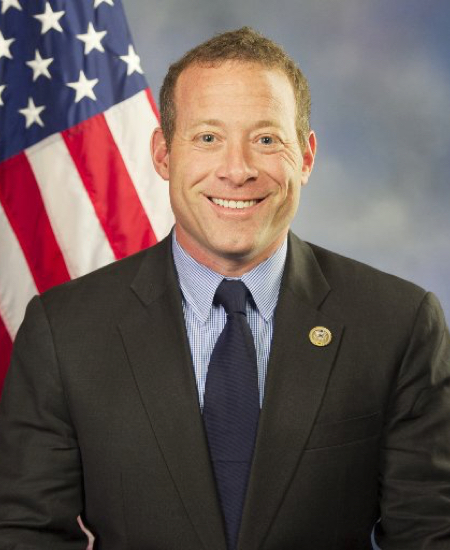
Rep. Josh Gottheimer
Sponsored bills
Maddy summaryThe PART Act requires new vehicles to have catalytic converters marked with a unique identification number that links directly to the vehicle's identification number, stored in a law enforcement-accessible database. It establishes a $7 million grant program to help repair shops, dealers, law enforcement, and fleet owners purchase equipment for marking converters with visible, durable identifiers (using die or pin stamping and high-visibility paint). The bill also mandates that businesses buying catalytic converters keep detailed seller records (including vehicle information) for two years and use traceable payments, banning cash or cryptocurrency transactions. Additionally, it creates new federal criminal penalties for stealing or trafficking in catalytic converters, with potential sentences of up to five years in prison.
Safe Vehicle Access for Survivors Act This bill requires providers of connected vehicle services, upon the request of a domestic violence survivor, to terminate or disable an identified domestic abuser’s access to a vehicle’s connected capabilities and data. Specifically, within two business days of receiving a request from a survivor, a covered provider must, if technically feasible (1) terminate or disable the connected vehicle account associated with the identified abuser or the relevant vehicle, or the vehicle’s connected capabilities; or (2) instruct the survivor on how to terminate or disable connected services directly. Covered providers may not make the termination of connected vehicle services or accounts contingent on any requirement other than the provision of specified information by the survivor. For example, a provider may not require a survivor to pay a fee or extend their contract with the provider. Under the bill, an abuser is an individual identified by a survivor who committed or allegedly committed certain acts against the survivor, including domestic violence, sexual assault, stalking, and sex trafficking. A survivor is an adult against whom such an act was committed. Further, a covered provider is a vehicle manufacturer, affiliate, or entity acting on behalf of a manufacturer that provides a connected vehicle service. Connected vehicle service is any capability that enables a person to remotely access data from or send commands to a vehicle. Finally, the Federal Communications Commission must prescribe regulations governing how covered providers address survivors’ requests related to connected vehicles.
Maddy summaryHRES 1047 designates January 2026 as "National Mentoring Month" to highlight the importance of mentoring relationships for youth development. The resolution does not create new laws or allocate funding but encourages public awareness and support for existing mentoring programs that help young people build skills, confidence, and educational opportunities. It emphasizes mentoring's role in improving academic performance, career readiness, and mental health outcomes without imposing any new obligations on individuals or organizations.
Maddy summaryHR 7417 reauthorizes and expands the WISEWOMAN program to include heart health screenings and education for low-income women. The bill directs the CDC to award grants for blood pressure and cholesterol screenings, health education, and referrals for heart disease prevention, building on existing breast and cervical cancer services. It specifically targets low-income women who are already served by the WISEWOMAN program or meet new eligibility criteria set by the Secretary. The expansion is funded with $250 million over five fiscal years (2027-2031), with services to be provided by current WISEWOMAN grantees or approved alternative providers.
Maddy summaryThe Mammography Access for Veterans Act of 2025 expands the Department of Veterans Affairs' telescreening mammography program by removing the "pilot" designation and extending its timeline until May 1, 2027. This legislation requires the VA to offer at least one mammography option - such as telescreening, full-service screening, or mobile units - in every state and Puerto Rico within two years of enactment. The bill also mandates that these services remain accessible to veterans with paralysis, spinal cord injuries, or other disabilities. Additionally, it allows the VA to continue expanding these services to facilities outside the current pilot group or in states where breast imaging is not yet available.
Maddy summaryHR 7371 (No Flight, No Fight Act of 2026) bans air carriers from transporting adult roosters as cargo, except for shipments originating from or destined to qualifying commercial farms. The bill requires shippers to provide USDA-certified documentation proving the farm meets the $350,000 annual gross income threshold for commercial operations. It defines "adult rooster" as a male chicken over 6 months old and specifies that exemptions apply only to legitimate agricultural purposes, not to prevent illegal activities like cockfighting. The Department of Transportation will enforce this rule, with violations subject to civil penalties, effective 180 days after enactment.
Maddy summaryHRES 1035 is a non-binding House resolution condemning recent and proposed workforce reductions at FEMA, which the resolution states endanger the agency's ability to prepare for, respond to, and recover from disasters. It specifically cites a 35% staffing shortage at FEMA (per GAO) and notes that over 2,000 permanent staff left FEMA in 2025, weakening disaster response during events like Hurricanes Helene and California wildfires. The resolution expresses concern that staffing cuts would delay aid, reduce assistance to vulnerable communities (including rural, coastal, and wildfire-prone areas), and undermine counterterrorism programs supporting first responders. It calls for a stable, adequately resourced FEMA workforce to ensure effective disaster management, without proposing new legislation or policy changes.
Maddy summaryHR 7367, the TANF Hygiene Access Act, creates a 5-year federal demonstration program to help low-income households access essential hygiene products. The bill authorizes $25 million in the first year (increasing to $32.5 million by year 5) for competitive grants to states, tribes, or tribal organizations. These entities can use funds to distribute specific hygiene items - like soap, diapers, feminine products, and baby wipes - to low-income households, with no more than 15% of funds allowed for administrative costs. Grantees must report on metrics like geographic reach, families served, and distribution frequency, and the program requires a final report to Congress assessing whether a larger-scale program would be feasible.
Maddy summaryThe PASTEUR Act of 2026 creates a new government contracting program to incentivize development of new antimicrobial drugs for treating drug-resistant infections. The Health and Human Services Secretary would award contracts to pharmaceutical sponsors meeting specific criteria on clinical benefits, innovation, and public health impact, with annual payments ranging from $75 million to $300 million (adjusted for inflation). Contract requirements include ensuring drug availability, tracking resistance data, promoting appropriate use, and maintaining supply chains. The bill also establishes antimicrobial stewardship programs for hospitals and outpatient facilities and improves surveillance of antimicrobial use and resistance. This legislation aims to address antibiotic resistance by creating financial incentives for new treatments and improving how antimicrobials are used and monitored.