

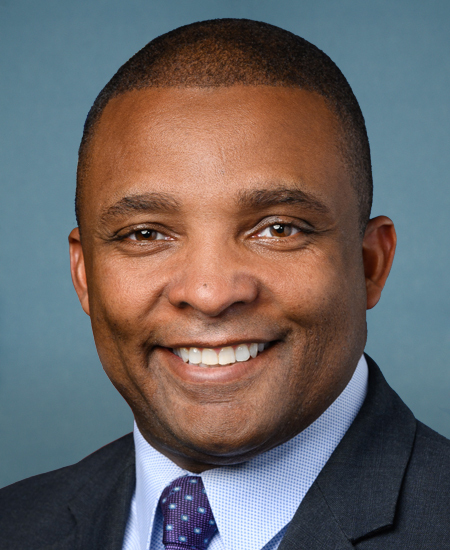
Photo of Donald G. Davis
D United States House · District 1 · North Carolina On the 2026 ballot

Rep. Donald G. Davis

Compare
Total votes
1,879
all sessions
Attendance
97%
53 missed
Near the chamber average
With party
82%
of cast votes
Among the lowest in the chamber
Bipartisan score
9%
crosses aisle rarely
Higher than 98% of chamber peers
Sponsored
1,618
bills & resolutions
Higher than 96% of chamber peers
Committees
7
assignments
1,618 bills and resolutions

Sponsored bills

Total
1,618
Primary
56
Co-sponsor
1,562
This page
1,618
matching current filters
Co-sponsor HR 2662
In committee · Indiana House · Co-sponsor
Collegiate Housing and Infrastructure Act of 2023

Maddy summaryThis bill amends tax law to allow charitable organizations to fund collegiate housing projects without losing their tax-exempt status. Specifically, it permits 501(c)(3) charities to make grants for building, improving, or maintaining housing properties where full-time students live, as long as the housing is connected to a college or university. Grants cannot fund fitness facilities, and the bill clarifies that housing must primarily serve students (not incidental social activities). It directly affects charitable organizations and universities seeking tax-qualified funding for student housing infrastructure.

In committee Apr 17, 2023 1 co-sponsor
Co-sponsor HR 2480
In committee · Indiana House · Co-sponsor
Optimizing Postpartum Outcomes Act of 2023

Maddy summaryThe Optimizing Postpartum Outcomes Act of 2023 requires the Health and Human Services Secretary to issue guidance within one year on covering pelvic health services (like pelvic floor exams and physical therapy) during the postpartum period under Medicaid and CHIP programs. This guidance will include best practices for payment models, financing options, and standardized terminology to improve access for postpartum women. It also mandates a GAO study on coverage gaps for postpartum services and funds a new CDC-led education campaign to train healthcare providers and inform postpartum women about pelvic health care. The bill directly affects postpartum women enrolled in Medicaid or CHIP, aiming to standardize and expand access to these specific health services.

In committee Apr 14, 2023 1 co-sponsor
Co-sponsor HR 2447
In committee · Indiana House · Co-sponsor
Panama Canal Zone Veterans Act of 2023

Maddy summaryThe Panama Canal Zone Veterans Act of 2023 creates a presumption that veterans who served in the Panama Canal Zone between 1958 and 1999 (or until the last military member left) and developed specific illnesses are automatically eligible for VA benefits without needing to prove a direct link between their service and the condition. It lists 16 illnesses, including prostate cancer, lung cancer, diabetes, Parkinson's disease, and several other cancers, as qualifying for this presumption due to presumed exposure to herbicides like Agent Orange during service. The VA will use regulations based on medical evidence to determine which illnesses qualify under this provision. This change directly affects veterans who served in the Panama Canal Zone during the covered period and later developed one of the listed conditions.

In committee Apr 14, 2023 1 co-sponsor
Co-sponsor HR 2584
In committee · Indiana House · Co-sponsor
SAVE Act

Maddy summaryHR 2584, the SAVE Act, creates a new federal criminal offense for assaulting or intimidating hospital employees while they're performing their duties, punishable by up to 10 years in prison, with enhanced penalties for using weapons, causing injury, or during public emergencies. The bill authorizes $25 million annually in federal grants to hospitals for violence prevention programs, including staff training, security technologies like panic buttons and video surveillance, and coordination with law enforcement. It defines "hospital" broadly to include various medical facilities such as long-term care hospitals, rehabilitation facilities, and critical access hospitals. The legislation directly affects hospital workers and medical facilities by establishing federal criminal penalties for violence against employees and providing funding to improve workplace safety. The law aims to address the rising problem of workplace violence against healthcare workers, which the bill states has increased since 2011.

In committee Apr 13, 2023 1 co-sponsor
Co-sponsor HR 2630
In committee · Indiana House · Co-sponsor
Safe Step Act

Maddy summaryHR 2630, the Safe Step Act, requires group health plans and health insurance issuers to establish a clear, transparent process for patients or their doctors to request exceptions to medication step therapy protocols. These protocols typically force patients to try cheaper drugs first before covering more expensive alternatives. The bill mandates that plans must approve exceptions when prior treatments failed, delay would cause serious harm, a treatment is unsafe, or a patient is stable on a previously approved drug, with strict 72-hour (or 24-hour in emergencies) decision timelines. It also requires plans to publish the exception process online and limit documentation requests to only necessary medical information. This law directly affects health insurers, employers offering health plans, and patients using step therapy for prescription drugs.

In committee Apr 13, 2023 1 co-sponsor
Co-sponsor HR 2412
In committee · Indiana House · Co-sponsor
Helping Kids Cope Act

Helping Kids Cope Act This bill establishes programs within the Health Resources and Services Administration (HRSA) to support pediatric behavioral health care. Specifically, HRSA must award grants, contracts, or cooperative agreements to eligible health care providers for (1) integrating and coordinating pediatric behavioral health care within communities, and (2) pediatric mental health and substance use disorder workforce training. Additionally, HRSA must award grants, contracts, or cooperative agreements to hospitals or rural health clinics that predominately treat individuals under age 21 for expanding their capacity to provide pediatric behavioral health services. Recipients may use awards for constructing or modernizing sites of care and enhancing digital infrastructure, telehealth capabilities, or other improvements to patient care infrastructure.

In committee Apr 7, 2023 1 co-sponsor
Co-sponsor HR 2393
In committee · Indiana House · Co-sponsor
Combating Cartels on Social Media Act of 2023

Maddy summaryThis bill requires the Department of Homeland Security (DHS) to assess how transnational criminal organizations use social media platforms and related services to recruit individuals in the U.S., particularly near borders, for illicit activities like drug trafficking and human smuggling. DHS must submit a national strategy within one year to improve coordination between federal agencies, state/local law enforcement, and major social media platforms (defined as "covered operators") to counter this recruitment. The strategy mandates a voluntary reporting system for platforms to share information about cartel activity, with DHS designating a point of contact in U.S. Customs and Border Protection to disseminate intelligence for prevention and law enforcement. It directly affects social media companies, border communities, and federal agencies involved in counter-narcotics and border security efforts.

In committee Apr 7, 2023 1 co-sponsor
Co-sponsor HR 2389
In committee · Indiana House · Co-sponsor
Resident Physician Shortage Reduction Act of 2023

Resident Physician Shortage Reduction Act of 2023 This bill increases the number of residency positions eligible for graduate medical education payments under Medicare for qualifying hospitals, including hospitals in rural areas and health professional shortage areas. Current law provides for an increase of up to 200 positions per fiscal year beginning in FY2023, with a total increase of 1,000 positions; each hospital may receive up to 25 additional positions. Current law also provides for an additional increase of up to 200 positions for FY2026, with at least 100 of these positions for psychiatry or related specialties; each hospital may receive up to 10 additional positions. The bill provides for an additional increase of 2,000 positions per fiscal year from FY2025-FY2031; during this period, each hospital may receive up to 75 additional positions in total under the bill and current law. Additionally, one-third of the positions that are made available under the bill must be allocated to hospitals that are already operating above applicable resident limits. The bill also requires the Government Accountability Office to report on strategies to increase the diversity of the health professional workforce, including with respect to representation from rural, low-income, and minority communities.

In committee Apr 7, 2023 1 co-sponsor
Co-sponsor HR 1839
In committee · Indiana House · Co-sponsor
Combating Illicit Xylazine Act

Maddy summaryHR 1839, the Combating Illicit Xylazine Act, makes the illicit use and distribution of xylazine a federal crime by adding it to the Controlled Substances Act. The bill broadly defines xylazine to cover numerous chemical variants and prohibits human use or non-licit distribution, while preserving legitimate veterinary and pharmaceutical uses. It requires tracking xylazine in drug supply chains and mandates two reports to Congress within 1 and 4 years on its prevalence, sources, and whether it should be rescheduled. The bill directly affects individuals distributing or using xylazine illicitly, including as an additive to drugs like fentanyl, and aims to address its public health risks. Congress declared illicit xylazine an "emerging drug threat" under existing law.

In committee Apr 7, 2023 1 co-sponsor
Co-sponsor HR 1826
In committee · Indiana House · Co-sponsor
PSA Screening for HIM Act

Maddy summaryHR 1826 (PSA Screening for HIM Act) requires health insurance plans and issuers to cover prostate cancer screenings without out-of-pocket costs for men aged 40 and over who are at high risk of prostate cancer. This directly affects African-American men and men with a family history of prostate cancer (defined as having a first-degree relative diagnosed with or who died from prostate cancer). The bill mandates coverage for evidence-based screenings under the same requirements as other preventive services, effective for plan years starting January 1, 2024. It aims to address disparities in prostate cancer outcomes by removing financial barriers to early detection for high-risk groups.

In committee Apr 7, 2023 1 co-sponsor
Showing 1,511 to 1,520 of 1,618 bills