Providing Essential Temporary Shelter Assistance For Emergencies Act of 2023 or the PETSAFE Act of 2023 This bill directs the Federal Emergency Management Agency (FEMA) to establish a pilot program to provide grants for mobile pet shelters during emergencies and major disasters. FEMA may provide funds to state, local, and tribal governments to establish a new pet shelter site that is a mobile unit, which may be a companion animal mobile equipment trailer, to be used in case of evacuation due to emergencies and major disasters. FEMA's authority to approve projects under this bill shall cease on January 1, 2029.
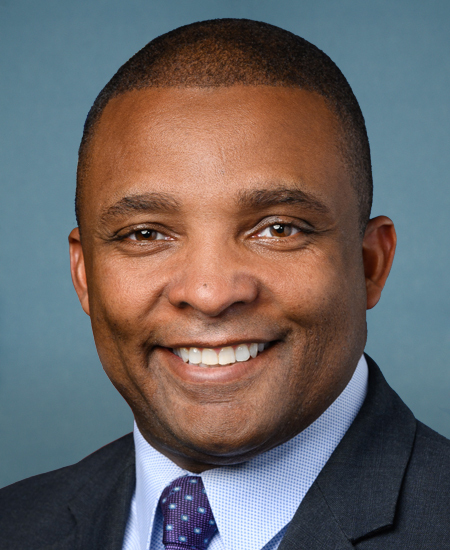
Rep. Donald G. Davis
Sponsored bills
Maddy summaryThe Child Online Safety Modernization Act of 2023 updates federal law to replace "child pornography" with "child sexual abuse material" across numerous statutes and legal definitions. It modernizes the CyberTipline reporting system to better identify and locate minors involved in cases of child sexual abuse material. The bill makes technical amendments to ensure consistent terminology in legal proceedings related to online child exploitation. These changes aim to improve law enforcement effectiveness in addressing online child sexual exploitation while maintaining legal clarity.
Maddy summaryHR 5147, the Investing in VETS Act, increases the federal government's goal for contracting with service-disabled veteran-owned small businesses from 3% to 5% of total federal contract dollars. It directly affects federal agencies, which must now aim for this higher 5% target, and service-disabled veteran-owned businesses that seek to qualify for these contracts. The bill adds a key provision requiring only businesses officially certified under Section 36 (not self-certified claims) to count toward the 5% goal and agency-specific targets. This change ensures the goal applies only to businesses with verified certification, improving accountability in the program.
Maddy summaryHR 5155 creates a new temporary visitor visa category specifically for family visits to the U.S. It directly affects U.S. citizens and lawful permanent residents wanting to host relatives for short stays, and their eligible relatives (including parents, children, siblings, and extended family). The bill requires visitors to have a financial sponsor, short-term medical insurance covering U.S. expenses, and proof of intent to leave within 90 days per year - reducing the previous 180-day limit. It explicitly states this visa does not count as immigrant status, and applicants who previously overstayed a similar visa face additional restrictions unless extraordinary circumstances apply.
Maddy summaryThis bill provides grants to behavioral health providers (like psychiatrists, community mental health centers, and substance use treatment facilities) to adopt certified health information technology. Eligible providers can receive up to $2 million per grant for up to two years to purchase or upgrade software that meets federal certification standards, enabling electronic sharing of patient data with primary care doctors, hospitals, and emergency departments. The grants require providers to demonstrate improved care coordination for mental health and substance use disorders, including bidirectional data exchange and use of standardized quality metrics. The program requires annual reporting to Congress on outcomes like data-sharing rates and impacts on care access, with $20 million authorized annually for fiscal years 2025-2029.
Maddy summaryThis bill reauthorizes the National Dam Safety Program through 2028 by updating the expiration date in existing law from 2023 to 2028 across all program provisions. It extends the federal program that funds dam safety inspections, risk assessments, and emergency planning efforts. The program directly affects dam owners (including state agencies and private operators) and communities living near dams by maintaining current safety oversight standards. No new requirements or funding levels are added; it simply continues the existing program structure.
Maddy summaryHR 5071, the Space Force Legacy Guardian Recognition Act, creates a process for the Air Force Secretary to designate former Air Force members who supported space operations as "Legacy Guardians" in the Space Force. It applies to individuals who served in space-related roles and separated from the Air Force, allowing them to receive a certificate or insignia acknowledging their service. The bill establishes eligibility criteria (including service dates and constructive credit) and an application process for the individual or their survivor. This recognition is purely honorary and does not grant any additional benefits beyond those specified in the bill.
Maddy summary# Summary of the "Protecting Our Democracy Act" This comprehensive legislation aims to strengthen democratic processes, increase government transparency, and prevent foreign interference in elections. Key provisions include: ## Ethics and Transparency - **Ethics Pledge**: Requires all appointees to sign an ethics pledge committing to: - Ban on gifts from registered lobbyists - 2-year revolving door ban (prohibiting participation in matters related to former employers) - Golden parachute ban (no special payments from former employers) - Commitment to decision-making based on public interest - **Tax Transparency**: Requires presidential and vice presidential candidates to disclose 10 years of tax returns, with sitting presidents submitting returns within 30 days of enactment ## Campaign Finance and Foreign Interference - **Foreign Contact Reporting**: Requires political committees to report any contact with "covered foreign nationals" within 1 week - **Enhanced Penalties**: Criminal penalties of up to $1 million and 5 years in prison for violations - **Online Advertising Rules** ("Honest Ads Act"): - Requires clear disclosure of who paid for political ads online - Mandates machine-readable public databases of political ads - Requires visible sponsor identification that remains when ads are shared - Defines "qualified political advertisements" to include various online formats ## Preventing Patronage Systems - Limits exceptions to competitive service for federal positions - Restricts transferring positions between competitive and excepted service - Requires employee consent for position transfers ## Use of Federal Property - Prohibits holding national political conventions on federal property - Requires publicly available visitor records at White House and other official locations (with privacy exceptions) The legislation establishes detailed definitions, reporting requirements, and enforcement mechanisms across multiple agencies, with the goal of increasing transparency, preventing foreign interference, and ensuring ethical conduct in government service.

Maddy summaryHR 5020 prohibits the U.S. Department of Health and Human Services (HHS) from funding or conducting animal testing research in China, Iran, North Korea, Russia, or other countries designated as "of concern" after consultation with the State and Defense Departments. It blocks federal grants, contracts, or support for such research conducted by foreign entities or facilities owned by these countries. HHS must submit detailed reports to Congress within 60 days when adding new countries to the list, explaining its reasoning.
Maddy summaryThis bill requires pharmaceutical manufacturers to include a unique physical or chemical marker on controlled substances sold in solid oral dosage form (like pills) starting five years after enactment. The marker must be machine-readable and help verify product authenticity throughout the supply chain to combat counterfeits. It directly affects manufacturers of prescription opioids, stimulants, and other controlled substances in pill form. The law updates existing drug authentication requirements under the Federal Food, Drug, and Cosmetic Act to include this new verification method.