

Maddy summaryThis bill, HR 7372, creates two main components: border control measures and defense appropriations. The border provisions authorize the temporary expulsion of certain inadmissible aliens arriving at the US-Mexico border for one year, with specific rules for where they can be sent and protections against expulsion to countries where they'd face persecution or torture. The defense section appropriates over $34 billion for military personnel, operations, and equipment to support Ukraine, Israel, and Taiwan, including specific funding for defense systems like Iron Dome. It includes reporting requirements for how these funds are used and sets a one-year expiration for all provisions.
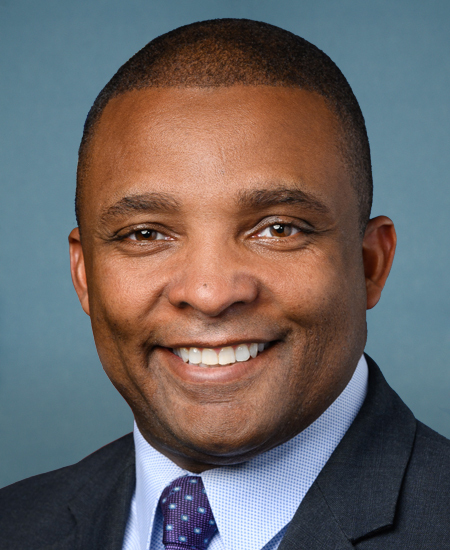
Rep. Donald G. Davis
Sponsored bills
Maddy summaryThis resolution (HRES 1012) is a symbolic statement by the U.S. House of Representatives condemning Azerbaijan's detention of Dr. Gubad Ibadoghlu, an imprisoned academic and economist. It specifically addresses Azerbaijan's alleged wrongful arrest, beatings in custody, denial of medical care and legal access, and poor prison conditions. The resolution calls for Dr. Ibadoghlu's immediate release and urges the U.S. Secretary of State to prioritize his case in diplomatic engagements with Azerbaijan. As a non-binding resolution, it expresses congressional concern but does not enact new laws or impose sanctions.
Maddy summaryHRES 966 is a symbolic resolution condemning alleged sexual violence committed by Hamas during its October 7, 2023, attack on Israel. It specifically references eyewitness accounts, forensic evidence, and Hamas fighters' admissions of ordering gang rape, sexual mutilation, and assault against Israeli civilians. The resolution calls for international condemnation of such acts as weapons of war, urges nations to criminalize sexual violence, and supports investigations into Hamas' actions. As a non-binding resolution, it does not create new laws or directly affect any individuals but formally expresses the House's position on the issue.
Maddy summaryHR 7338 establishes an Office of the Community Development Advocate within the Community Development Financial Institutions Fund to address concerns from community-focused financial institutions. The Advocate will handle complaints about certification processes, application delays, and administrative responsiveness, while ensuring clear decertification procedures with cure periods for institutions facing noncompliance. It mandates an annual report to Congress on the Fund’s responsiveness and process efficiency, and requires $1 million in funding for implementation. The bill directly affects community development financial institutions (CDFIs) and aims to streamline their access to programs by creating clearer, more transparent administrative processes.
Maddy summaryThe Community TEAMS Act of 2024 creates a new federal grant program to support medical student training in rural and medically underserved communities. It provides funding for 1-5 years to partnerships between medical schools and community health providers (such as rural clinics, Federally Qualified Health Centers, or facilities in underserved areas) to expand outpatient clinical rotations. The goal is to help train physicians who will practice long-term in high-need communities by increasing access to community-based training. Grant applicants must include detailed project plans, sustainability strategies, and evaluation methods in their proposals.
Maddy summaryHR 7248, the FDA Modernization Act 3.0, creates a new FDA process to qualify alternative nonclinical testing methods that can replace or reduce animal testing in drug development. Drug developers can request qualification for methods that improve safety/efficacy predictivity or shorten development time, with the FDA required to review requests within 180 days. If qualified, these methods allow expedited FDA review of drug applications and enable referencing the qualified method in submissions. The bill mandates annual reports tracking qualified methods, animal use reduction, and application approvals, with transparency requirements for Congress. This directly affects pharmaceutical companies and biotech firms developing new drugs.
Maddy summaryHR 7305, the IIR on AHI Act, requires the Secretary of Defense to submit a detailed report and briefing to Congress by March 1, 2025, about unexplained health incidents affecting military personnel and Department of Defense civilian employees. The report must include specific data on confirmed or suspected incidents (broken down by military job, location, and timeframe), the DoD’s current strategies for reporting and treating affected individuals, and coordination efforts with other federal agencies. This bill directly impacts members of the Armed Forces and DoD civilian employees by mandating transparency around these health incidents. It does not create new benefits or penalties but establishes a formal reporting requirement for Congress.
Maddy summaryHR 7291, the Broadband Industry Development Act, creates competitive grants under the Workforce Innovation and Opportunity Act to fund training programs preparing workers for careers in the broadband industry. Eligible entities - including community colleges, labor organizations, nonprofits, and industry groups - can apply for grants to offer pre-apprenticeship and apprenticeship programs. Grantees must provide 25% of the grant amount in non-Federal funds (cash or in-kind) and the bill specifies that no new federal funding is authorized - existing Department of Labor appropriations will cover these grants. The law directly affects workers seeking broadband industry jobs and the organizations delivering their training.
Maddy summaryThis bill restricts how credit reporting companies share homebuyers' credit reports during mortgage applications. It prevents companies from sending these reports to third parties (like marketers) just because a lender requested them for a mortgage. Only specific entities can receive the reports: the mortgage lender who originated the loan, the company servicing the loan, or the bank holding the homebuyer's account. This directly protects homebuyers' privacy by limiting unauthorized sharing of their financial data.
This resolution honors the life and legacy of Rosa Parks by nationally recognizing Transit Equity Day. The resolution also encourages the use of public transportation and the continued work to make public transit accessible for all.