

Maddy summaryThis bill delays federal oil and gas activities in the Gulf of Mexico until specific scientific reviews are completed. It requires the National Marine Fisheries Service to first issue a rule designating critical habitat for the endangered Rice’s whale (based on a National Academies study) and correct previous estimates of how oil/gas operations impact marine mammals. The bill also blocks the use of current agreements (the Stipulated Agreement and Notice to Lessees) for offshore leasing until these steps are finalized. It directly affects federal agencies (NMFS, Bureau of Ocean Energy Management), oil and gas operators, and environmental groups involved in Gulf of Mexico energy projects. The law mandates public access to scientific data, peer review by the National Academies, and quarterly stakeholder meetings during the review process.
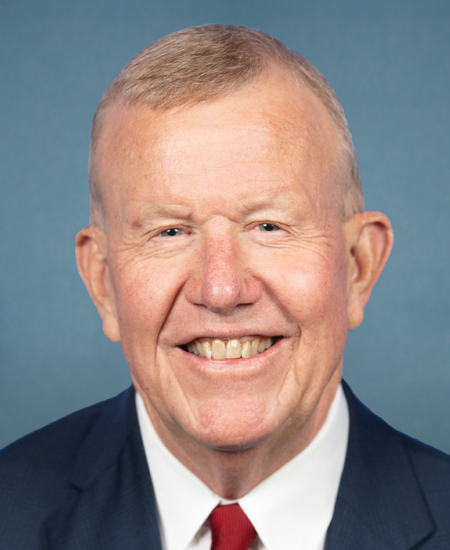
Rep. Mike Ezell
Sponsored bills
Maddy summaryHR 9928, the U.S. Park Police Modernization Act, adjusts salary structures for U.S. Park Police officers by updating pay scales and step progression timelines. It sets specific pay rates for each rank (from Private to Chief) relative to Executive Schedule level V, with Private positions capped at 95% of that rate and higher ranks at full Executive Schedule level V. The bill modifies step progression times (e.g., 52 weeks between steps for lower ranks) and clarifies that prior salary adjustments before January 3, 2021, are disregarded. This bill directly affects all U.S. Park Police officers by standardizing their compensation structure under the District of Columbia Police and Firemen’s Salary Act. It is a procedural salary adjustment, not a substantive policy change.
Maddy summaryThis bill amends the Clean Air Act to modify ethanol waiver processes and fuel volatility standards. It adds a new provision allowing fuel to enter commerce if it meets Reid Vapor Pressure requirements through similarity to certified vehicles or existing waivers, and adjusts vapor pressure limits from 10% to 10-15% in several sections. Small refineries that retired credits for 2016-2018 compliance years may now have those credits returned or applied to future years if their petitions remained pending as of December 1, 2022. The changes directly affect fuel retailers, ethanol producers, and small refineries by altering compliance pathways for fuel standards and credit management under the renewable fuel program.
Maddy summaryThe Cyber PIVOTT Act creates the PIVOTT Program to build a cybersecurity workforce by providing full scholarships to students at community colleges and technical schools pursuing cyber or cyber-relevant associate's degree programs. The program covers tuition, fees, certification costs, and internship expenses, requiring participants to complete a two-year service obligation in a cyber role after graduation, with exceptions for military service. It mandates skills-based exercises like hackathons and labs, internship placements with government entities and critical infrastructure organizations, and maintains a database mapping training to job roles. The bill sets enrollment goals of 250 students in the first year, doubling annually until reaching 1,000 students, with a long-term target of 10,000 students annually. The program aims to address cybersecurity workforce gaps by creating direct pathways from education to government cyber positions.
Maddy summaryHR 5729 blocks federal funding for creating a "Homeland Intelligence Experts Group" at the Department of Homeland Security (DHS) and prohibits funding for any equivalent group, program, or activities. It prevents the DHS Secretary from using allocated funds to establish such a group or similar efforts starting from the bill's enactment date. This directly affects DHS budget planning and spending authority for intelligence-related initiatives.
Maddy summaryHJRES 136 is a resolution seeking to block an Environmental Protection Agency (EPA) rule that would have set new emissions standards for light and medium-duty vehicles sold in 2027 and later model years. The EPA rule, published in April 2024, aimed to require vehicle manufacturers to meet stricter pollution limits for these vehicles. If passed, this resolution would cancel the rule, preventing the EPA from enforcing the new standards. It uses a congressional process that allows Congress to reject agency rules with a simple majority vote.
Maddy summaryThis bill restricts federal funding for jurisdictions that limit cooperation with federal immigration enforcement. It defines a "sanctuary jurisdiction" as any state or local government that prohibits sharing immigration status information or complying with federal detainer requests (except for crime victims/witnesses). Starting after enactment, such jurisdictions lose eligibility for federal funds intended to provide food, shelter, healthcare, legal services, or transportation to undocumented immigrants. The law directly affects cities and states with specific immigration policies, not the immigrants themselves.
Maddy summaryHR 9745, the Lifesaving Gear for Police Act of 2024, removes barriers for state and local law enforcement agencies to access existing federal equipment. It prohibits federal agencies from enforcing any regulations (since May 15, 2015) that limit the transfer of Department of Defense or other federal equipment to police departments, unless Congress passes those rules into law. The bill also requires agencies to return or replace equipment recalled since 2015 under those regulations, provided the agency requests it, meets existing eligibility rules, and the equipment is available. This directly affects police departments that previously had equipment seized or denied under the blocked regulations. The law focuses on restoring access to current equipment-sharing programs, not creating new funding or gear.
Maddy summaryHJRES 144 is a congressional disapproval resolution targeting a specific rule issued by the Bureau of Alcohol, Tobacco, Firearms, and Explosives (ATF) on April 19, 2024. The resolution seeks to block the ATF's rule that redefined the term "engaged in the business" for firearm dealers, which would have affected how federal licensing requirements apply to certain sellers. If enacted, this resolution would nullify the rule, preventing it from taking effect under procedures in Title 5 of the U.S. Code. The bill directly impacts firearm dealers operating under the current regulatory framework and the ATF's enforcement authority.
Maddy summaryHR 9699, the Pay Our Troops Act, ensures military personnel and key support staff continue receiving pay during government funding gaps in fiscal year 2025. It appropriates funds to cover pay and allowances for active-duty troops, Department of Defense civilians, and qualifying contractors supporting military operations, if regular appropriations aren't enacted. The funding remains in effect until the earliest of: a new appropriations law, a funding resolution without such funding, or January 1, 2026. This bill does not change pay rates or create new policies - it guarantees existing pay continuity during budget transitions.