

Maddy summaryThis bill (HJRES 163) is a congressional disapproval resolution targeting an Environmental Protection Agency (EPA) rule finalized on May 9, 2024. The EPA rule established new emissions standards for greenhouse gases from fossil fuel power plants (both new and existing) and repealed a previous rule called the Affordable Clean Energy Rule. The resolution would block this EPA rule from taking effect by invoking the Congressional Review Act (Chapter 8 of Title 5, U.S. Code). If passed, it would prevent the EPA rule from being enforced, directly affecting fossil fuel power plant operators and the EPA’s regulatory authority over emissions.
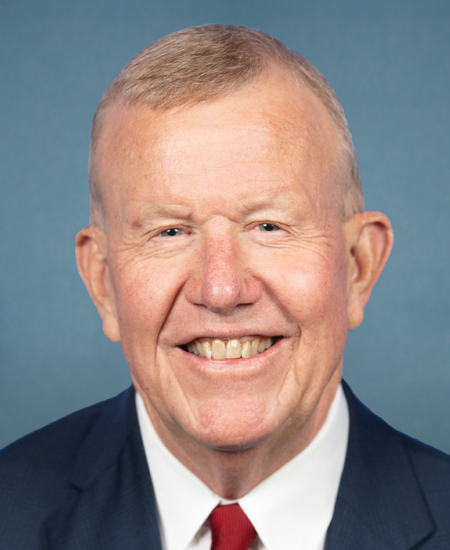
Rep. Mike Ezell
Sponsored bills
Maddy summaryH.J. Res. 117 is a joint resolution that would disapprove an Environmental Protection Agency (EPA) rule concerning the reconsideration of National Ambient Air Quality Standards for particulate matter. The EPA rule, published on March 6, 2024, was part of the agency’s process to review these standards, which set limits for harmful air pollutants. This resolution invokes a congressional disapproval procedure under federal law to block the rule from taking effect. If enacted, the rule would have no force or effect, preserving the existing air quality standards for particulate matter.
Maddy summaryThe EMAP Act establishes the Early Migration Alert Program (EMAP) within the Department of Homeland Security. It requires U.S. Customs and Border Protection and U.S. Immigration and Customs Enforcement to provide state, local, Tribal, and territorial governments with 24-hour pre-release notifications about aliens being released into the U.S., including details on numbers, criminal histories, initial destinations, and final settlement locations. Notifications must be sent via a verified electronic email system to authorized government personnel. The program is funded at $400,000 annually for fiscal years 2024-2025 and applies to aliens apprehended or released on or after the bill's enactment date. The bill does not alter detention requirements or immigration law, focusing solely on information sharing with local authorities.
Maddy summaryThis bill blocks U.S. Department of Homeland Security (DHS) funding to colleges and universities that maintain relationships with Confucius Institutes or "Chinese entities of concern" (defined as institutions linked to China's military or defense sectors). It requires affected schools to terminate such relationships within 12 months of the bill's enactment to regain eligibility for DHS funds. The law directly impacts higher education institutions receiving DHS funding, not all schools or federal programs. Key provisions mandate DHS to deny funding to institutions with ongoing ties to these entities, with eligibility restored only after relationship termination.
Maddy summaryThis symbolic resolution expresses congressional support for designating September 29, 2024, as "Veterans of Foreign Wars of the United States Day" to honor the organization's 125th anniversary. It requests the President issue a proclamation encouraging government agencies and the public to observe the day with ceremonies, though it creates no new laws or policy changes. The resolution recognizes the VFW's historical service to veterans but does not directly affect any individuals or programs.
Maddy summaryThis bill requires the Comptroller General to produce a report assessing the Homeland Security Information Network (HSIN), a system used by federal, state, local, tribal, and territorial law enforcement agencies to share information. The report must examine how HSIN is used across different platforms (desktops and mobile apps), compare it to other tools like FBI's JusticeConnect, and evaluate its costs, effectiveness, and how well it protects civil rights and privacy. The findings will be submitted to key congressional committees within one year of the bill's enactment. This is a procedural measure focused on reviewing an existing information-sharing system, not creating new laws or funding.
Maddy summaryThis bill creates federal financial assistance for landowners and businesses affected by pine beetle outbreaks on privately owned forests. It provides cost-sharing payments covering up to 85% of outbreak response measures (like tree thinning, debris removal, or insecticide treatment) for landowners, and up to 50% of eligible service costs for timber businesses (e.g., logging or tree care companies). To qualify, land must have had tree cover before the outbreak, be in a drought-designated disaster area, and have confirmed pine beetle infestations. The bill also authorizes emergency loans covering at least 75% of response costs for landowners, with repayment options using cost-share payments, and grants for state/local governments to aid outbreak response.
Maddy summaryHRES 1394 is a non-binding resolution celebrating the U.S.-India partnership based on shared democratic values, religious pluralism, and human rights, while highlighting the contributions of the Indian diaspora in the United States. It specifically recognizes the 50th anniversary of BAPS Swaminarayan Sanstha's community work, including its spiritual centers (mandirs) and volunteer efforts across the country. The resolution does not create legal obligations but formally acknowledges these ties and achievements.
Maddy summaryHCONRES 122 is a non-binding resolution expressing Congress's view that Operation Legend - a 2020 federal-local initiative - successfully reduced violent crime in major cities like Chicago, Kansas City, and Memphis. It recommends that future presidential administrations consider deploying federal law enforcement agents to partner with local agencies in high-crime areas, similar to Operation Legend’s 2020 approach. The resolution also proposes providing grant funding to states and cities to hire more officers (including bonuses), impose stricter sentences for repeat offenders, and use bail/pretrial detention to keep dangerous individuals from reentering communities. It does not create new law but urges future administrations to prioritize these strategies to address ongoing violent crime surges.
Maddy summaryHJRES 165 is a congressional resolution seeking to block a Department of Education rule issued in April 2024 that updated protections against sex discrimination in schools receiving federal funding. The resolution aims to disapprove this specific rule (published as 89 Fed. Reg. 33474), which would have required schools to address sex-based discrimination in educational programs. If passed, the rule would no longer be in effect, meaning schools would not need to comply with its requirements. This resolution directly affects all schools and educational programs receiving federal financial assistance, as it targets the implementation of the new nondiscrimination standard.