

Maddy summaryHR 3834, the Workforce Democracy and Fairness Act, amends the National Labor Relations Act to strengthen worker organizing rights. It requires a 14-day waiting period before union elections begin and mandates non-adversarial pre-election hearings to resolve issues affecting election fairness. The bill also establishes clear criteria for determining appropriate bargaining units based on shared interests like wages, skills, and work flow, preventing unnecessary fragmentation. Additionally, it clarifies that neutral workplace policies (like handbooks) are lawful unless proven to significantly harm workers' rights to organize, requiring clear evidence of adverse impact before violating labor law. This bill directly affects workers seeking union representation, employers with handbook policies, and the National Labor Relations Board in election and unit determinations.
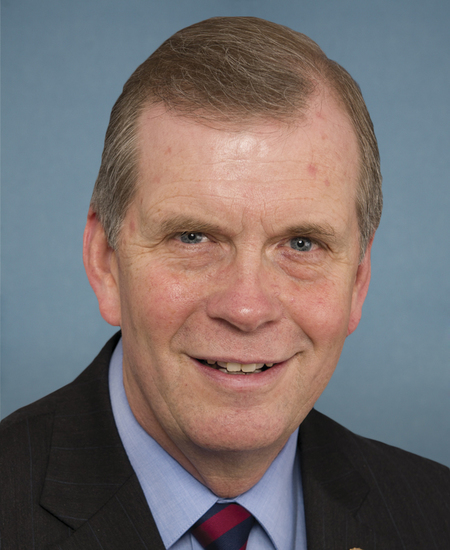
Rep. Tim Walberg
Sponsored bills
Maddy summaryThis bill increases the National Labor Relations Board (NLRB) from 5 to 6 members, requiring 3 members to represent each major political party. It establishes staggered terms starting January 1, 2028, with specific expiration dates for each pair of members to ensure ongoing party balance. The bill also requires NLRB decisions to have majority approval from members present and creates a 30-day window for parties to seek federal court review of General Counsel complaints if they believe insufficient evidence exists. These changes directly affect the NLRB’s operations, labor dispute resolution, and the process for challenging unfair labor practice allegations.
Maddy summaryHR 3792 extends U.S. security funding for Israel through 2028 (Section 3) and expands energy cooperation to include advanced nuclear technologies and carbon capture (Section 5). It requires annual reports on regional security partnerships involving Israel (Section 6) and ensures countries in the Abraham Accords can access U.S. development programs (Section 8). The bill also mandates reports on diplomatic efforts against ICC investigations targeting the U.S. and Israel (Section 10) and encourages people-to-people programs to strengthen the Abraham Accords (Sections 7, 9). These provisions directly affect Israel’s diplomatic engagement, security partnerships, and economic cooperation in the Middle East.
Maddy summaryThe HALT Fentanyl Act expands the definition of fentanyl-related substances in the Controlled Substances Act to include many structurally similar compounds, making it easier to regulate new fentanyl analogs without individual listing. It defines these substances based on specific chemical modifications to fentanyl, with limited exceptions for substances already controlled or listed elsewhere. The bill also streamlines research procedures for schedule I substances by creating expedited registration processes and allowing multiple studies under one registration, while requiring the Attorney General to publish a list of substances meeting the new definition.
Brownfields Broadband Deployment Act This bill excludes projects to deploy or modify communications facilities from specified environmental and historic preservation review requirements if they are carried out entirely within a brownfield site (real property, the expansion, redevelopment, or reuse of which may be complicated by the presence or potential presence of a hazardous substance, pollutant, or contaminant). In particular, it specifies such projects are not considered major federal actions under the National Environmental Policy Act of 1969 or undertakings under the National Historic Preservation Act. This excludes the projects from relevant reviews that are required under those acts.
National Law Enforcement Officers Remembrance, Support and Community Outreach Act This bill directs the Department of Justice (DOJ) to establish a National Law Enforcement Officers Remembrance, Support, and Community Outreach Program. The bill further directs DOJ to award a grant under the program to the National Law Enforcement Officers Memorial Fund for the expenses associated with community outreach, public education, and officer safety and wellness programs operated by the of the National Law Enforcement Officers Memorial Fund and National Law Enforcement Museum.
Maddy summaryHRES 363 is a resolution expressing support for recognizing National Police Week, an annual observance established by law to honor law enforcement officers who have died in the line of duty. The resolution acknowledges 556 officers killed in the line of duty during 2022 and calls for ensuring law enforcement officers have necessary equipment, training, and resources to protect both themselves and the public. It encourages the American public to observe National Police Week by honoring law enforcement personnel and recognizing their essential mission in serving communities across the United States. This resolution does not create new law but formally expresses congressional support for an existing observance.
Maddy summaryThe Farm Operations Support Act maintains the minimum wage rate for H-2A agricultural workers at the level established in each state on December 1, 2022, through December 31, 2023. This directly affects agricultural employers who hire temporary foreign workers under the H-2A visa program and the workers themselves, by preventing the standard annual adjustment to the wage rate. The bill provides one-year stability in labor costs for employers without altering the underlying wage requirements.
Maddy summaryHJRES 61 is a resolution seeking to block a Department of Labor rule published in March 2023. The rule would have removed legal requirements related to religious exemptions under the Equal Opportunity Clause in federal employment regulations. If passed, this resolution would prevent the rule from taking effect, maintaining the existing requirements for religious exemptions. It uses a specific congressional disapproval process under Title 5 of the U.S. Code to stop the rule without requiring presidential action.
Maddy summaryHRES 384 is a non-binding congressional resolution expressing support for designating May 2023 as Motorcycle Safety Awareness Month. It highlights that motorcycles are used by approximately 30 million Americans annually and emphasizes the importance of rider safety education, proper licensing, protective gear, and mutual awareness between motorcyclists and other road users. The resolution encourages all road users to share the road safely and recognizes motorcyclists' right to participate in transportation. It does not create new laws or regulations but aims to promote existing safety practices through public awareness. The resolution directly affects motorcyclists, drivers, and the broader public by encouraging safer road behavior during May 2023.